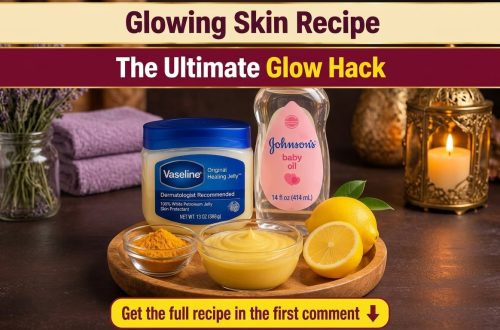
Everyone seems to be talking about the petroleum jelly and lemon hack for glowing skin. The idea is simple: mix a little lemon juice with petroleum jelly and apply it to the face or body, with the promise of brighter, smoother, more radiant skin. Before you try it, it helps to understand what the trend claims, what the ingredients actually do, and where the risks are.
What the Viral Hack Claims
Social media posts usually describe the mixture as a quick overnight treatment that can fade dark spots, even out skin tone, and leave a dewy glow by morning. Some versions suggest applying it to elbows, knees, or hands to soften rough patches. Most of the excitement comes from short videos that show dramatic before-and-after moments, although these clips rarely explain the full routine or how long the results last.

What Petroleum Jelly Does for Skin
Petroleum jelly is an occlusive moisturizer. It forms a protective layer on the skin that slows water loss, which helps keep the outer layer hydrated and comfortable. This is why it is often recommended for dry hands, cracked heels, and irritated patches after cleansing. It does not, however, repair sun damage, change pigmentation at a deep level, or remove dark spots on its own.
What Lemon Juice Does to Skin
Lemon juice is naturally acidic and contains vitamin C, which is why it appears in so many brightening recipes. In theory, mild acids can help loosen dead skin cells. In practice, lemon juice can also cause stinging, redness, dryness, and irritation, especially on sensitive or already damaged skin. Citrus oils can also make skin more sensitive to sunlight, which increases the chance of pigmentation after sun exposure.
Does the Combination Really Work?
Petroleum jelly can help lock in moisture, but it does not make lemon juice safer or more effective. The mixture may feel nourishing, yet there is little reliable clinical evidence showing that the pairing produces lasting glow or fades dark spots. Any visible brightness is most likely due to hydration, a smoother surface, and a good night of rest rather than a special chemical reaction.
Safety Tips Before You Try It
- Do a patch test on a small area of skin and wait at least 24 hours before using it more widely.
- Avoid using lemon juice on broken skin, cuts, active acne, or areas recently treated with exfoliants or retinoids.
- Do not apply the mixture before going into direct sunlight, and use a broad-spectrum sunscreen during the day.
- Stop immediately if you notice burning, persistent redness, swelling, or itching.
- Choose a gentler routine if you have eczema, rosacea, or very sensitive skin, and ask a dermatologist for advice.
Safer Ways to Get a Healthy Glow
If you want radiant skin, consistent basics usually work better than viral shortcuts. Gentle cleansing, daily sunscreen, adequate hydration, a moisturizer suited to your skin type, and regular sleep all support a healthy complexion. Petroleum jelly is still a useful product for sealing in moisture when applied on its own to dry areas.
Our Verdict
The petroleum jelly and lemon hack is more hype than proven solution. Petroleum jelly can help keep skin moisturized, but adding lemon juice introduces a real risk of irritation and sun sensitivity without strong evidence of lasting benefits. If you still want to experiment, keep the test small, protect your skin from the sun, and focus on gentle, proven habits for a natural glow. Have you tried this trend yourself? Share your experience in the comments and let us know what you noticed.