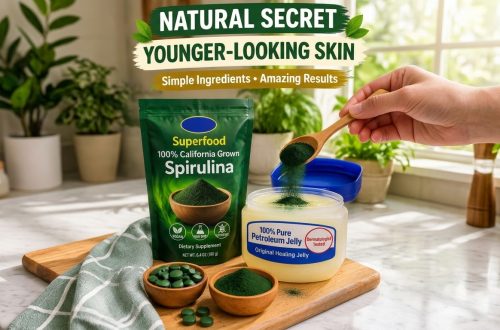
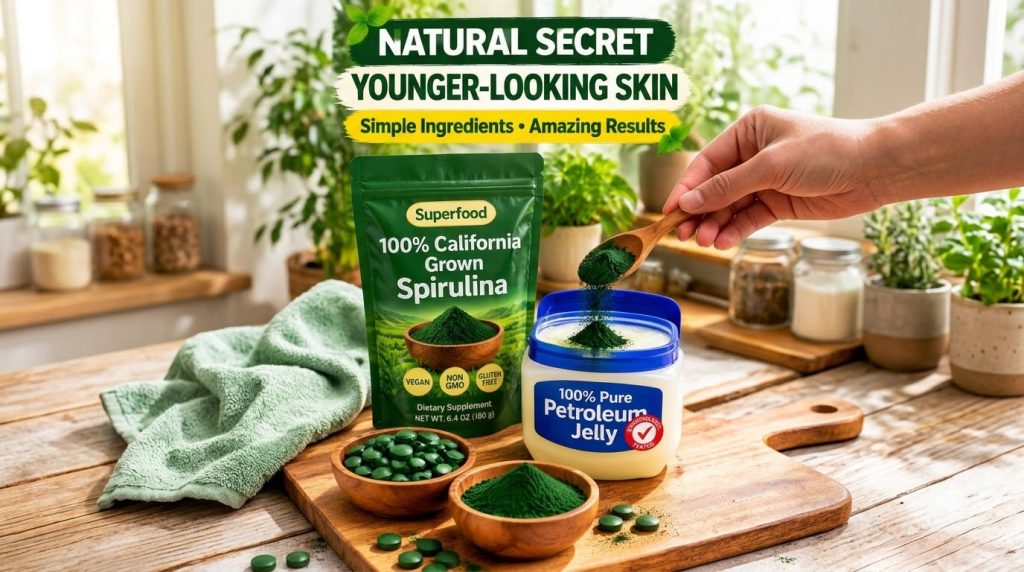
Social media is full of simple DIY skincare ideas, and one that keeps appearing is a mix of spirulina powder and petroleum jelly. The idea is presented as an easy beauty hack for a fresh, glowing look. Before you try any homemade skincare recipe, it helps to understand what each ingredient is, what it is not, and where the real risks lie.
What Is Spirulina?
Spirulina is a blue-green algae sold as a powder, tablet or capsule. It is commonly marketed as a superfood dietary supplement and is often included in smoothies, juices and wellness routines. Its nutritional profile is the main reason people use it, and it is designed to be taken by mouth, not applied to the skin.
What Is Petroleum Jelly?
Petroleum jelly is an occlusive ingredient. It forms a barrier on the surface of the skin that helps reduce moisture loss, which is why it is often used on dry patches or minor skin irritation. It does not add nutrients to the skin, and it does not change the skin’s structure.
Why Mixing Them Is Not Recommended
Combining a food-grade supplement with a topical product creates a mixture that has not been tested for skin use. Powders can contain fine particles that may irritate sensitive skin, and any mixture stored in an open jar can be exposed to bacteria and moisture. Since petroleum jelly holds ingredients against the skin, a reaction can become more noticeable over time.
Common Risks to Watch For
- Redness, itching, stinging or swelling after applying any homemade mixture.
- Irritation caused by fine powder particles pressed against the skin.
- Breakouts, especially if you have oily or acne-prone skin.
- Contamination from dipping fingers or spoons into a shared jar.
- Accidental ingestion of supplement powder if containers are left within reach of children or pets.
How to Test Any New Skincare Product Safely
If you still want to experiment, start with a patch test. Apply a very small amount of a single product to a discreet area, such as the inner forearm or behind the ear, and wait at least 24 to 48 hours. Avoid applying anything to broken skin, open wounds, or areas near the eyes unless a qualified professional has advised it.
Gentle Alternatives for Healthy-Looking Skin
Healthy skin is built on consistent habits rather than a single ingredient. A gentle cleanser, a fragrance-free moisturizer, daily sunscreen, adequate hydration and a balanced diet form a reliable foundation. If you have persistent dryness, irritation or concerns about your skin, speak with a dermatologist or qualified healthcare provider for personalized guidance.
Final Thoughts
The idea of a simple homemade skin boost is appealing, but a mix of supplement powder and petroleum jelly is not a proven or well-tested routine. Focus on safe, tested products, patch test anything new, and seek professional advice when you have questions about your skin. Share your own beauty tips in the comments, and keep your focus on safety first.