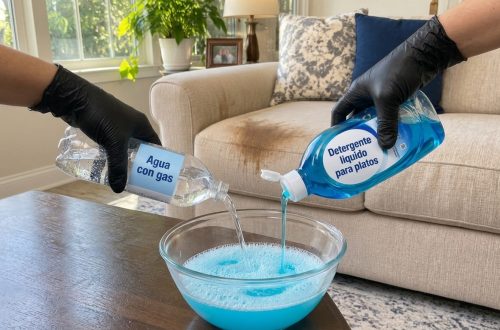
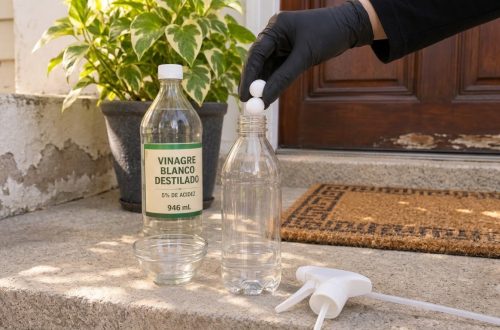
Tired of stubborn brown rings on your kitchen counters? A simple homemade paste can help lift many everyday stains and bring back that clean, fresh shine. It uses ingredients you probably already have in your pantry and under your sink, so it is easy on your budget too.
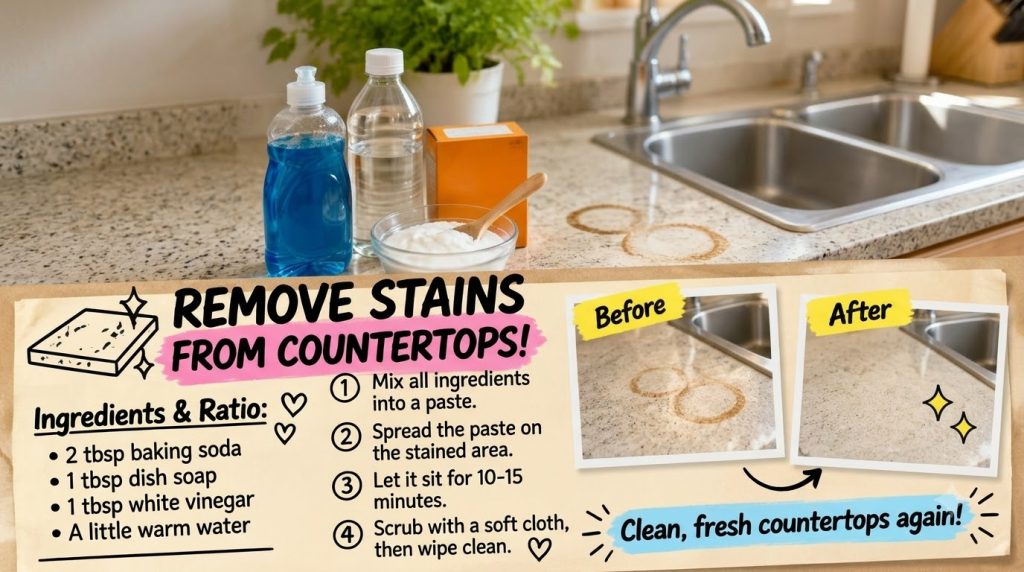
This guide is for busy home cooks, beginners, and anyone who wants a gentle, natural way to tackle counter stains without harsh chemicals. You will learn what the paste is made of, what tools you need, how to apply it step by step, and how to protect your countertop afterward.
Quick Summary
- Preparation Time: About 5 minutes
- Application Time: 10 to 15 minutes of dwell time, plus a few minutes of scrubbing
- Difficulty Level: Easy
- Best Uses: Light surface stains such as coffee, tea, and food rings on sealed counters
- Suitable Surfaces: Sealed granite and quartz (test first); avoid marble and limestone
- Storage Time: Make only what you need; the paste is best used fresh
Why You’ll Love This DIY Solution
- Made with common household items
- Budget-friendly compared with specialty stone cleaners
- Quick to mix, with no special skills needed
- Gentle enough for regular use on sealed stone
- Fragrance-free options are easy to choose
- Works well alongside your regular cleaning routine
Ingredients and Materials
- 2 tablespoons baking soda
- 1 tablespoon liquid dish soap (a mild, degreasing type)
- 1 to 2 teaspoons warm water, added slowly
- 1 tablespoon white distilled vinegar, used only in the final rinse step (see below)
Equipment Needed
- Small glass or ceramic mixing bowl
- Measuring spoons
- Wooden or plastic spoon
- Soft microfiber cloth or non-abrasive sponge
- Spray bottle
- Clean water for rinsing
- Dry towel
- Gloves (optional but helpful)
Step-by-Step Instructions
- Clear and clean the area. Wipe the counter with warm water and dish soap, then dry it. This removes crumbs and grease so the paste can reach the stain. Expect about 2 minutes.
- Mix the paste. In your bowl, combine 2 tablespoons of baking soda and 1 tablespoon of dish soap. Add warm water a little at a time, stirring until you have a smooth, spreadable paste similar to toothpaste. Expect about 2 minutes.
- Spread it on the stain. Use your spoon or fingers with gloves to spread a thin layer over the stained area, covering the edges a little. Expect about 1 minute.
- Let it sit. Leave the paste for 10 to 15 minutes. Do not let it dry completely, so mist with a little water if it starts to crack.
- Scrub gently. Use a soft cloth or non-abrasive sponge in small circles. Avoid steel wool and scouring pads, which can scratch the surface. Expect about 2 to 3 minutes.
- Wipe and rinse. Wipe away the paste with a damp cloth and clean water until no residue remains.
- Use the vinegar rinse. Pour 1 tablespoon of white vinegar into the spray bottle and fill it with water to make a light solution. Lightly mist the area, wipe it, then rinse with plain water. Do not mix vinegar into the paste, since the two react and lose their cleaning power.
- Dry and check. Buff the counter with a dry towel. If a faint mark remains, repeat the process once. Stubborn or deep stains may need several rounds, and some may not disappear completely.
Best Uses
This paste works best on light, surface-level stains on sealed granite and quartz counters, including coffee, tea, and food rings. It is also useful for sinks and backsplashes made of similar materials. Avoid using it on marble, limestone, unsealed stone, or any surface with a glossy finish you are unsure about, since vinegar and abrasive scrubbing can dull or etch these materials.
Safety Notes
- Test the paste and vinegar solution on a small hidden area first.
- Wear gloves if your skin is sensitive, and rinse your hands after use.
- Keep the paste, vinegar, and cleaning products away from children and pets.
- Never mix vinegar with bleach or any product containing ammonia, as this can release harmful fumes.
- Keep the kitchen well ventilated while cleaning.
- Stop if the surface becomes dull, rough, or discolored, and check the care instructions for your countertop.
Expert Tips
- Clean up fresh spills quickly. Fresh stains lift much more easily than old ones.
- Keep the paste thick. A runny mixture slides off and does less work.
- Use distilled water if your tap water is hard, which can leave mineral spots.
- Reseal your stone counters as recommended by the manufacturer, usually once a year.
- Avoid harsh abrasives, bleach, and oven cleaners on stone surfaces.
- Make a fresh batch each time instead of storing leftovers.
- Use coasters and cutting boards to prevent new stains from forming.
Storage Instructions
This paste is best made fresh and used right away. If you have leftover paste, store it in a small airtight container at room temperature for no more than one day, since it can dry out and lose effectiveness. Discard it if it develops an odd smell, mold, or a sour change in texture. Keep the spray bottle of diluted vinegar solution in a cool, dry cupboard away from heat and direct sunlight, and label it clearly. Replace it every few weeks.
Frequently Asked Questions
Can I store this paste?
It is best used immediately. Leftovers can be kept for up to one day in an airtight container, but the texture and cleaning power may change.
How long does the stain removal take?
Most light stains need about 10 to 15 minutes of dwell time, plus a few minutes of gentle scrubbing and rinsing.
Can I use this on marble?
It is not recommended. Marble is sensitive to acids and abrasives, and vinegar can etch its surface. Use a pH-neutral stone cleaner made for marble instead.
Can I replace an ingredient?
You can skip the vinegar rinse if your countertop is sensitive to acid. You can also use a mild, fragrance-free dish soap in place of the one you have. Avoid replacing baking soda with harsh abrasives.
Is this safe around pets?
The paste is mild, but it should still be kept away from pets. Rinse the counter thoroughly and let it dry before letting animals near the area.
Why is the stain still there?
Deep or old stains, such as those from rust, hard water, or some oils, may need several treatments or a professional stone cleaner. Some stains may be permanent if they have soaked deep into the surface.
Conclusion
With just a few pantry staples, you can tackle many everyday counter stains and enjoy a fresher, brighter kitchen. Start with a small test area, follow the steps carefully, and keep your stone surfaces protected with regular care. Happy cleaning, and enjoy those fresh, gleaming countertops!