Easy Homemade Mayonnaise: Boiled Egg Mayo in Minutes
Have you ever wanted to make mayonnaise at home but worried it would be complicated or risky? This boiled egg mayonnaise is a simple alternative. It uses hard-boiled egg yolks instead of raw eggs, so there is no raw egg to handle, and it comes together in about 15 minutes of active work.
The result is thick, rich, and smooth, with a mild tang from lemon juice and a gentle bite from mustard. It works well as a sandwich spread, a potato salad base, or a dip for fresh vegetables.
Why You’ll Love This Recipe
- Simple ingredients: You need only a few pantry staples and a couple of eggs.
- No raw eggs: Using boiled yolks removes the raw egg step many people find intimidating.
- Fresh flavor: You control the salt, acid, and mustard, so the flavor suits your taste.
- Quick to make: Once the eggs are cooked and cooled, the mayonnaise takes only a few minutes to blend.
- Customizable: Add herbs, garlic, or a little hot sauce to change the flavor.
Ingredients
- 2 large eggs, hard-boiled and cooled (about 40 g)
- 1 teaspoon Dijon mustard (5 ml)
- 1 tablespoon fresh lemon juice (15 ml), or white vinegar
- 1/4 teaspoon fine salt, plus more to taste
- 1/2 cup (120 ml) neutral oil, such as canola, sunflower, or light olive oil
Ingredient Notes
Use the yolks from the hard-boiled eggs. Cooked yolks are softer and less emulsified than raw yolks, so the mayonnaise will be a little looser and less stable than the classic version. Keep it refrigerated and use it within a few days.
Dijon mustard helps hold the oil and yolk together and adds depth. Yellow mustard works in a pinch but gives a milder flavor. Lemon juice and vinegar both add brightness, and either one works well.
Choose a neutral oil so the flavor of the eggs and mustard stands out. Extra virgin olive oil can taste bitter and strong when used alone, so a light olive oil or a blend is a better choice if you want olive oil flavor.
Equipment You’ll Need
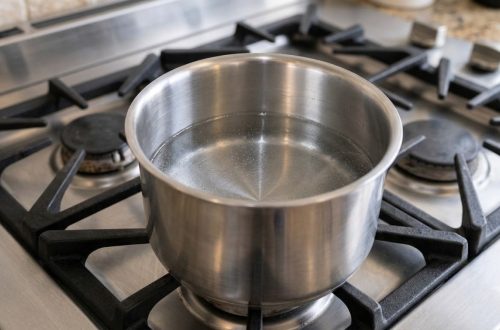
- A small saucepan for boiling eggs
- A bowl of ice water for cooling
- A small mixing bowl and a fork or whisk, or a food processor or immersion blender
- A measuring spoon and measuring cup
- A small jar or airtight container for storage
How to Make Homemade Boiled Egg Mayonnaise
- Boil the eggs. Place the eggs in a small saucepan and cover them with cold water by about 1 inch. Bring the water to a boil, then reduce the heat to a gentle simmer and cook for about 10 to 12 minutes. Move the eggs to a bowl of ice water and let them cool for at least 5 minutes.
- Peel and separate. Peel the eggs and cut each one in half lengthwise. Remove the yolks and set aside the whites for another use. Both yolks should be firm and dry-looking, not runny.
- Mash the yolks. Place the yolks in a small bowl and mash them with a fork until they form a fine, crumbly paste with no large lumps. The smoother the paste, the smoother the mayonnaise will be.
- Add the flavorings. Stir in the Dijon mustard, lemon juice, and salt until the mixture is smooth and evenly combined. It should look like a thick, pale yellow paste.
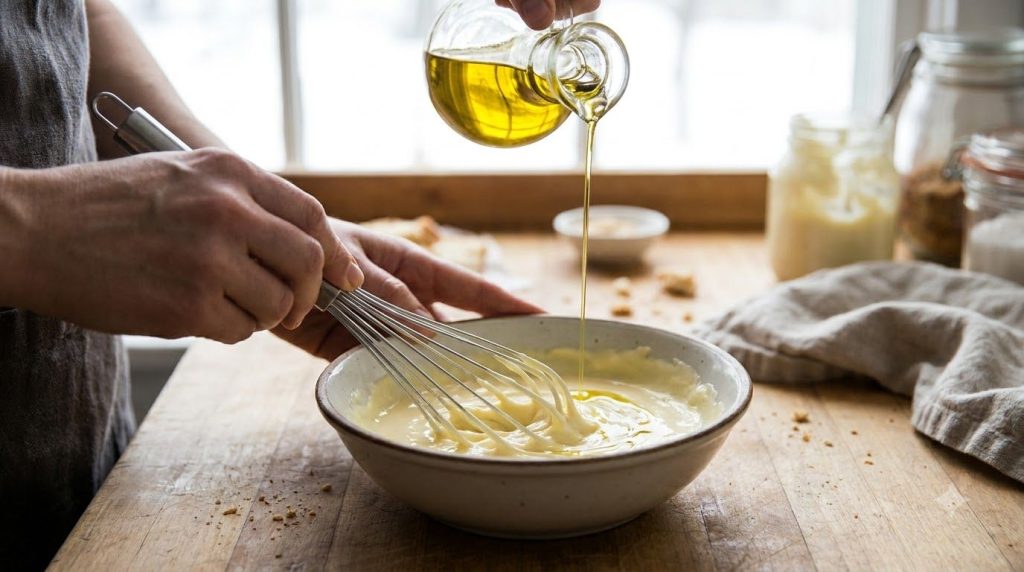
- Start the emulsion slowly. Add the oil just a few drops at a time while whisking constantly. The mixture will look loose at first. As it thickens, you can add the oil in a very thin stream. This step takes the most patience, so go slowly.
- Finish the texture. Continue adding oil until all of it is incorporated and the mayonnaise is thick, glossy, and spreadable. Taste it and add more salt or lemon juice if needed.
- Store it. Transfer the mayonnaise to a clean airtight jar and refrigerate it right away.
Pro Tips for the Best Results
- Use a fine mesh strainer to press the yolks if you want an extra smooth texture.
- Make sure the yolks are completely cooled before mixing, since warm yolks can make the mayonnaise greasy.
- Add the first few drops of oil very slowly. This is the stage where the mayonnaise is most likely to split.
- Taste before storing. Cooked yolks can taste mild, so adjust the salt and lemon juice to your preference.
- Let the mayonnaise chill for about 30 minutes before serving. It thickens slightly as it cools.
Common Mistakes to Avoid
Adding the oil too quickly. If the mayonnaise looks oily or separated, the oil went in too fast. Start over with a fresh yolk and add the broken mixture slowly while whisking.
Using runny or undercooked yolks. Soft yolks do not mash into a smooth paste and make the texture grainy. Cook the eggs fully until the yolks are firm.
Leaving the mayonnaise out. Homemade mayonnaise should go back into the refrigerator soon after making it. Do not leave it at room temperature for long periods.
Variations and Substitutions
- Garlic mayo: Mash in one small garlic clove with the yolks for a sharper flavor.
- Herb mayo: Stir in 1 tablespoon finely chopped fresh chives, dill, or parsley at the end.
- Spicy mayo: Add 1/4 teaspoon hot sauce or a pinch of cayenne pepper.
- Lighter flavor: Use half light olive oil and half neutral oil for a milder olive flavor.
Serving Suggestions
Spread this mayonnaise on turkey, chicken, or egg salad sandwiches. It also works as a base for potato salad, coleslaw, or deviled eggs. For a quick snack, serve it with raw vegetables such as cucumber, carrot, or bell pepper strips.
Storage and Reheating
Store the mayonnaise in a clean airtight jar in the refrigerator. For best quality, use it within 2 to 3 days. Because it is made with cooked yolks and no preservatives, do not keep it longer than that. Freezing is not recommended, since the emulsion will likely separate when thawed. Mayonnaise does not need reheating.
Frequently Asked Questions
Is boiled egg mayonnaise safe to eat?
This version uses fully cooked egg yolks, so you do not need to handle raw eggs. Keep it refrigerated and use it within a few days.
Why is my mayonnaise runny?
Runny mayonnaise usually means the oil was added too quickly or the yolks were not mashed smooth enough. Try whisking a fresh yolk and slowly adding the thin mixture to it.
Can I use a blender instead of whisking by hand?
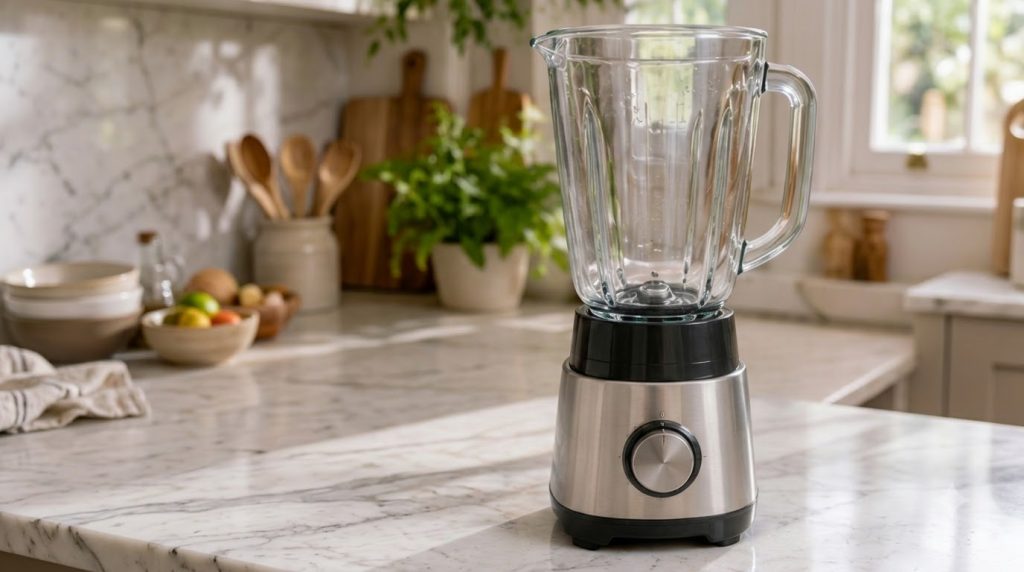
Yes. A food processor or immersion blender works well. Blend the yolks with the mustard, lemon juice, and salt, then add the oil in a slow, steady stream while the machine runs.
Can I use raw egg yolks instead?
Yes, classic mayonnaise uses raw yolks. Raw yolk versions are often thicker and more stable, but they require extra food safety care. If you choose raw yolks, use fresh, properly handled eggs and follow a trusted recipe.
What can I use instead of Dijon mustard?
Yellow mustard is a practical substitute. The flavor will be milder and less sharp, but the mayonnaise will still work well.
Give this easy boiled egg mayonnaise a try, and leave a comment to share how it turned out in your kitchen.