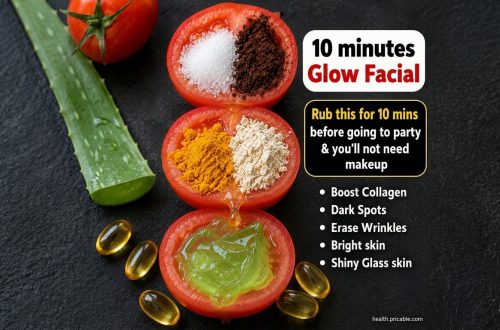
Hey there, health seekers! It’s always amazing to see how traditions often hold simple secrets for our well-being. Today, we’re diving into some traditional beauty and wellness recipes that have been passed down through generations. These aren’t about drastic transformations, but rather about embracing affordable, easy-to-prepare routines that support hydration, gentle care, and a mindful self-care experience.
We’re talking about four everyday ingredients you might already have in your pantry or medicine cabinet: petroleum jelly, okra, coffee, and cloves. Each one offers unique properties. Petroleum jelly (like Vaseline) is a fantastic occlusive, helping to prevent moisture loss. Okra is a nutritious vegetable known for its unique mucilage. Coffee contains compounds like caffeine, and cloves are packed with aromatic eugenol.
Before we jump into the recipes, let’s keep it real. While these ingredients are wonderful for supporting your skin and body, they can’t magically erase wrinkles, reverse aging, or replace medical treatments. Homemade recipes can be a lovely addition to your routine for hydration, gentle exfoliation, or relaxation, but results will always vary. It’s about nurturing your body with simple, consistent care.
Ready to explore these time-honored practices? Let’s get cooking (and mixing)!
1. Simple Vaseline Overnight Moisture Balm
Petroleum jelly, often known by its popular brand name Vaseline, is a true powerhouse for protecting very dry skin. It doesn’t add moisture on its own, but it creates a protective barrier that locks in existing moisture and slows down water loss from your skin. Dermatologists frequently recommend it for chapped lips, rough patches, minor irritations, and areas prone to dryness from frequent washing. It works best when applied to slightly damp skin or layered over your favorite moisturizer.
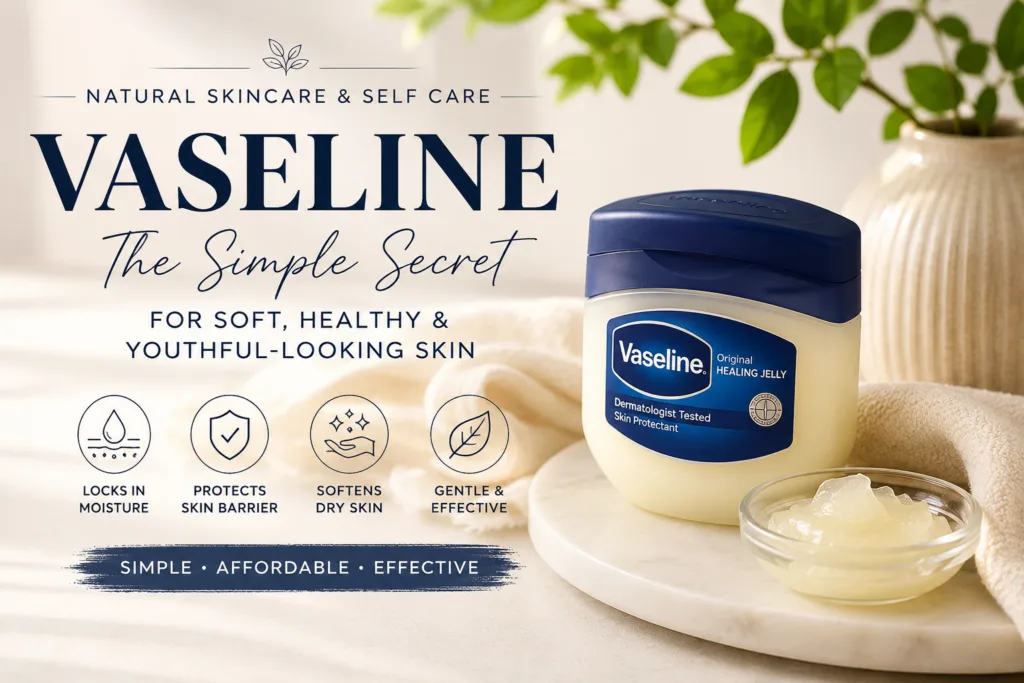 Vaseline is a simple yet effective ingredient for skin protection and moisture retention.
What This Recipe May Help With:
- Softening dry and flaky areas
- Reducing the tight, uncomfortable feeling of dry skin
- Protecting your skin barrier overnight
- Temporarily improving the look of fine dehydration lines
- Keeping lips, elbows, heels, and cuticles moisturized
Remember, petroleum jelly doesn’t stimulate collagen or remove deep wrinkles. Its primary role is to be a superb moisture locker!
Ingredients:
- 1 teaspoon plain petroleum jelly (like Vaseline)
- ½ teaspoon fragrance-free facial moisturizer
- 1 drop of squalane or jojoba oil (optional, for extra richness)
Avoid: Please do NOT add lemon juice, undiluted essential oils, cinnamon powder, toothpaste, or concentrated clove oil to this recipe, especially for facial use. These can cause significant irritation.
How to Prepare It:
- Place the petroleum jelly in a clean, dry bowl.
- Add the fragrance-free moisturizer and mix slowly with a clean cosmetic spatula or spoon.
- If you’re using it, add one drop of squalane or jojoba oil for an even richer texture. Stir until the mixture is smooth and uniform.
Important: There’s no need to heat petroleum jelly. Heating cosmetic containers on a stove can be unsafe and damage the product.
How to Use It:
- Start by gently cleansing your face with lukewarm water. Pat your skin lightly, leaving it slightly damp.
- Apply your regular moisturizer first.
- Then, take a very small amount of your homemade balm and spread it thinly over dry areas. A little goes a long way – you don’t need a thick layer!
This method is often called “slugging,” and you can apply it just to specific dry spots or your entire face if needed.
- Start with two or three nights per week. If your skin loves it, you can use it more often.
Who Should Be Cautious?
If you have very oily or acne-prone skin, a heavy layer might feel uncomfortable. While petroleum jelly is generally considered non-comedogenic for many, it can trap sweat, makeup, or other products underneath it. Always apply it to clean skin. If you notice persistent redness, itching, swelling, or breakouts, please stop using it.
2. Refreshing Okra Water
Okra water has gained popularity as a homemade wellness drink, thanks to its unique texture and straightforward preparation. When sliced okra soaks in water, it releases a slippery substance called mucilage. This mucilage is mainly made of polysaccharides, and okra itself is a nutritious vegetable providing fiber, vitamins, minerals, and plant compounds when eaten regularly.
While drinking okra water isn’t a magic solution to reverse aging or clear skin, it can be a delightful and hydrating, vegetable-based drink for those who enjoy its mild flavor and interesting texture.
 Okra water is a simple and hydrating beverage to try at home.
Ingredients:
- 3 to 4 fresh okra pods
- 1½ cups drinking water
- 1 thin slice of lemon (optional)
- ½ teaspoon honey (optional)
How to Prepare It:
- Wash the okra thoroughly under running water. Trim off the stems, but avoid cutting too deeply into the pods.
- Slice each pod into several round pieces. Place them in a clean glass jar.
- Add the water, then cover the jar and refrigerate for 8 to 12 hours. During this time, the water will become slightly thick.
- Strain the drink before serving, or leave a few okra slices in the glass for presentation. Add lemon or a small amount of honey if you like.
How to Drink It:
Start with half a glass to see if you enjoy the texture. It’s a lovely addition to breakfast or a refreshing drink between meals. One glass per day is usually plenty if you’re just enjoying it as a homemade drink.
What Does It Taste Like?
Okra water has a mild, earthy, and slightly green flavor. Its most notable characteristic is the texture, which can feel smooth, thick, or even gel-like. Adding lemon brightens the flavor, while a touch of honey can make it more palatable if you’re not a fan of the natural vegetable taste.
Storage:
Keep okra water refrigerated and drink it within 24 hours. It’s best to prepare a fresh batch each day rather than storing it for longer. Discard it if it develops an unpleasant smell, changes color significantly, or appears fermented.
Safety Notes:
While okra is a healthy food, highly concentrated homemade preparations might not suit everyone. If you’re managing blood sugar, have digestive sensitivities, are pregnant, or have a chronic health condition, it’s always wise to chat with a healthcare professional before making significant dietary changes. The best way to get okra’s nutrients is still to eat the cooked vegetable as part of a varied diet!
3. Coffee and Clove Body Scrub
The combination of coffee and cloves in traditional beauty recipes is often cherished for its warm, inviting aroma, creating a delightful spa-like experience at home. Coffee grounds provide a gentle physical exfoliation, helping to slough off dead skin cells. While research explores the antioxidant compounds in coffee extracts, regular kitchen coffee grounds primarily offer mechanical exfoliation rather than deep skin transformation.
Cloves contain eugenol, a compound with antioxidant and anti-inflammatory properties. However, concentrated clove oil can be irritating and even harmful to the skin, especially at higher concentrations. For this reason, our recipe uses only a tiny pinch of finely ground culinary clove and is specifically designed for the body, away from your delicate facial skin.
[IMAGE PLACEHOLDER: A small bowl of homemade coffee and clove body scrub mixture, with coffee beans and whole cloves scattered around on a rustic surface.]
Enjoy a spa-like experience with this aromatic coffee and clove body scrub.
Ingredients:
- 2 tablespoons finely ground coffee (used coffee grounds are fine, just make sure they are dry)
- 1 tablespoon plain yogurt or aloe vera gel
- 1 teaspoon honey
- A very small pinch of finely ground clove (seriously, just a pinch!)
- 1 teaspoon jojoba, sunflower, or sweet almond oil (optional, for extra moisture)
How to Prepare It:
- Add the coffee to a clean bowl.
- Mix in the yogurt or aloe vera gel.
- Add honey and stir until the mixture forms a soft, spreadable paste.
- Finally, add only a tiny pinch of ground clove.
The scrub should feel moist and easy to spread. If it seems too dry or abrasive, add another teaspoon of yogurt or aloe gel.
Patch Test First!
This step is crucial for any topical DIY recipe: Apply a small amount of the scrub to the inner forearm. Leave it for five minutes, rinse it off thoroughly, and then observe the area for the next 24 hours. Do not use this mixture if you develop any redness, burning, swelling, itching, or a rash.
How to Use It:
- Use this scrub on damp body skin while showering.
- Apply it gently to rough areas like your arms, legs, knees, or elbows.
- Massage with very light circular movements for no more than 20 to 30 seconds per area. Remember, more pressure does not mean better results and can actually harm your skin barrier.
- Rinse thoroughly and follow up with a fragrance-free body moisturizer.
- Use this scrub no more than once a week.
Where Not to Use It:
Absolutely do NOT apply this scrub to:
- Your face
- Broken or sunburned skin
- Active acne breakouts
- Areas affected by eczema or dermatitis
- Recently shaved skin
- The delicate eye area
- Sensitive intimate areas
If you have rosacea or highly reactive skin, it’s best to avoid physical scrubs altogether.
Expected Results:
After rinsing, your skin may feel smoother because loose surface cells have been gently removed. The oil, yogurt, aloe, or honey may also leave your skin feeling softer and more supple. This is a temporary cosmetic effect; the scrub won’t permanently remove wrinkles, rebuild collagen, or treat dark spots.
4. Okra and Clove Infused Water
Okra and clove-infused water combines the mild, earthy flavor of okra with the warm, spicy aroma of whole cloves. This drink is sometimes touted online as a “beauty tonic.” While both ingredients contain beneficial plant compounds, there isn’t enough scientific evidence to suggest that this combination can reverse aging, eliminate wrinkles, or transform your skin.
Instead, it’s best viewed as a lovely, traditional infused drink to enjoy rather than a miraculous treatment.
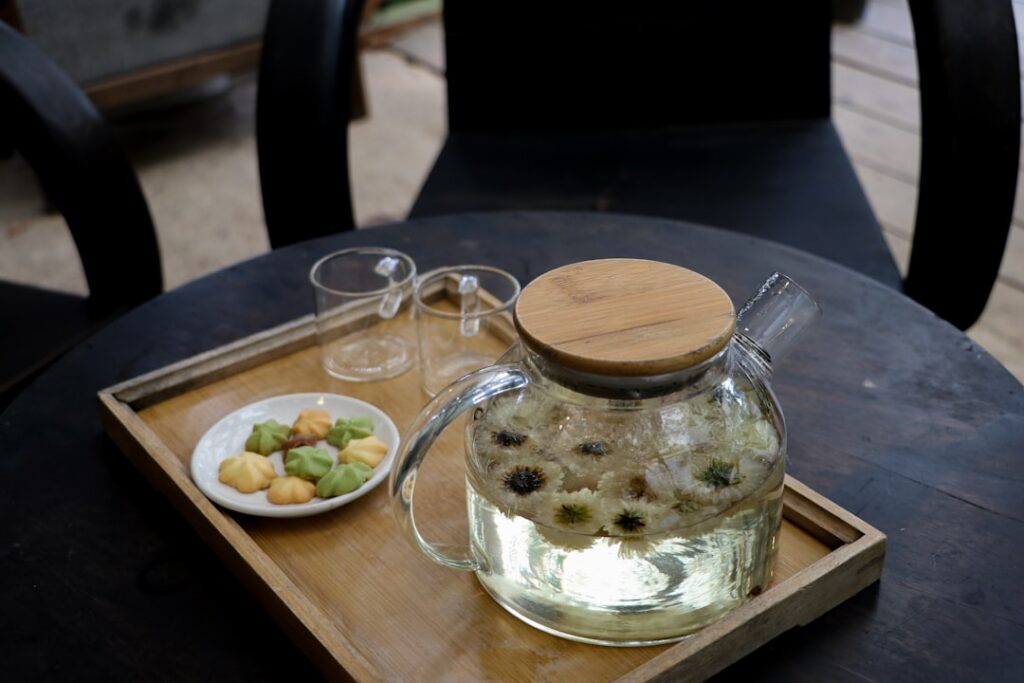 A gentle blend of okra and cloves makes for a refreshing infused water.
Ingredients:
- 2 fresh okra pods
- 1 or 2 whole cloves
- 1½ cups warm or room-temperature drinking water
- 1 teaspoon honey (optional)
- A small squeeze of lemon (optional)
How to Prepare the Overnight Version:
- Wash and slice the okra into thin rounds. Place the pieces in a clean glass jar.
- Add one or two whole cloves. Pour in the water and cover the container.
- Refrigerate for 6 to 8 hours. Strain the liquid before drinking.
- Add a little honey or lemon if desired.
How to Prepare the Warm Version:
- Place one or two whole cloves in a heat-safe cup.
- Pour in one cup of freshly boiled water and allow it to cool for about ten minutes (so it’s warm, not boiling hot).
- Add the sliced okra only after the water is warm. Cover and let it steep for another 20 to 30 minutes.
- Strain before drinking.
The warm version generally creates a lighter texture than the overnight method.
Why Use Whole Cloves Instead of Clove Oil?
Whole culinary cloves provide a much milder and safer infusion. Clove essential oil is incredibly concentrated and should never be casually added to drinking water or homemade skincare. A single drop of essential oil is far more potent than one whole clove and can irritate your mouth, digestive system, or skin when used improperly. For home recipes, whole culinary cloves are always the safer and simpler choice.
How Often Can You Drink It?
Start with half a glass to see how your digestion responds. If you enjoy it, you can drink one small glass occasionally. There’s no proven benefit to following aggressive 21-day or 30-day routines. Moderation and overall dietary quality are far more important than daily consistency with this specific drink.
Who Should Avoid or Limit Cloves?
If you’re taking anticoagulant or antiplatelet medication, preparing for surgery, are pregnant, or have liver disease, please consult a healthcare professional before consuming concentrated clove preparations. Cloves are potent, so it’s always best to use them sparingly.
Bonus Recipe: Gentle Coffee and Vaseline Hand Balm
While mixing coffee and petroleum jelly directly on a hot stove isn’t advisable, you can safely combine the essence of these ingredients for a soothing hand balm. This recipe uses a tiny amount of cosmetic-grade coffee oil (not strong brewed coffee or wet grounds!) with petroleum jelly, perfect for dry hands.
Note: This recipe is strictly for the hands only.
Ingredients:
- 1 teaspoon petroleum jelly (like Vaseline)
- ½ teaspoon fragrance-free hand cream
- 1 drop cosmetic-grade coffee oil (optional – please do NOT substitute with strong coffee, wet coffee grounds, or essential oils!)
Instructions:
- Mix all ingredients thoroughly in a small, clean bowl.
- Massage a thin layer over your hands and cuticles before bed.
- For an extra intensive moisturizing treatment, you can wear clean cotton gloves for 20 to 30 minutes after application.
This balm can help soften rough skin on your hands, but it will not erase age spots or permanently change skin texture.
Common Questions About These Ingredients
Can Vaseline remove wrinkles?
Petroleum jelly cannot remove structural wrinkles. However, by creating a barrier that reduces water loss, it can temporarily make dehydrated skin appear plumper, smoother, and more comfortable. It addresses dehydration lines, not deep wrinkles.
Does okra water contain collagen?
No. Okra does not contain human collagen. It is rich in plant nutrients, fiber, mucilage, and bioactive compounds, but these are not the same as collagen. Consuming okra can support general health, but it won’t directly provide collagen for your skin.
Can coffee boost collagen when applied at home?
While coffee-derived compounds are being studied for cosmetic applications, laboratory extracts and professionally formulated products are very different from applying kitchen coffee grounds to your skin. A homemade coffee scrub should primarily be viewed as a physical exfoliant that temporarily smooths the skin by removing dead cells.
Can cloves brighten the skin?
There isn’t enough reliable scientific evidence to support the claim that whole cloves or homemade clove mixtures can safely lighten or “brighten” the skin. Strong clove preparations may irritate, sensitize, or even burn sensitive skin, especially on the face.
Is it safe to put clove oil directly on the face?
Absolutely not. Undiluted clove essential oil is extremely concentrated and should never be applied directly to facial skin. It can cause severe irritation, sensitization, or even tissue damage.
Can these recipes replace sunscreen or professional skincare products?
No. These homemade recipes are lovely additions to a self-care routine, but they do not replace a basic, evidence-based skincare regimen. For dependable skin health, consistently use:
- A gentle cleanser.
- A suitable moisturizer.
- Broad-spectrum sunscreen daily.
- Any active ingredients (like retinoids or vitamin C) introduced gradually, if desired.
- Always consult a dermatologist for persistent skin concerns.
Final Thoughts for Better Health Daily
Vaseline, okra, coffee, and cloves can each play a valuable role in simple home routines when used for their intended purposes. Petroleum jelly is excellent for locking moisture into dry skin. Okra can be enjoyed as a nutritious food or a mild, hydrating homemade drink. Coffee grounds, used carefully, make an effective occasional body exfoliant. Whole cloves can add a beautiful aroma to infusions, but concentrated clove oil requires much more caution.
The most realistic and rewarding goal of these recipes isn’t to “reverse age” overnight. It’s to help you create a gentle, affordable self-care routine that supports skin comfort, hydration, and mindful daily habits. Always remember to patch-test topical recipes, keep your homemade mixtures clean, avoid using strong ingredients near your eyes, and stop immediately if you notice any irritation. For persistent acne, pigmentation, eczema, allergic reactions, or signs of infection, please seek advice from a qualified healthcare professional. Your well-being is always the top priority!