In our journey toward holistic wellness, few aspects are as critical as maintaining a healthy heart. Heart disease remains a leading health concern globally, and one of the most significant contributors is elevated cholesterol levels. While various factors influence heart health, our daily dietary choices hold immense power in managing cholesterol and supporting overall cardiovascular well-being.
This article delves into how incorporating specific, nutrient-rich foods into your diet can be a delicious and effective strategy to help reduce cholesterol and safeguard your heart. We’ll explore the science behind these foods and offer practical tips for making them a staple in your kitchen.
 Embrace a colorful and wholesome diet to support your heart health.
Understanding Cholesterol and Your Heart
Before we dive into the foods, let’s briefly understand cholesterol. Cholesterol is a waxy, fat-like substance found in all the cells in your body. It’s essential for making hormones, vitamin D, and substances that help you digest foods. However, too much of certain types of cholesterol can pose a risk.
- LDL (Low-Density Lipoprotein) Cholesterol: Often called “bad” cholesterol, high levels can lead to a buildup of plaque in your arteries, narrowing them and increasing the risk of heart disease and stroke.
- HDL (High-Density Lipoprotein) Cholesterol: Known as “good” cholesterol, HDL helps remove excess cholesterol from your arteries and transport it back to the liver for removal from the body.
The goal is typically to lower LDL cholesterol and raise or maintain healthy levels of HDL cholesterol.
Dietary Powerhouses for Cholesterol Management
Nature provides us with an abundance of foods that can actively support healthy cholesterol levels. Let’s explore some key players:
Soy and Its Heart-Protective Proteins
Soybeans and soy-based products have long been recognized for their potential cardiovascular benefits. Rich in protein, soy can be a fantastic alternative to animal proteins, which are often high in saturated fat and dietary cholesterol.
- How it works: The proteins in soy may help reduce LDL cholesterol. Studies suggest that consuming soy protein as part of a low-saturated fat, low-cholesterol diet can lead to modest reductions in LDL cholesterol.
- How to enjoy: Incorporate tofu, tempeh, edamame, soy milk, and miso into your meals. Soy can be used in stir-fries, smoothies, soups, and as a meat substitute.
Barley: A Fiber-Rich Grain for Cardiovascular Health
Barley is a humble grain with mighty benefits, especially for your heart. It’s an excellent source of soluble fiber, particularly beta-glucan.
- How it works: Beta-glucan forms a gel-like substance in the digestive tract that binds to cholesterol and bile acids, preventing their reabsorption and promoting their excretion from the body. This process prompts the liver to pull more cholesterol from the blood to make new bile acids, thereby helping to lower circulating LDL cholesterol.
- How to enjoy: Add hulled or pearl barley to soups, stews, salads, or use it as a hearty side dish instead of rice.
Eggplant: The Antioxidant-Rich Vegetable
Eggplant is a versatile vegetable that contributes to heart health through its fiber content and rich array of antioxidants.
- How it works: The fiber in eggplant aids digestion and can help reduce the absorption of cholesterol. Furthermore, eggplants are packed with antioxidants like anthocyanins (which give them their purple color), which help protect cells from oxidative damage, a factor linked to cardiovascular disease.
- How to enjoy: Roast, grill, bake, or sauté eggplant. It’s a fantastic addition to curries, stews, pasta sauces, or as a standalone side dish.
Peanuts: A Nutty Boost for Healthy Fats
Often underestimated, peanuts are technically legumes but are nutritionally similar to tree nuts and offer significant heart benefits. They are rich in monounsaturated and polyunsaturated fats, fiber, and plant sterols.
- How it works: The healthy fats in peanuts can help lower LDL cholesterol while potentially increasing HDL cholesterol. Plant sterols in peanuts compete with dietary cholesterol for absorption, further contributing to lower blood cholesterol levels.
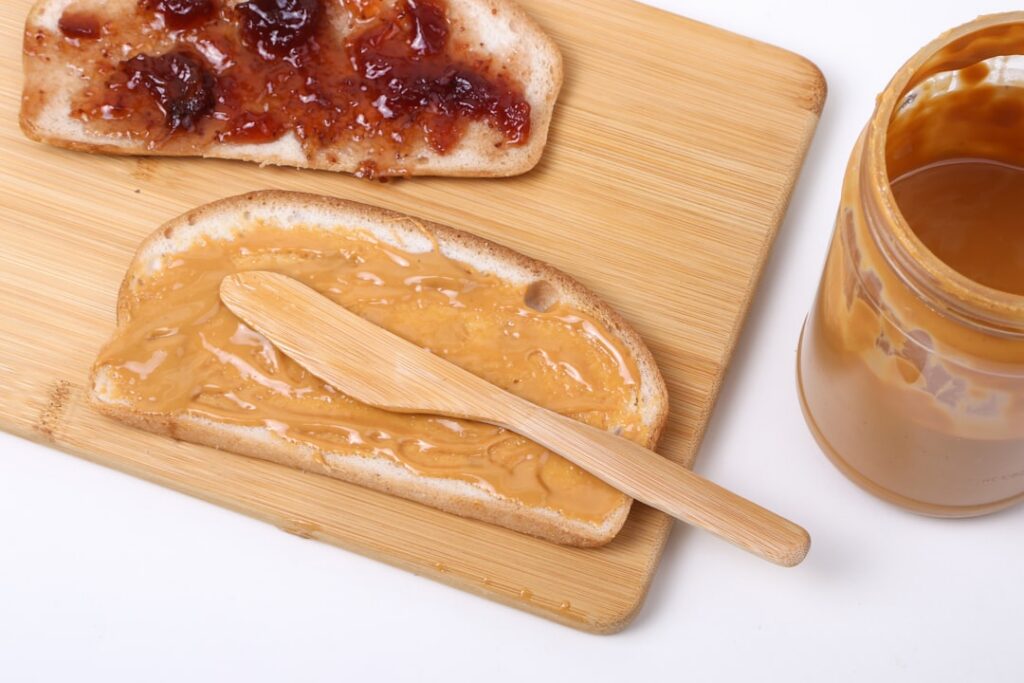
- How to enjoy: Enjoy a handful of plain, unsalted peanuts as a snack, add them to salads or stir-fries, or opt for natural peanut butter without added sugars or hydrogenated oils.
Integrating These Foods into Your Diet
Making these foods a regular part of your diet doesn’t have to be complicated. Here are some simple tips:
- Breakfast Boost: Start your day with oatmeal or barley porridge topped with berries, or a soy milk smoothie.
- Lunchtime Upgrade: Add edamame to salads, or enjoy a hearty barley soup.
- Dinner Delights: Use tofu or tempeh in your favorite stir-fry, or roast eggplant with herbs and spices as a side dish.
- Smart Snacking: Keep unsalted peanuts handy for a nutritious snack.
Beyond Diet: A Holistic Approach to Heart Health
While dietary choices are fundamental, remember that a healthy heart thrives on a holistic approach. Complement your smart eating habits with:
- Regular Physical Activity: Aim for at least 150 minutes of moderate-intensity exercise per week.
- Maintaining a Healthy Weight: Excess weight can increase LDL cholesterol and decrease HDL cholesterol.
- Limiting Saturated and Trans Fats: Reduce intake of red meat, processed foods, and baked goods made with hydrogenated oils.
- Managing Stress: Chronic stress can contribute to higher cholesterol and blood pressure.
- Regular Health Check-ups: Monitor your cholesterol levels and discuss any concerns with your healthcare provider.
Conclusion
Protecting your heart is a long-term commitment, and your diet is a powerful tool in this endeavor. By consciously choosing foods like soy, barley, eggplant, and peanuts, you are actively contributing to healthier cholesterol levels and robust cardiovascular wellness. Embrace these delicious, nutrient-rich options as part of a balanced lifestyle, and take a proactive step towards a healthier, happier heart.
Disclaimer: This article provides general information and is not a substitute for professional medical advice. Always consult with a healthcare professional for diagnosis and treatment of any health condition. Never stop prescribed medication without consulting your doctor.