Easy Fluffy Potato-Yogurt Rolls
Mashed potatoes and Greek yogurt might seem like unlikely dough ingredients, but together they make some of the softest homemade rolls you can bake. The potatoes add moisture and a tender, cloud-like crumb, while the yogurt brings a slight tang and helps keep the rolls fresh for longer than plain white dough. These rolls are a good match for weeknight dinners, holiday tables, or a simple breakfast with butter and jam.
Why You’ll Love These Rolls
- Extra soft texture: Mashed potato keeps the crumb tender and pillowy.
- Simple ingredients: Most of the dough uses pantry staples like flour, sugar, butter, and yeast.
- Make-ahead friendly: The dough can rise slowly in the fridge, which fits a busy schedule.
- Versatile: They work with soups, roasted meats, or as sandwich rolls.
Ingredients
Quantities below are practical estimates, since the original recipe notes did not list exact amounts.
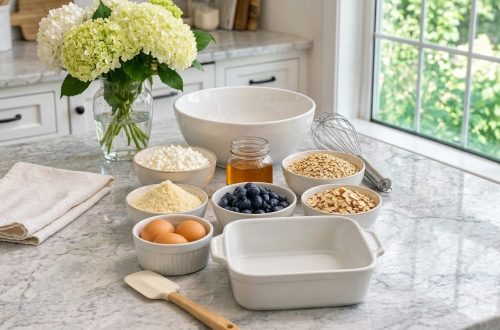
- 1 cup (240 g) mashed potatoes, cooled until warm, about 1 medium russet potato
- 1/2 cup (120 g) plain Greek yogurt, whole milk or 2% recommended
- 1/4 cup (50 g) granulated sugar
- 1/4 cup (57 g) unsalted butter, melted, plus extra for brushing
- 1 large egg, at room temperature
- 2 1/4 tsp (7 g) active dry yeast, about 1 packet
- 1/3 cup (80 ml) warm water, about 105 to 110°F (40 to 43°C)
- 3 to 3 1/2 cups (375 to 440 g) all-purpose flour, plus more as needed
- 1 1/2 tsp (9 g) fine sea salt
Ingredient Notes
Russet potatoes are starchy and mash into a fluffy texture, while waxy potatoes can make the dough denser. Greek yogurt adds moisture and a mild tang. Regular plain yogurt can be used, but thick yogurt works best because thin yogurt adds extra liquid. The flour amount depends on how much moisture your potatoes contain, so add it gradually.
Equipment You’ll Need
- Large mixing bowl
- Stand mixer with a dough hook, or a sturdy spoon and clean work surface
- 9 by 13 inch baking pan, greased
- Kitchen scale (helpful but optional)
- Pastry brush
How to Make Potato-Yogurt Rolls
- Cook and mash the potatoes. Peel and cut the potato into chunks. Boil until a fork slides in easily, about 15 to 20 minutes. Drain well and mash until smooth. Let cool until warm to the touch, not hot.
- Activate the yeast. Stir the yeast into the warm water with a pinch of the sugar. Wait 5 to 10 minutes until it looks foamy and bubbly. If nothing foams, the yeast may be expired, so start again with fresh yeast.
- Mix the wet ingredients. In a large bowl, combine the mashed potato, Greek yogurt, egg, melted butter, remaining sugar, and the yeast mixture. Stir until smooth and evenly combined.
- Add the flour and salt. Stir in 3 cups of flour and the salt. Add more flour, a few tablespoons at a time, until the dough pulls away from the sides of the bowl. It should feel soft and slightly tacky, but not sticky enough to coat your fingers.
- Knead the dough. Knead by hand on a lightly floured surface, or in a stand mixer on medium-low, for about 6 to 8 minutes. The dough is ready when it is smooth, springy, and holds its shape when pressed gently with a finger.
- First rise. Place the dough in a greased bowl, turn it once to coat, and cover with plastic wrap or a towel. Let it rise in a warm spot for about 1 to 1 1/2 hours, until it has roughly doubled in size. Timing varies with kitchen temperature.
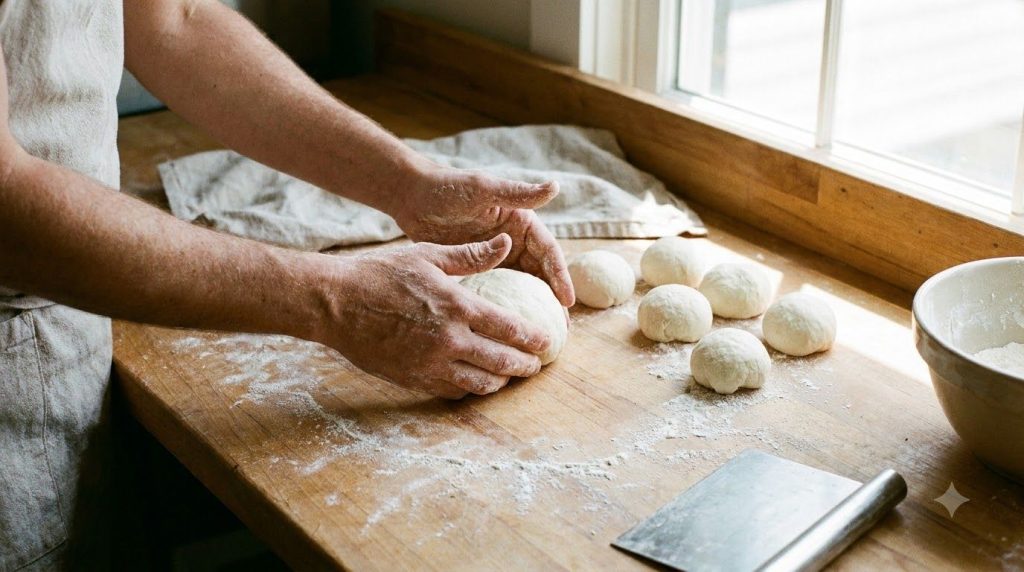
- Shape the rolls. Punch the dough down gently and divide it into 12 equal pieces, about 65 g each. Roll each piece between your palms into a smooth ball by tucking the edges underneath.
- Second rise. Arrange the balls in the greased pan with a little space between them. Cover and let rise for about 30 to 45 minutes, until puffy and nearly touching.
- Preheat and bake. While the rolls rise, heat the oven to 375°F (190°C). Bake for about 18 to 22 minutes, until the tops are golden brown. The center of a roll should reach about 190°F (88°C) on an instant-read thermometer.
- Finish with butter. Brush the warm tops with melted butter. Let the rolls cool in the pan for about 5 minutes before serving.
Pro Tips for the Best Results
- Let the potatoes cool to warm before adding them. Hot potatoes can kill the yeast.
- Use a thick, full-fat or 2% Greek yogurt for the most consistent dough.
- Start with 3 cups of flour and add more slowly. Dough hydration changes with the potatoes you use.
- Place the dough in a slightly cool oven with the light on to create a gentle proofing spot.
- Brush the rolls with butter right after baking for a soft, shiny crust.
Common Mistakes to Avoid
Using hot potatoes: Hot mashed potato can damage the yeast. Let it cool until it feels warm, not hot.
Adding too much flour: Extra flour makes the rolls dense. Stop adding flour once the dough feels soft and only slightly tacky.
Rushing the rise: Rolls that have not doubled may bake up heavy. Give the dough time, and rely on visual cues rather than the clock alone.
Variations and Substitutions
- Herb rolls: Add 1 tablespoon chopped fresh rosemary or chives to the dough.
- Garlic butter: Mix 2 tablespoons melted butter with a grated garlic clove and brush over the baked rolls.
- Cheesy top: Sprinkle grated Parmesan over the butter during the last 2 minutes of baking.
- Sweeter rolls: Increase the sugar to 1/3 cup for a softer, slightly sweet roll.
Serving Suggestions
Serve these rolls warm with salted butter, honey, or jam at breakfast. At dinner, they pair well with soups, stews, roast chicken, and a simple green salad. They are also good for small sandwiches, such as ham and cheese or turkey with mustard.
Storage and Reheating
Store cooled rolls in an airtight container or zip-top bag at room temperature for up to 2 days. For longer storage, refrigerate them for up to 4 days, or freeze them for up to 3 months. To reheat, wrap them loosely in foil and warm them in a 300°F (150°C) oven for about 8 to 10 minutes, or microwave one roll for about 10 to 15 seconds for a quick warm-up.
Frequently Asked Questions
Can I make the dough ahead of time?
Yes. After the first rise, you can shape the dough, cover it, and refrigerate it overnight. Let it sit at room temperature for about 30 to 60 minutes before baking so it can puff up again.
Why did my rolls turn out dense?
Dense rolls are usually caused by too much flour, hot potatoes that stunned the yeast, or a dough that did not rise long enough. Check that the yeast foamed and that the dough doubled in size.
Can I use instant potatoes?
You can, but the texture may be slightly different. Prepare the instant potatoes according to package directions, let them cool, and use the same amount by weight as the mashed potatoes.
Can I freeze the rolls?
Yes. Freeze cooled rolls in a sealed bag for up to 3 months. Thaw them at room temperature and warm them in the oven before serving.
How do I know when the rolls are done?
The tops should be golden brown, and the centers should reach about 190°F (88°C). Oven strength varies, so start checking a few minutes before the lowest time in the range.