Your Guide to Enjoying Fruit Healthily!
Fruits, often called nature’s candy, are truly incredible gifts from the earth. They’re bursting with essential vitamins, minerals, fiber, and antioxidants, all working together to help you feel vibrant, energized, and maintain overall wellness. From crisp apples to juicy berries, the world of fruit offers a delightful array of flavors and textures.
While incorporating a variety of fruits into your diet is certainly a key step towards a healthier lifestyle, it’s common to wonder about the best ways to enjoy them. How much is too much? What’s the ideal timing? Our latest guide aims to simplify these choices, helping you make the most of every delicious and nutritious bite.
Why Fruit is a Wellness Powerhouse
Beyond their natural sweetness, fruits offer a treasure trove of benefits:
- Rich in Vitamins and Minerals: Each fruit brings a unique profile of micronutrients, from Vitamin C in oranges to potassium in bananas, supporting everything from immune function to nerve health.
- Packed with Fiber: Fiber is crucial for digestive health, helping to regulate bowel movements and promote a feeling of fullness, which can be beneficial for weight management.
- Antioxidant Boost: Fruits contain powerful antioxidants that help protect your body’s cells from damage caused by free radicals, potentially supporting long-term health.
- Natural Hydration: Many fruits have a high water content, contributing to your daily hydration needs.
Key Principles for Healthy Fruit Enjoyment
Making fruit a healthy part of your daily routine is simple when you follow a few practical guidelines:
1. Embrace Variety
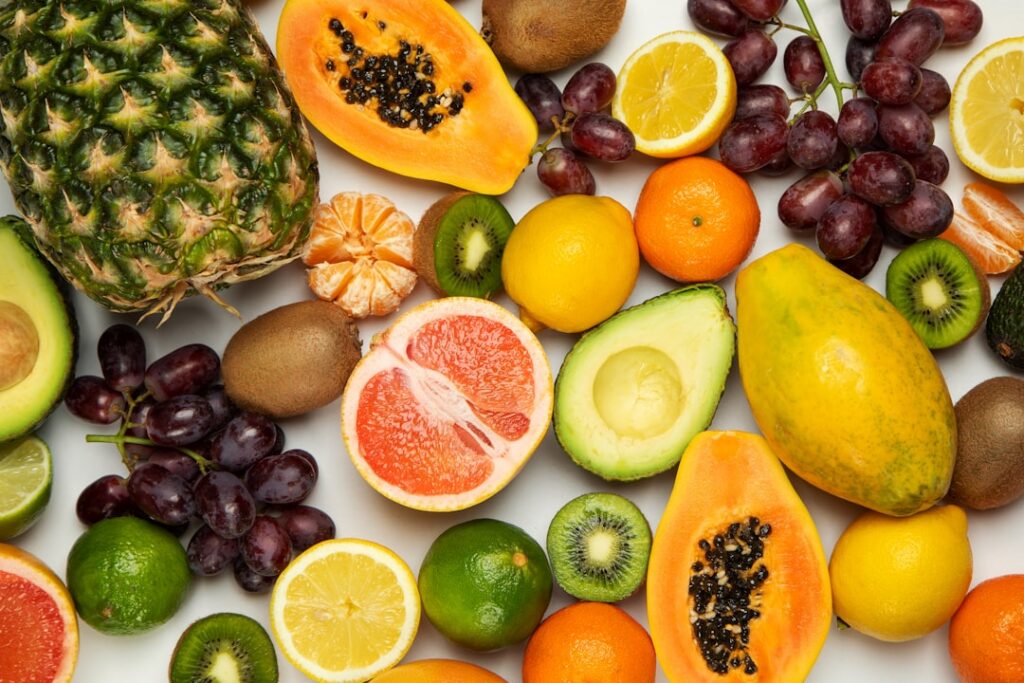
Don’t stick to just one or two favorites! Different colors often indicate different beneficial compounds. Aim to eat a rainbow of fruits over the course of a week to ensure you’re getting a broad spectrum of nutrients. Think red berries, orange citrus, green kiwis, and purple grapes.
2. Pay Attention to Portion Sizes
While fruits are healthy, they do contain natural sugars. For most adults, a typical serving is about one medium-sized fruit (like an apple or orange), or about half a cup of chopped fruit, or a quarter cup of dried fruit. Aim for around 2-4 servings per day, depending on your individual activity level and health goals.
3. Whole Fruit is Usually Best
Whenever possible, choose whole fruits over fruit juices. Whole fruits retain all their beneficial fiber, which helps slow down the absorption of natural sugars, preventing rapid spikes in blood sugar levels. Fruit juices, even 100% natural ones, often lack this fiber and can be higher in concentrated sugars.
4. Timing Your Fruit Intake
Fruits make excellent snacks between meals to curb hunger and provide a natural energy boost. Enjoying fruit with meals, especially those rich in protein or healthy fats, can also help to further stabilize blood sugar levels.
5. Listen to Your Body
Everyone’s body responds differently to foods. If you have specific dietary concerns, such as managing blood sugar levels or specific digestive issues, it’s always best to consult with a healthcare professional or a registered dietitian. They can provide personalized advice tailored to your unique needs.
6. Wash Thoroughly
Always remember to wash your fruits thoroughly under running water before eating, even if you plan to peel them. This helps remove any surface dirt, pesticides, or other contaminants.
Conclusion: Savoring Nature’s Sweetness Responsibly
Fruits are an undeniably delicious and nutritious component of a balanced diet. By focusing on variety, mindful portion sizes, and choosing whole fruits, you can confidently enjoy their many health benefits. Incorporating these simple habits can significantly contribute to your daily wellness journey.
Remember, this information is for educational purposes only and should not be considered a substitute for professional medical advice, diagnosis, or treatment. Always consult with a qualified healthcare provider for any health concerns or before making any changes to your diet or health regimen.