Most people throw away the leaves and keep only the fruit. Yet papaya leaves are one of the most practical parts of the plant for home preparations, especially a simple tea. The difference between a clean, mild brew and a bitter, muddy one usually comes down to three things: which leaves you pick, how much you use, and how you dry and steep them.
What It Is
Papaya leaf is the dried or fresh foliage of Carica papaya, commonly prepared as a herbal tea or infusion. It is widely sold in dried form, but many people make it at home from leaves grown in a backyard or container. Think of it as a simple herbal infusion, not a concentrated supplement, and keep your expectations practical.
Ingredients and Approximate Measurements
- 2 to 3 fresh papaya leaves, or 1 to 2 teaspoons of dried, cut leaf
- 1 cup (240 ml) filtered water
- Optional: 1 teaspoon raw honey or a thin slice of fresh ginger
Formula and Recipe
For one standard mug, use one medium fresh leaf or about 1 teaspoon dried leaf per cup of water. Stronger is not better here. A heavy dose usually tastes harsher without making the preparation more useful.
Step-by-Step Method
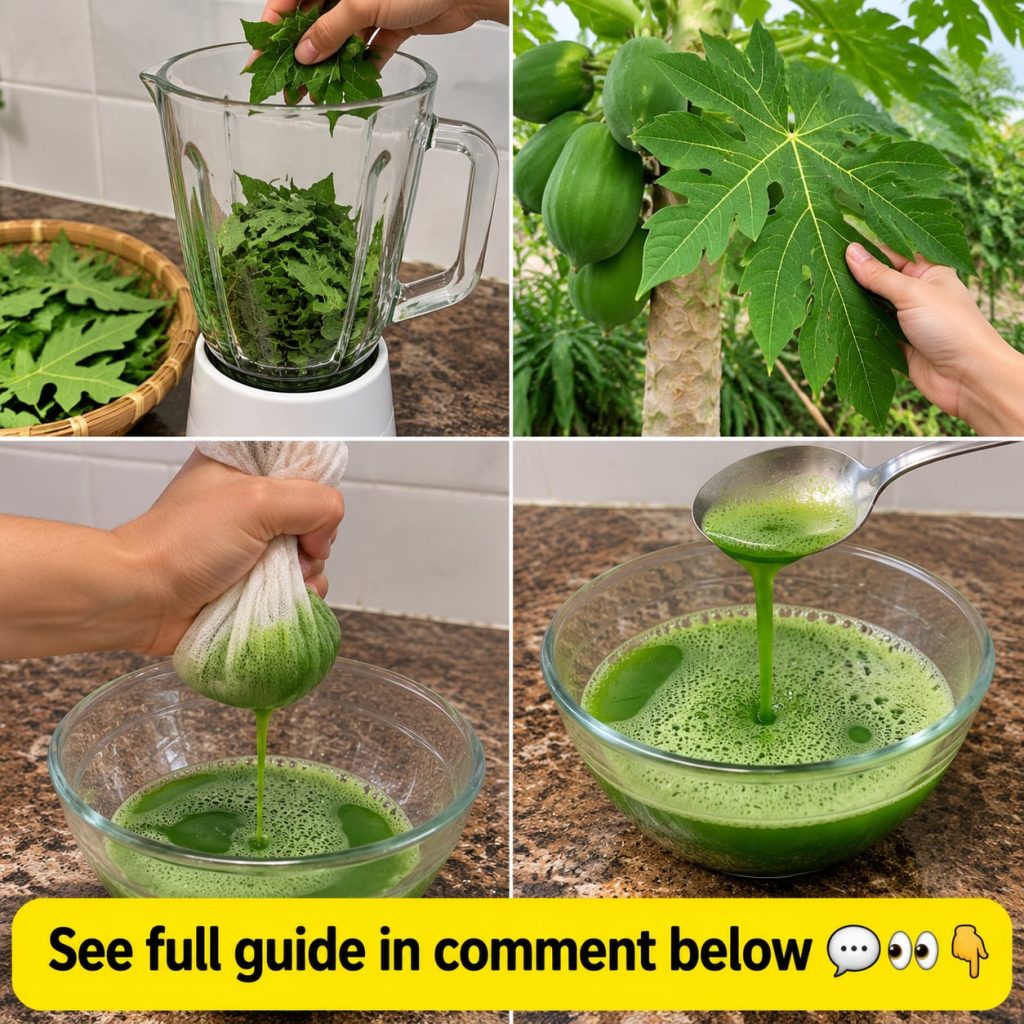
- Choose healthy, mature leaves with a deep green color and no brown spots.
- Rinse them gently under cool water and pat dry with a clean towel.
- Remove the thick central stem and tear the leaves into small pieces.
- Bring the water to a gentle simmer, then remove it from the heat.
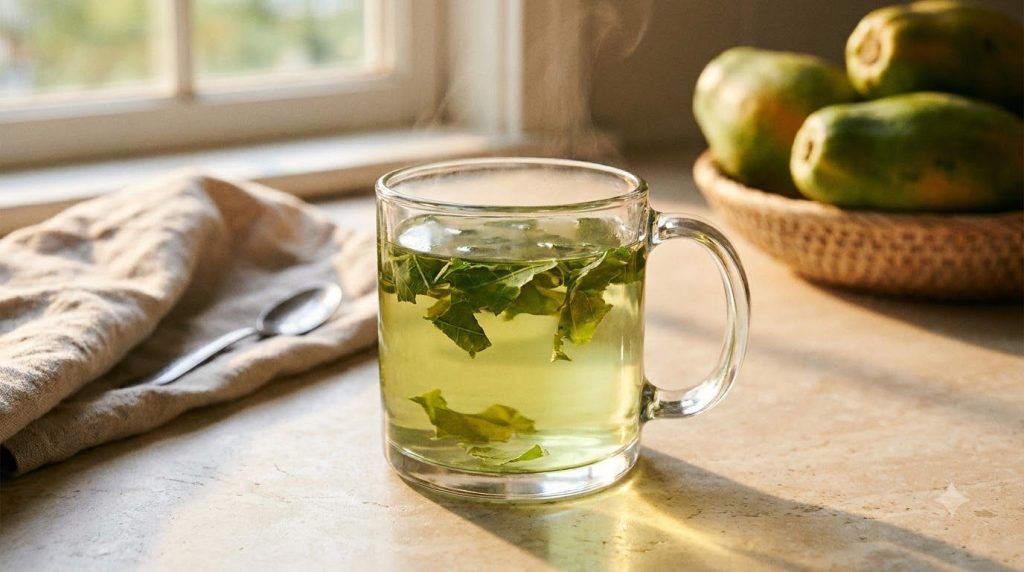
- Add the leaves and cover the cup. Steep for 8 to 10 minutes.
- Strain, let it cool slightly, and add honey or ginger if you like.
How to Use It
Drink the tea warm or at room temperature. Keep it simple, without mixing in several other herbs at once, so you can notice how it tastes and feels on your own schedule.
How Often to Use It
Many home users prepare one cup at a time and avoid daily use for long stretches. If you are new to it, start with one cup a day for a few days and stop if it does not suit you. Treat it as an occasional routine, not a constant habit.
How to Choose Ingredients
Fresh leaves should be firm, evenly green, and free of yellowing or insect damage. Dried leaves should be pale green to olive, crisp, and smell faintly grassy. Avoid dried leaves that smell musty or look dusty, since they have usually lost quality.
Fresh vs Dried Quick Reference
| Version | Best Use | Shelf Life | Flavor Notes |
|---|---|---|---|
| Fresh leaves | Same-day tea | Refrigerate up to 3 days | Greener, slightly grassy |
| Dried leaves | Batch storage | Up to 6 months in an airtight jar | Milder, more concentrated |
Storage
Dry leaves on a clean screen or in a food dehydrator at low heat until they crackle. Store them in a dark, airtight glass jar away from heat and moisture. Never store leaves in a wet jar, because mold can develop quickly.
Practical Tips
Quick Tip: Tear the leaves before steeping so more surface area releases flavor in less time.
Did You Know? Dried leaves are easier to measure consistently, which makes batch preparation more reliable.
Here is the part most people skip: Label your jar with the drying date so you know when to replace it.
Common Mistakes
- Boiling the leaves instead of steeping them, which makes the taste harsh.
- Using damaged, yellow, or sprayed leaves.
- Drying leaves incompletely, then storing them in a sealed jar where they spoil.
- Using too many leaves and assuming a stronger brew works better.
- Skipping the rinse step when leaves came from an unknown source.
Cautions and Who Should Avoid It
Papaya leaf preparations are not suitable for everyone. Avoid them if you are pregnant or breastfeeding, if you have kidney or liver conditions, or if you take prescription medication, including blood thinners or diabetes medicine. Speak with a qualified healthcare professional before using any herbal preparation regularly, and stop if you notice unusual symptoms.
Quick Summary
- Best preparation: A short steep of fresh or dried leaves in hot, not boiling, water.
- Best use case: A simple home tea for occasional use.
- Storage: Fresh leaves for up to 3 days in the fridge; dried leaves in an airtight jar for up to 6 months.
- What to avoid: Damaged or sprayed leaves, boiling, wet storage, and use if pregnant or on medication without advice.
Frequently Asked Questions
Can I use fresh or dried leaves? Yes. Fresh leaves taste greener, while dried leaves are easier to store and measure.
How long does the tea last? Brewed tea is best consumed within a few hours and kept in the refrigerator if you need to store it briefly.
Can I refrigerate the tea? You can refrigerate brewed tea for up to 24 hours in a sealed container.
Can I freeze the leaves? Freezing fresh leaves is possible, but drying them is usually more practical for long-term storage.
Which part of the plant is best? Young, healthy, mature leaves are generally preferred over old or damaged ones.
Can I reuse the leaves? A second steep is weaker and not recommended for consistent results.
How often should I drink it? Occasional use with breaks is a more cautious approach than daily use.
When should I avoid it? Avoid it during pregnancy, breastfeeding, or when taking medication without professional advice.
Conclusion
Papaya leaf tea is a practical, low-cost preparation when you keep the method simple and the dose modest. Focus on clean leaves, a gentle steep, and proper storage, and you will get a more pleasant result every time.
You may also like: Read more about simple herbal infusions in our full guide to homemade herbal teas.
Related remedy: See the full guide to drying and storing home-grown herbs for long-lasting batches.