This honey sponge cake is light, airy, and gently sweet, with a tender crumb that practically melts in your mouth. It is a classic home-baked treat that works for breakfast with tea, an afternoon snack, or a simple dessert after dinner.
Honey gives the cake a warm, mellow flavor and helps keep it moist for a day or two. The method is straightforward, so it is a good first sponge cake for beginner bakers.
Diet note: This recipe is vegetarian, not vegan, because it uses eggs, butter, milk, and honey.
Recipe Overview
- Recipe Name: Honey Sponge Cake
- Recipe Category: Dessert, Baking
- Diet Type: Vegetarian
- Prep Time: 20 minutes
- Cook Time: 25 minutes
- Total Time: 45 minutes, plus about 1 hour to cool
- Servings: 8 slices
- Difficulty Level: Easy
- Main Cooking Method: Baking
Why You’ll Love This Recipe
- Uses simple pantry ingredients.
- Soft, springy texture without special equipment.
- Naturally sweetened with honey, so the flavor is rich but not overly sugary.
- Easy to slice and serve plain or with fresh fruit.
- Keeps well for a short time, which makes it handy for guests.
Ingredients
Ingredients for one 8-inch round cake (8 servings):
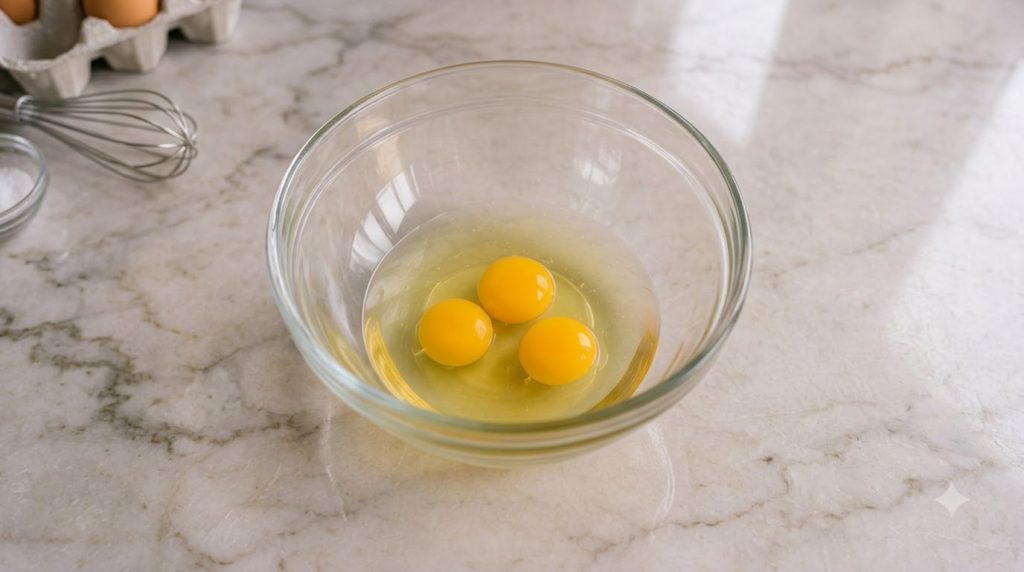
- 3 large eggs, at room temperature
- 1/2 cup (100 g) granulated sugar
- 3 tablespoons honey
- 1 teaspoon vanilla extract
- 1 cup (120 g) all-purpose flour, sifted
- 1 teaspoon baking powder
- 1/4 teaspoon fine salt
- 3 tablespoons (40 g) unsalted butter, melted and cooled slightly
- 1/3 cup (80 ml) whole milk, warm
- Butter or nonstick spray, for greasing the pan
Optional topping:
- 2 tablespoons honey, warmed
- Fresh berries or sliced fruit, for serving
Kitchen Equipment
- 8-inch round cake pan
- Parchment paper
- Electric hand mixer or stand mixer
- Large mixing bowl
- Medium mixing bowl
- Fine-mesh sieve
- Rubber spatula
- Wire cooling rack
Step-by-Step Instructions
- Preheat and prepare the pan. Heat the oven to 350°F (175°C). Grease the cake pan, line the bottom with a circle of parchment paper, and grease the paper too. This takes about 3 minutes.
- Sift the dry ingredients. In a medium bowl, sift together the flour, baking powder, and salt. Set aside. Sifting keeps the cake light and prevents lumps.
- Whip the eggs and sugar. In a large bowl, beat the eggs and sugar on medium-high speed for 4 to 5 minutes, until the mixture is pale, thick, and roughly triple in volume. When you lift the beaters, the batter should fall in a ribbon that stays visible on the surface for a few seconds.
- Add the honey and vanilla. Beat in the honey and vanilla on low speed for about 30 seconds until smooth.
- Fold in the flour. Add half the flour mixture over the egg batter. Gently fold with a rubber spatula, cutting down through the middle and turning the bowl as you go. Fold in the remaining flour the same way, stopping as soon as no dry streaks remain.
- Add the butter and milk. Mix the warm milk with the melted butter. Pour this down the side of the bowl and fold gently until just combined. The batter should be smooth, glossy, and pourable.
- Bake the cake. Pour the batter into the prepared pan and smooth the top. Bake on the middle rack for 22 to 27 minutes, until the top is golden, springs back when lightly touched, and a toothpick inserted in the center comes out clean.
- Cool the cake. Let the cake rest in the pan for 10 minutes. Run a thin knife around the edge, then turn it out onto a wire rack. Peel off the parchment and let it cool completely, about 1 hour.
- Add the honey glaze, if using. Brush the warmed honey over the top of the cooled cake. Let it soak in for a few minutes before slicing.
- Serve. Cut into 8 wedges with a sharp knife. Serve plain, with fresh berries, or with a dollop of lightly sweetened whipped cream if you like.
Nutrition Highlights
Eggs and milk provide high-quality protein and nutrients such as vitamin B12 and riboflavin. Honey adds natural sweetness, while butter contributes fat that gives the cake its tender texture. Adding fresh berries or fruit contributes fiber, vitamin C, and antioxidants. This is a dessert, so enjoy it in moderation as part of a varied, balanced diet.
Nutritional Information
Reliable per-serving values were not verified for this recipe, so no numerical estimates are listed. Values depend on the exact brands, measurements, and serving sizes you use.
Expert Tips
- Bring the eggs to room temperature so they whip to a greater volume.
- Fold gently. Overmixing after adding flour can make the cake dense and rubbery.
- Check for doneness a few minutes early. Honey makes the top brown faster than sugar alone.
- Use a light-colored honey for a mild flavor and a clear golden color.
- Warm the milk slightly, but do not hot. This helps the butter stay smooth in the batter.
Recipe Variations
- Lemon honey sponge: Add 1 teaspoon finely grated lemon zest to the egg mixture for a bright flavor.
- Lighter version: Replace the butter with 3 tablespoons of unsweetened applesauce. The texture will be slightly moister and less rich.
- Whole wheat version: Replace up to half the all-purpose flour with whole wheat pastry flour. The cake will be a little denser.
- Vegan adaptation: This is not a vegan recipe as written. A vegan version would need a different egg replacement, plant-based milk, and a plant-based fat, and the result would have a different texture.
Storage Instructions
Store the cooled cake in an airtight container at room temperature for up to 2 days. For longer storage, keep it in the refrigerator for up to 4 days, covered well, and let slices come to room temperature before serving. Refrigerated cake can dry out slightly. To freeze, wrap cooled slices tightly in plastic wrap and place them in a freezer bag for up to 1 month. Thaw at room temperature. Reheat any slice for 10 to 15 seconds in the microwave if you want it warm.
Common Mistakes to Avoid
- Deflated batter: This happens when the eggs are not whipped long enough or the flour is folded too aggressively. Whip until the batter is thick and pale, and fold with slow, gentle strokes.
- Dense or gummy crumb: Usually caused by overmixing or underbaking. Bake until a toothpick comes out clean and the top springs back.
- Cake sticking to the pan: Happens when the pan is not greased and lined. Always grease the sides and line the base with parchment.
- Greasy texture: Butter that is too hot can deflate the batter. Let melted butter cool slightly before adding it.
Frequently Asked Questions
- Is this recipe vegan? No. It contains eggs, butter, milk, and honey, so it is vegetarian.
- Can I use a different sweetener? Maple syrup can replace the honey in a similar amount, but the flavor and color will be different.
- Can I make this ahead of time? Yes. Bake it up to one day ahead and store it covered at room temperature.
- Why did my cake sink in the middle? The oven may have been too cool, or the cake was opened too early. Keep the oven door closed until the cake is nearly done.
- Can I bake this in a loaf pan? Yes. Use a 9 by 5 inch pan and check for doneness a few minutes earlier than the times listed for a round cake.
Conclusion
This honey sponge cake is simple to make and rewarding to share. With a soft, springy crumb and gentle honey flavor, it suits everyday snacks and special occasions alike.
Gather a few pantry staples, follow the steps carefully, and you will have a homemade cake that tastes like it came from a bakery.