There is something so comforting about making your own beauty helpers at home. A few simple ingredients from your kitchen or bathroom shelf can turn into a cozy self-care ritual, and it is a lovely way to slow down. Today we are talking about two popular natural ingredients, clove and lemon, and how to think about them safely before you try anything new on your skin.
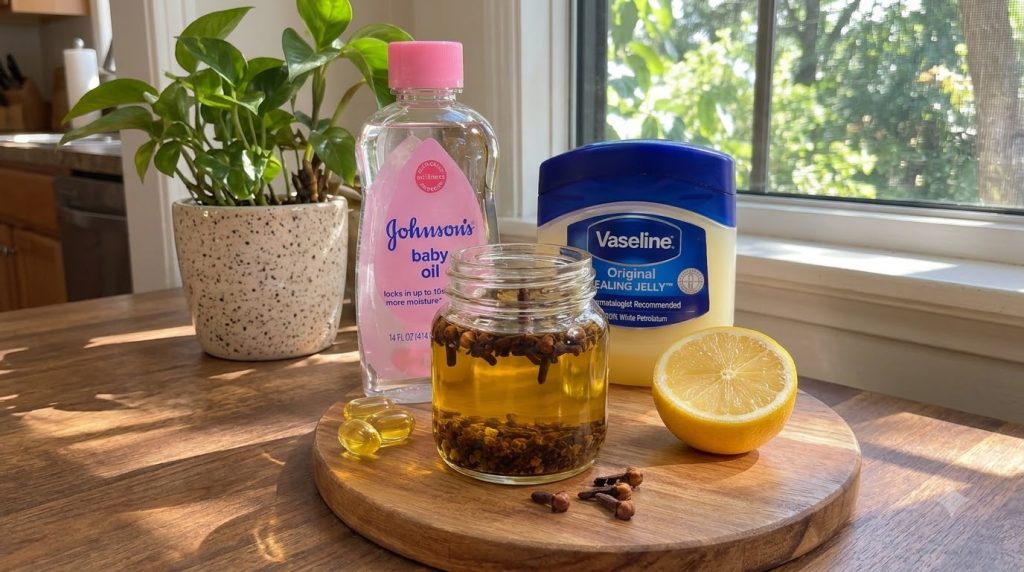
What Is Clove-Infused Oil?
Clove-infused oil is made by steeping whole cloves in a carrier oil, such as sweet almond oil or another gentle plant oil, for a few days or weeks. Cloves are naturally rich in aromatic compounds, so the oil takes on a warm, spicy scent. Many people enjoy it as part of a relaxing home spa moment, but it is also a strong ingredient, so a little goes a long way.
Why Lemon Shows Up in Brightening Routines
Lemon is a favorite in natural beauty circles because it is bright, fresh, and full of vitamin C. Some people like to use a very diluted lemon mix to help their skin look more even and glowing. The key word here is diluted. Fresh lemon juice on its own can be harsh and may sting or dry out sensitive skin.
Safety First: Do a Patch Test
Before you spread anything new on your face, try a patch test. Apply a tiny amount of your diluted mix to the inside of your forearm or behind your ear and wait 24 hours. If you notice redness, itching, burning, or swelling, wash the area with water and skip the mix. Clove can be irritating for many skin types, so be extra gentle if your skin is sensitive, reactive, or prone to eczema.
Gentle Tips for Using Clove and Lemon
- Always dilute clove oil in a carrier oil and avoid putting it straight on the skin.
- Keep lemon mixes light, mix them with water or a soothing ingredient, and use them only on small areas at first.
- Apply lemon-based products in the evening, since lemon can make skin more sensitive to sunlight.
- Avoid the eye area, lips, and any broken or irritated skin.
- Stop using any home remedy if irritation continues, and speak with a dermatologist if you have concerns about your skin.
Building a Simple Self-Care Routine
Home remedies work best as a small part of a steady routine, not as a quick fix. Start with a gentle cleanser, a good moisturizer, and daily sunscreen. Add a home remedy only once or twice a week so you can see how your skin responds. Consistency, hydration, good sleep, and a balanced diet often do more for a glowing look than any single ingredient.
Common Mistakes to Avoid
One common mistake is using too much clove oil because you hope for faster results. Another is leaving lemon on the skin and then heading out into the sun. Many beginners also skip the patch test and then wonder why their skin feels tight or irritated. Taking it slow and listening to your skin is the best approach.
The Bottom Line
Crafting natural home remedies can be a fun, budget-friendly way to care for yourself. Clove oil and lemon can be part of a thoughtful routine when they are diluted, tested first, and used with care. Keep your expectations realistic, enjoy the calming process, and choose the approach that feels comfortable and safe for your skin.