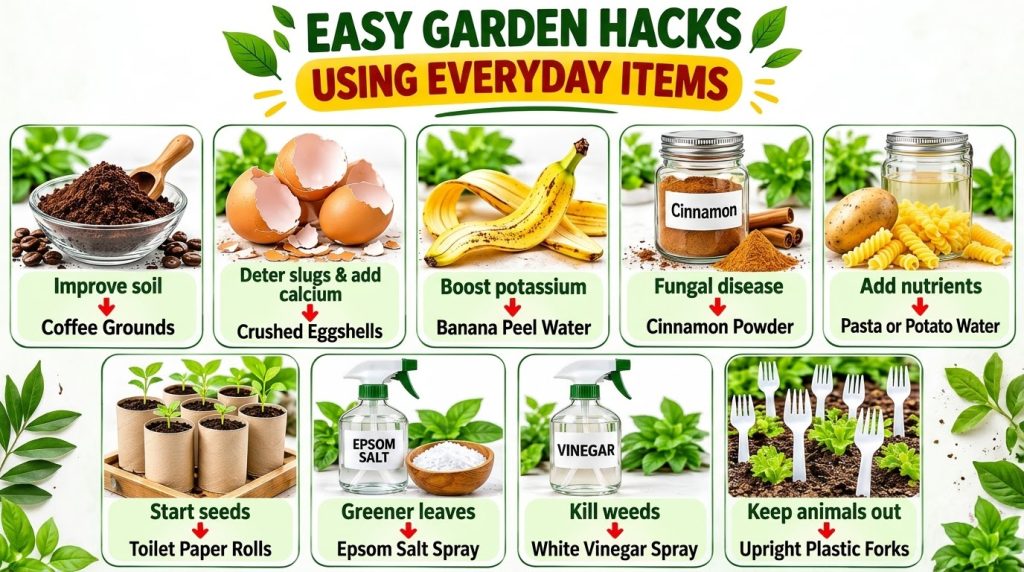
Few kitchen leftovers are as easy to reuse as used coffee grounds. Before you toss yesterday’s morning brew, consider how they might support your tomatoes and the soil they grow in. This guide explains what coffee grounds can offer, how to use them wisely, and which mistakes to avoid.
Why Gardeners Reuse Coffee Grounds
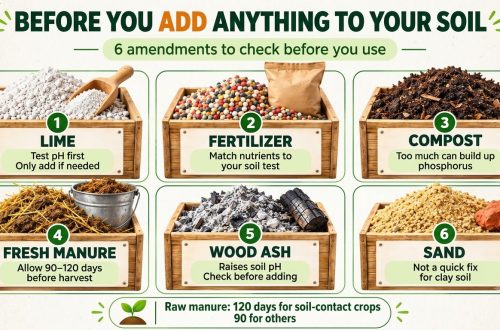
Gardeners have long looked for practical ways to reduce kitchen waste and feed their soil naturally. Used coffee grounds are rich in organic matter, and when they break down, they help improve soil structure and support the living organisms that keep soil healthy. For anyone interested in organic gardening, they are an accessible starting point.
What Coffee Grounds Offer Your Soil
Coffee grounds add organic material to the soil, which can help it hold moisture and crumble more easily over time. They also contain small amounts of nutrients such as nitrogen, though the quantity is modest. It is best to think of coffee grounds as a gentle soil amendment rather than a fertilizer that delivers quick results. Their benefits build slowly, especially when they are combined with compost and other organic materials.
How to Use Coffee Grounds on Tomatoes
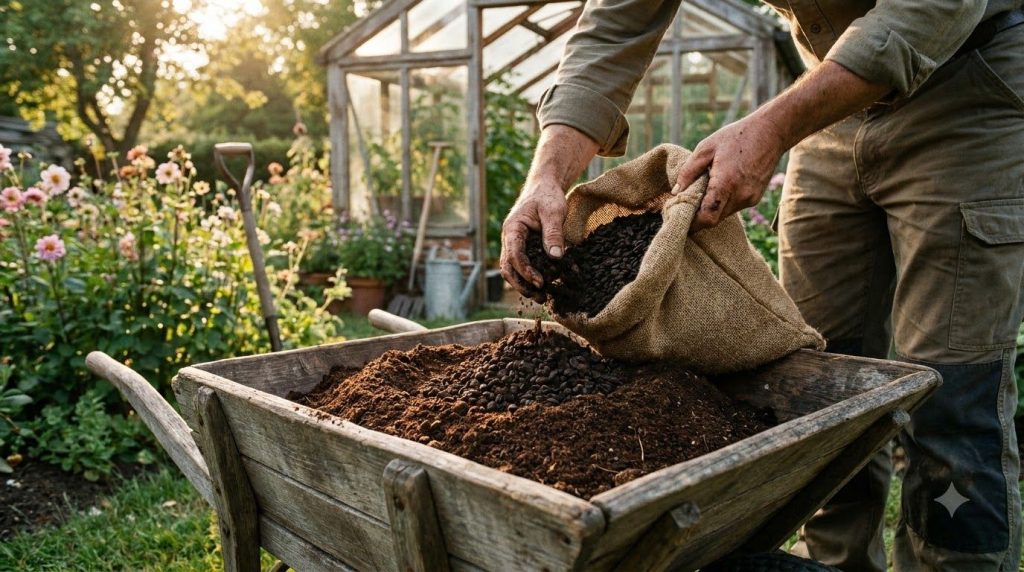
The safest approach is to mix coffee grounds into your soil or compost rather than leaving them as a thick layer on top of the bed. Here is a simple method to follow:
- Collect used grounds from your brewing routine and let them cool. Spread them on a tray to dry if they feel very wet.
- Combine them with dry leaves, kitchen scraps, or other compost materials so they break down evenly.
- Work a thin amount into the top few inches of soil around your tomato plants, keeping the grounds away from the stems.
- Water lightly afterward so the grounds settle in and stay in place.
Common Mistakes to Avoid
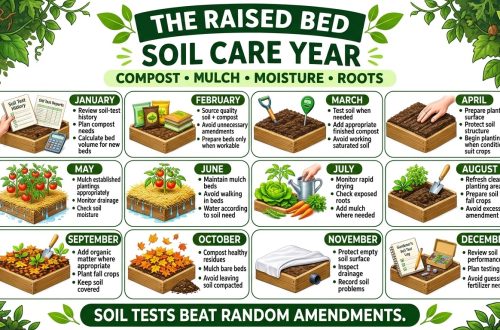
Coffee grounds are helpful only when used in moderation. Piling them thickly on the soil surface can form a dense crust that blocks water and air from reaching roots. Using too much at once may also disrupt the balance of your soil. Coffee grounds should never be treated as a cure for poor soil or plant disease. Regular soil testing, healthy watering habits, and a steady supply of compost will do far more for your tomatoes than any single household hack.
Final Thoughts
Used coffee grounds can be a simple, low-cost way to add organic matter to your garden while reducing kitchen waste. Use them in small amounts, mix them well, and keep an eye on how your plants and soil respond. With patience and consistent care, your tomato bed can grow stronger season after season. If you have tried this hack in your own garden, share your experience with other gardeners in the comments.