Dry, pale, or darkened lips are more common than people admit.
Weather, dehydration, lipstick chemicals, and even stress quietly strip lips of moisture and color.
That is why hibiscus flower has been used for generations as a natural lip remedy in many Asian and tropical cultures.
This deep red flower does more than stain. It nourishes, softens, and restores lips naturally – without synthetic dyes. Unlike chemical tints, hibiscus does not block pores or dry the skin.
This is a supportive remedy, not a medical treatment.
What Hibiscus Flower Does Inside the Skin
Hibiscus petals are rich in compounds that directly benefit delicate lip skin.
They contain natural alpha-hydroxy acids (AHAs) that gently exfoliate dead skin cells.
They are packed with anthocyanins, the pigments responsible for the deep red color, which help improve circulation and give lips a healthy flush.
They also provide vitamin C and antioxidants, which support collagen and protect against dryness.
Together, these effects make lips look smoother, plumper, and naturally pink over time.
Simple Hibiscus Lip Paste Preparation
This remedy uses only hibiscus flower and a small amount of liquid.
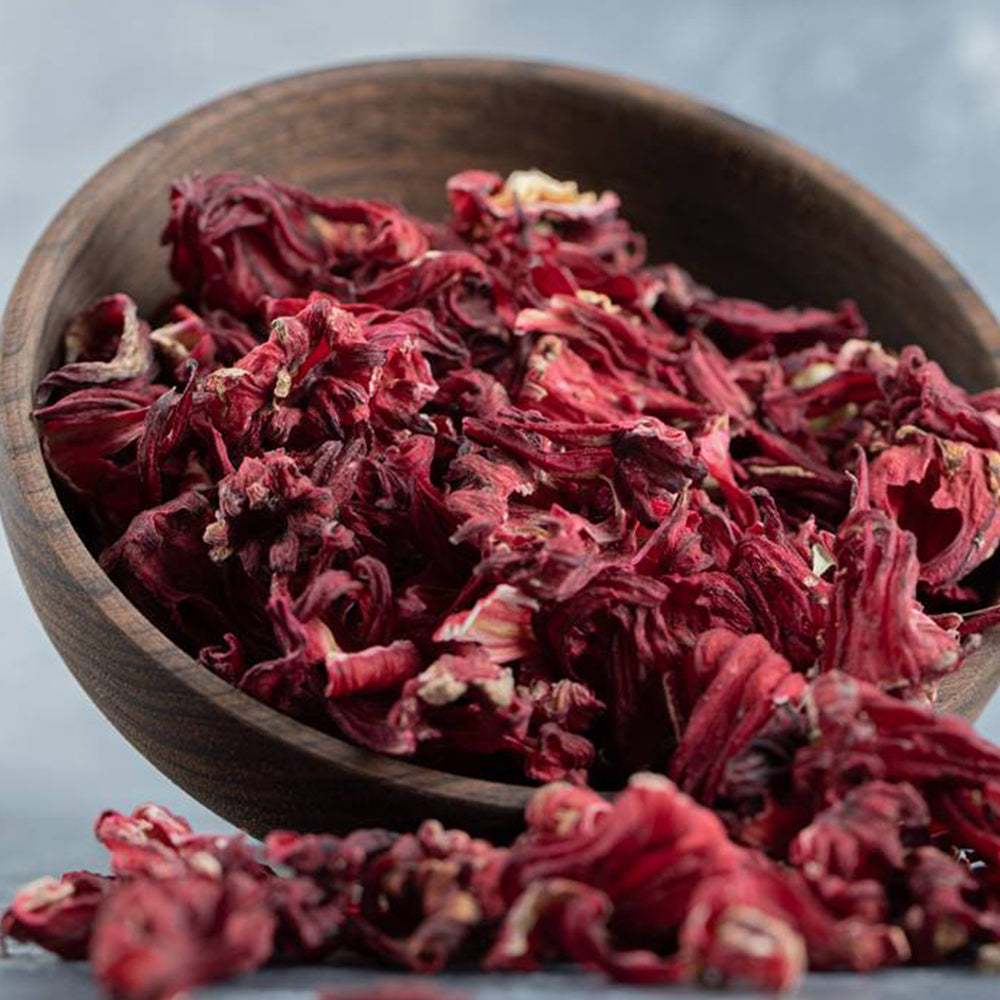
Fresh or dried hibiscus petals both work.
Ingredients
- 2 tablespoons dried hibiscus petals
- 1 to 2 teaspoons warm water, rose water, or coconut oil
Optional additions if desired:
- A few drops of honey for extra moisture
- A few drops of almond oil for overnight lip care
How to Make Hibiscus Lip Paste
- Grind dried hibiscus petals into a fine powder using a blender or mortar.
- Place the powder in a small bowl.
- Add liquid slowly until a thick, smooth paste forms.
- Store in a clean glass jar in the refrigerator for up to 5 days.
The paste should be rich red and smooth, not watery.
How to Use And Best Time to Apply
- For daily lip care:
Apply a thin layer to clean lips.
Leave on for 10 to 15 minutes.
Rinse gently with lukewarm water and apply a light balm.
- For natural lip tint:
Apply a slightly thicker layer.
Leave on for 20 minutes.
Blot gently instead of rinsing.
- For overnight repair:
Mix hibiscus paste with a few drops of oil.
Apply before bed and wipe off in the morning.
The best time to use this remedy is at night, when lips regenerate naturally.

Why Hibiscus Works
In traditional herbal care, hibiscus is known as a cooling and blood-nourishing plant.
It was used to improve complexion, soothe heat-related dryness, and enhance natural color.
Modern research supports this use.
- The natural acids gently resurface the lips without harsh scrubbing.
- Anthocyanins stimulate microcirculation, giving lips a soft, flushed tone.
- Antioxidants protect the thin lip barrier from environmental stress.
Unlike chemical tints, hibiscus does not block pores or dry the skin.
Who Benefits Most from This Remedy
This hibiscus lip treatment is especially helpful for:
- People with chronically dry or peeling lips
- Lips darkened from sun exposure or smoking
- Those sensitive to commercial lip products
- Anyone seeking a natural, makeup-free lip glow
It is suitable for both women and men.
Simple Safety Notes & Adjustments
Always perform a small patch test before first use.
Avoid using on cracked or bleeding lips.
Do not overuse exfoliating effects more than once daily.
If irritation occurs, stop and dilute with oil next time.
This is a supportive remedy, not a medical treatment.
Final Takeaway
Hibiscus flower is not just beautiful.
It is a gentle, plant-based solution for naturally soft and rosy lips that has stood the test of time.
If you prefer simple, effective care without chemicals, this remedy is worth trying.