Most people already know that ginger is “good for digestion” or cinnamon “helps blood sugar.”
But that’s surface-level knowledge.
What most people don’t realize is that medicinal spices only work when they match your body’s current state — digestion speed, inflammation level, hormones, sleep rhythm, or nutrient absorption.
That’s why some people swear by a spice… while others feel nothing.
Below is how common medicinal spices actually work inside the body, and when they’re most effective.
Cayenne Pepper: Circulation Support (Not for Everyone)
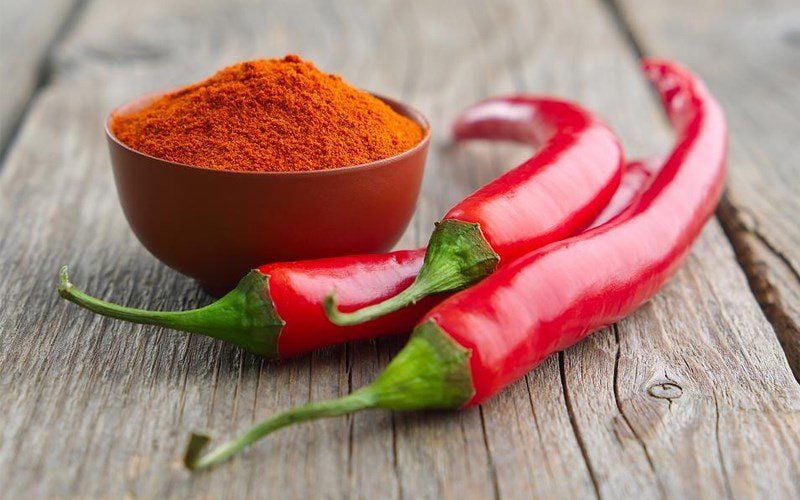
Cayenne doesn’t just “heat the body.” It stimulates blood flow by activating capsaicin receptors, which increase circulation and oxygen delivery.
Works best if you:
-
Feel cold easily
-
Have sluggish circulation
-
Experience heavy limbs or slow metabolism
Avoid or limit if you:
-
Have acid reflux
-
Already feel overheated or inflamed
This explains why cayenne often appears in searches like natural circulation boosters or spices for metabolism.
Black Pepper (Peppercorn): Nutrient Absorption Amplifier
Peppercorn’s real power is piperine, a compound that increases the absorption of other nutrients — especially curcumin from turmeric.
That’s why turmeric without black pepper is often ineffective.
People looking into how to absorb supplements better or spices that increase bioavailability usually land here.
Best used:
-
With turmeric
-
With fat-soluble nutrients
-
In small daily amounts
Nutmeg: Sleep & Nervous System Regulation
Nutmeg supports the nervous system by interacting with serotonin and melatonin pathways.
Helpful when:
-
Sleep feels light or restless
-
You feel mentally overstimulated at night
Important: Only tiny amounts. Too much nutmeg can cause side effects, which is why it’s often mentioned in natural sleep remedies with caution.
Fenugreek: Hormone & Blood Sugar Balance
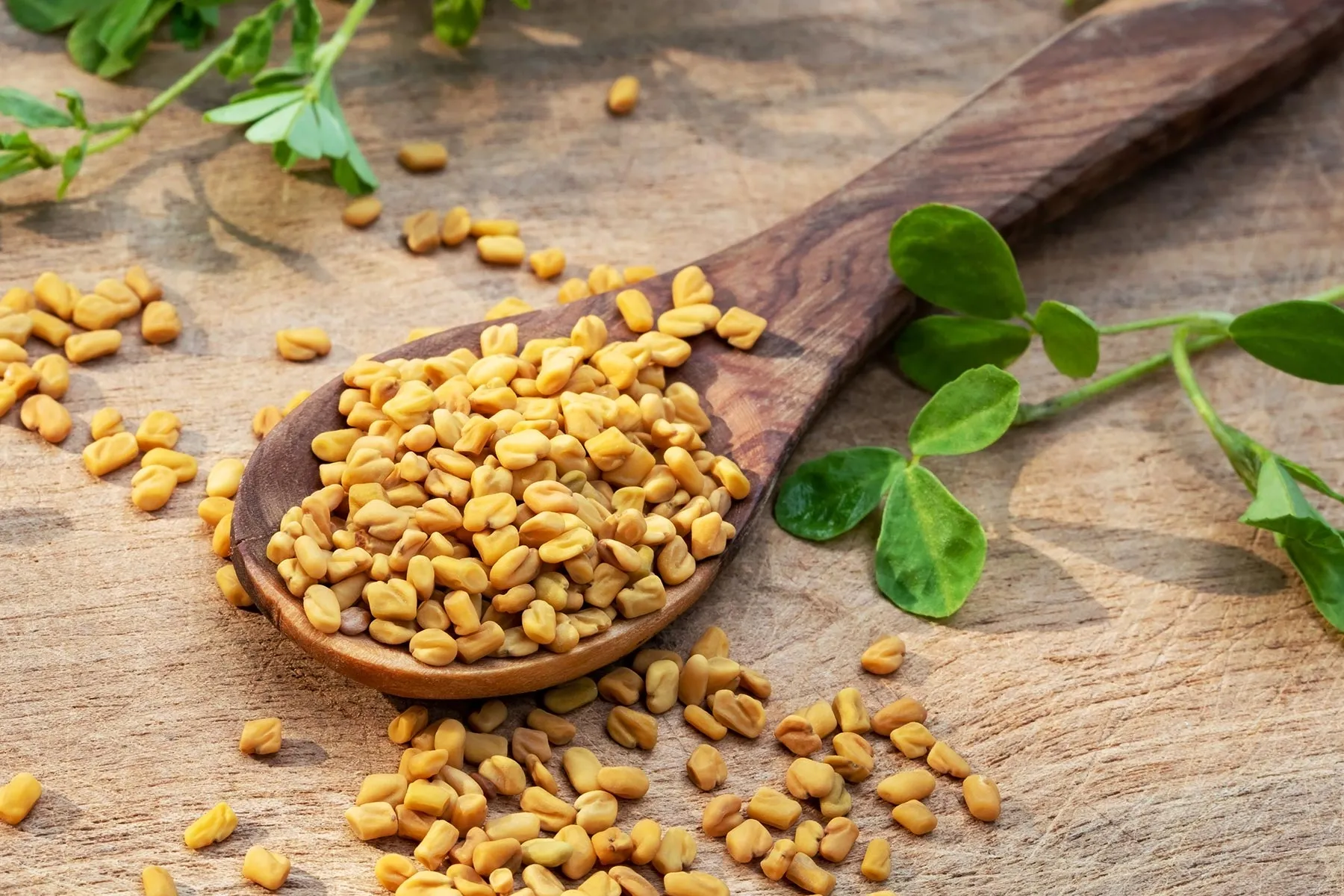
Fenugreek slows carbohydrate absorption and supports insulin sensitivity.
This makes it popular in searches related to hormone balance foods and blood sugar regulation naturally.
Often used by:
-
People with blood sugar swings
-
Those dealing with hormonal imbalance
-
Women in postpartum recovery
Cinnamon: Blood Sugar Control (Timing Matters)
Cinnamon helps stabilize glucose levels after meals, not randomly.
Most effective when:
-
Consumed with or after carb-heavy meals
-
Used consistently, not occasionally
This explains why cinnamon shows up in diabetes-friendly spice and blood sugar support research.
Ginger: Digestion Support vs Inflammation Relief
Ginger works differently depending on form and timing.
-
Fresh ginger: digestion, nausea relief
-
Dried ginger: anti-inflammatory support
People searching ginger for bloating vs ginger for inflammation often get confused — but the form matters.
Turmeric: Inflammation Balance (Not a Quick Fix)
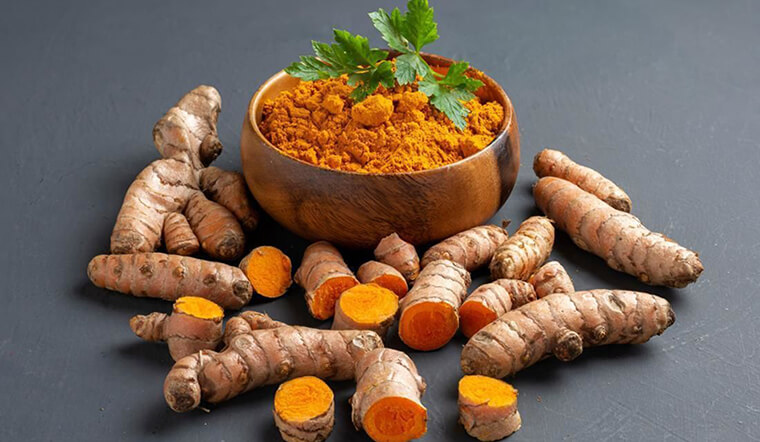
Turmeric supports long-term inflammation balance, not instant pain relief.
It’s most effective when:
-
Paired with black pepper
-
Taken consistently over weeks
This is why turmeric appears in joint health supplements and anti-inflammatory diets rather than quick remedies.
Fennel Seeds: Gut & Skin Connection
Fennel reduces gas formation and supports smoother digestion, which indirectly improves skin clarity.
Often linked to:
-
bloating relief
-
gut-skin connection
-
post-meal digestion support
Chewing fennel seeds after meals isn’t cultural habit — it’s functional.
Cloves: Antimicrobial & Oral Health Support
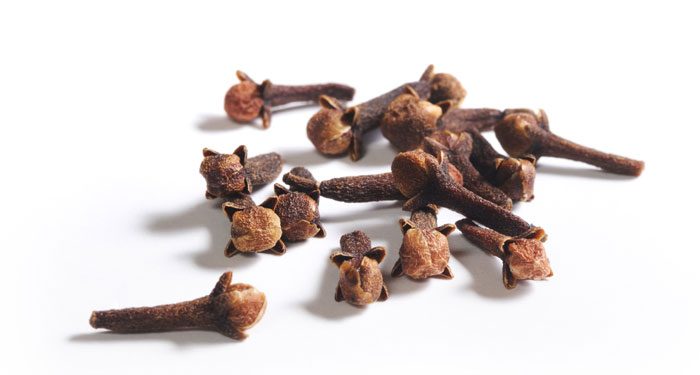
Cloves contain eugenol, a natural antimicrobial compound.
They’re commonly explored in:
-
natural oral care
-
gut microbial balance
-
immune support spices
This is why clove oil is still used in dental care.
Why Medicinal Spices Don’t Work for Everyone
Spices aren’t magic ingredients.
They support specific systems, not all bodies equally.
Your digestion speed, inflammation level, stress, and sleep quality determine whether a spice helps or backfires.
That’s why many people eventually search deeper into:
-
herbal supplements
-
standardized extracts
-
dosage-controlled formulas
Final Thought
Medicinal spices work best when you stop asking “Is this spice healthy?”
and start asking “What does my body need right now?”
That’s where real results begin.
Sources
-
National Institutes of Health – Bioactive compounds in spices
https://www.ncbi.nlm.nih.gov/pmc/
-
Healthline – Evidence-based spice benefits
https://www.healthline.com/nutrition
-
Medical News Today – Ginger, turmeric & inflammation
https://www.medicalnewstoday.com