If you’ve ever bought a hair tonic spray and wondered what’s actually in it, you’ll love these simple DIY versions. This DIY hair tonic guide walks you through three easy, water-based scalp sprays using common ingredients: curry leaves + aloe, rosemary + vitamin E, and ginger + lemon.
They’re quick to make, inexpensive, and easy to fit into a weekly routine. Just remember: these are fresh, water-based mixes, so storage matters.

DIY hair tonic basics (before you start)
A DIY hair tonic is usually a lightweight scalp spray you apply to clean or slightly damp hair. Think of it as “scalp care,” not a heavy oil treatment.
To make your tonics feel (and spray) better, a few basics help:
-
Use distilled water (helps the mix stay fresher than tap water).
-
Use a fine-mist spray bottle (amber glass is a nice upgrade, but any clean bottle works).
-
Strain well (a mesh strainer or coffee filter prevents clogged sprayers).
-
Label your bottle with the date.
Recipe 1: Curry Leaf + Aloe Tonic (supports less breakage-looking hair fall)
This one is popular for a reason: it’s soothing, lightweight, and easy to use after showers.
Ingredients (makes about 4 oz / 120 ml)
-
1 cup water (distilled is best)
-
1 packed handful curry leaves (fresh is ideal; dried can work)
-
1/2 to 1 teaspoon clear aloe vera gel (alcohol-free if possible)
Steps
-
Add curry leaves and water to a small pot.
-
Bring to a gentle simmer for 10 minutes.
-
Turn off heat and let it steep for 15–20 minutes.
-
Strain very well and cool completely.
-
Stir in aloe vera gel (start with 1/2 teaspoon so it stays sprayable).
-
Pour into a clean spray bottle using a small funnel.
How to use
-
Spray onto scalp in sections, then massage for 30–60 seconds (a scalp massager brush works well).
-
Use 3–4 times per week on clean scalp or the morning after wash day.
-
Leave in, unless your scalp feels sticky (then rinse after 30 minutes).
Recipe 2: Rosemary + Vitamin E Tonic (supports the look of fuller hair over time)
Rosemary is a classic “scalp care” herb. Vitamin E adds a conditioning feel, but it won’t fully dissolve in water, so you’ll need to shake.
Ingredients (makes about 4 oz / 120 ml)
-
1 cup hot water (distilled is best)
-
2 tablespoons dried rosemary (or 2–3 fresh sprigs)
-
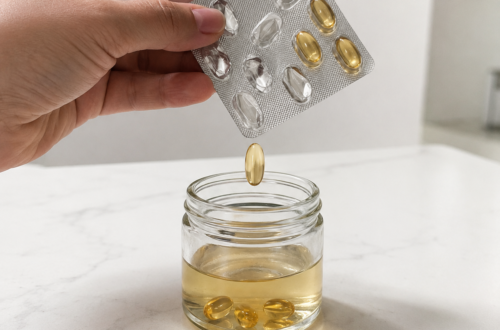
1 vitamin E capsule (often 400 IU; any basic capsule works)
Steps
-
Add rosemary to hot water and steep for 30 minutes.
-
Strain extremely well and cool completely.
-
Pierce the vitamin E capsule and squeeze contents into the cooled rosemary water.
-
Shake hard before pouring into a spray bottle.
-
Label and refrigerate.
How to use
-
Shake before every spray (vitamin E may float).
-
Spray scalp lightly after showering, 2–4 times per week.
-
Massage in for 1 minute. Leave in.
Tip: If you hate the “floaty” vitamin E feel, skip it and use just rosemary water, or apply vitamin E separately to hair ends (not scalp).
Recipe 3: Ginger + Lemon Tonic (for a fresher-feeling scalp and visible flakes)
Ginger can feel “tingly,” and lemon is acidic, so dilution is everything here. Start gentle.
Ingredients (makes about 4 oz / 120 ml)
-
1 cup water (distilled is best)
-
6–8 thin slices fresh ginger
-
1 teaspoon lemon juice (start low; you can increase to 2 teaspoons if your scalp tolerates it)
Steps
-
Simmer ginger slices in water for 10–12 minutes.
-
Turn off heat and steep for 10 minutes.
-
Strain well and cool completely.
-
Stir in lemon juice.
-
Bottle and refrigerate.
How to use
-
Spray lightly onto scalp (avoid eyes).
-
Leave on 10–20 minutes, then rinse and shampoo if needed.
-
Use 1–2 times per week max at first.
If your scalp gets dry or tight, reduce lemon or switch to ginger-only.
Common mistakes (and easy fixes)
-
Not straining enough → Your sprayer clogs.
Fix: Use a mesh strainer, then strain again through a coffee filter. -
Using too much aloe gel → Sticky scalp and uneven spray.
Fix: Use 1/2 teaspoon per 4 oz, or swap to aloe juice. -
Adding vitamin E to hot liquid → Weird texture and wasted product.
Fix: Always add vitamin E after the tonic is fully cooled. -
Overusing lemon → Dryness, irritation, or stinging.
Fix: Start with 1 teaspoon per 4 oz and don’t use daily. -
Storing at room temp → Spoilage risk.
Fix: Refrigerate and make small batches.
Safety notes (please don’t skip)
-
Do a patch test (inner arm or behind ear) for 24 hours before scalp use.
-
Avoid broken skin, active irritation, and getting any tonic in your eyes.
-
Citrus (like lemon) can be irritating for sensitive scalps. If you feel burning, rinse immediately.
-
These are fresh, water-based mixes. Store in the fridge and use within 5–7 days.
-
If you have persistent itching, heavy flaking, or sudden shedding, consider checking in with a dermatologist to rule out scalp conditions.
Simple weekly routine (easy to stick with)
If you want a low-effort plan:
-
Wash day: Rosemary + vitamin E tonic (light spray, leave-in)
-
Midweek: Curry leaf + aloe tonic (spray + quick massage)
-
Weekend: Ginger + lemon tonic (short treatment, then rinse)
You don’t need all three. Pick the one your scalp likes and be consistent.
Buying guide: what to look for (so your DIY tonic works better)
A few smart purchases make DIY tonics easier and cleaner:
-
Fine-mist spray bottle: Helps even coverage. An amber glass bottle can be a nice option if you make tonics often.
-
Distilled water: Cheap and useful for any water-based beauty mix.
-
Aloe vera gel: Look for a clear, simple formula (ideally alcohol-free and lightly scented or fragrance-free).
-
Rosemary: Dried rosemary leaves are convenient; fresh sprigs work too. If you shop online, check reviews for freshness.
-
Vitamin E capsules: Basic softgels are fine. If you dislike the feel in water, use fewer capsules or skip it.
-
Ginger + lemon: Fresh ginger root is best. For lemon, bottled is convenient, but fresh-squeezed often smells better.
If you’re comparing options, think “clean + simple + easy to strain” over trendy extras.
FAQ
What’s the best DIY hair tonic to start with?
Most people start with rosemary water because it’s simple, lightweight, and easy to tolerate.
Can I use these tonics every day?
Start with 2–4 times per week. Daily use can be too much for some scalps, especially the ginger + lemon mix.
Do I have to refrigerate a DIY hair tonic?
Yes. These are water-based and don’t contain a real preservative system. Refrigeration helps reduce spoilage risk.
How long do homemade hair tonics last?
Plan for 5–7 days in the fridge. If you want to prep ahead, freeze extra in an ice cube tray and thaw as needed.
Can I use tap water instead of distilled water?
You can, but distilled is safer for freshness and consistency (especially if your tap water is hard).
Will vitamin E dissolve in rosemary water?
Not fully. Vitamin E is oil-based, so it may float. Shake before each spray, or skip vitamin E and keep the tonic purely herbal.
What if my scalp stings after using the ginger + lemon tonic?
Rinse right away and reduce (or remove) lemon next time. Some people’s scalps are sensitive to acidic mixes.
Can I apply these to hair lengths too?
You can mist lightly, but these recipes are designed for the scalp. If your ends feel dry, a separate lightweight hair oil or leave-in conditioner may suit better.



Hi mates, its wonderful piece of writing regarding cultureand
entirely defined, keep it up all the time.