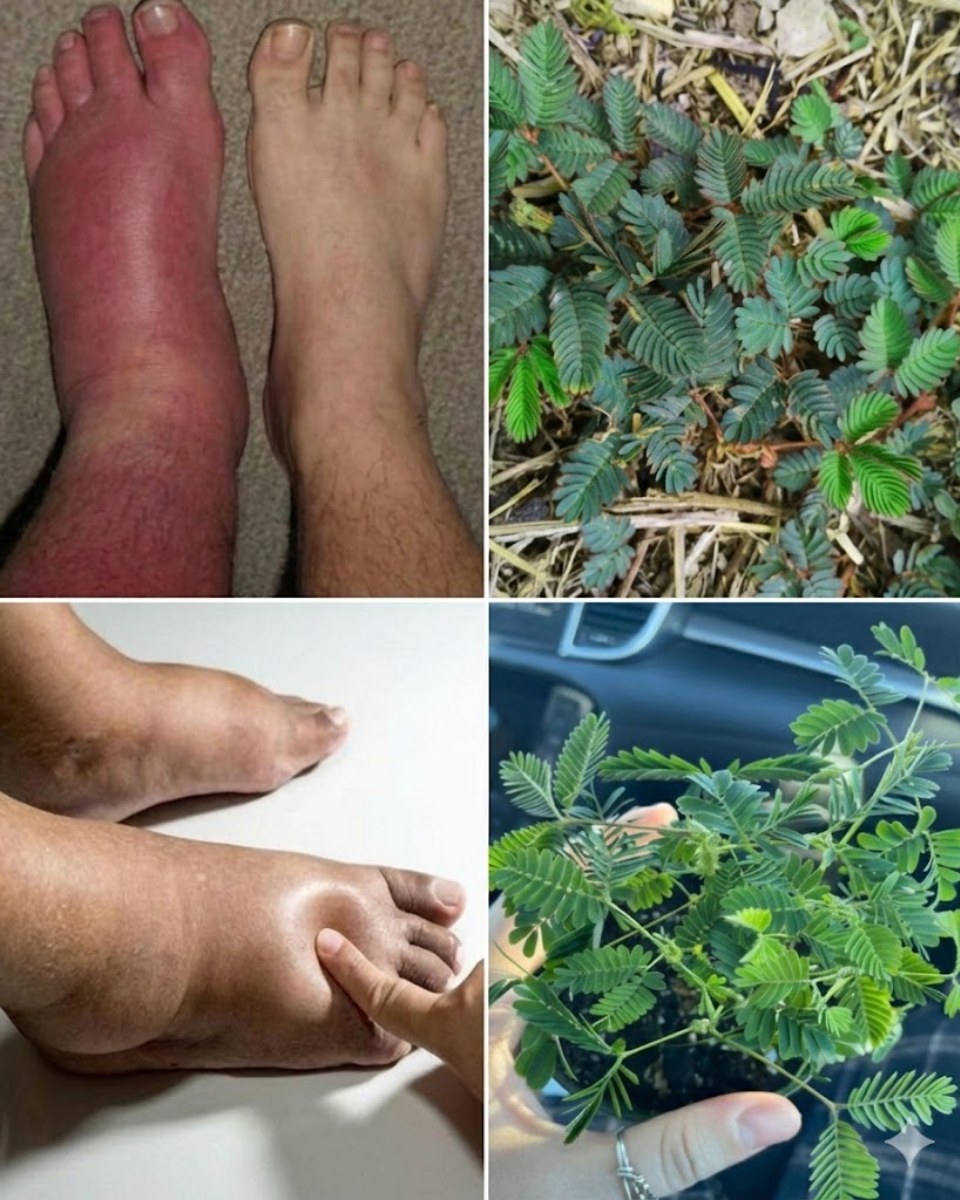
Swelling in the feet, redness, or that uncomfortable tight feeling can be frustrating.
Many people immediately think of medication, but traditional herbal practices often turn to something much simpler Mimosa pudica, also known as the “sensitive plant.”
What makes this plant fascinating is how it reacts to touch yet inside the body, it may help calm irritation and support fluid balance.
Most people never realize this works because it’s seen as just a roadside plant, but in traditional medicine, it has been used for inflammation, skin irritation, and internal balance.
What This Herb Does Inside the Body
Mimosa pudica has been traditionally used to support:
- Inflammation control – helps calm redness and swelling
- Fluid balance – supports the body in managing excess water retention
- Gut and immune support – often used in cleansing protocols
- Skin soothing effects – applied topically in some traditions
Its leaves and stems contain plant compounds like:
- Flavonoids
- Alkaloids
- Tannins
These compounds are associated with anti-inflammatory and antioxidant effects.
Simple Preparation Method
Herbal Tea (Most Common Use)
Ingredients:
- 1 handful fresh Mimosa pudica leaves (or 1 teaspoon dried)
- 1 cup hot water
Steps:
- Wash the leaves thoroughly
- Add them to hot (not boiling) water
- Let steep for 10–15 minutes
- Strain before drinking
Topical Paste (For External Use)
Ingredients:
- Fresh Mimosa leaves
- A few drops of clean water
Steps:
- Crush leaves into a paste
- Apply gently to affected skin
- Leave for 10–15 minutes, then rinse
When to Use It
- During mild swelling or fluid retention
- When experiencing skin irritation or redness
- After long periods of standing or heat exposure
- As part of a gentle herbal routine
Why It Works (Clear Explanation)
1. Anti-Inflammatory Action
Mimosa pudica contains natural compounds that help calm the body’s inflammatory response. This may reduce visible swelling and discomfort.
2. Astringent Properties
The tannins in the plant create a mild tightening effect on tissues, which can help reduce fluid buildup and support skin recovery.
3. Antioxidant Support
Antioxidants help protect cells from stress and damage, which is often linked to inflammation and swelling.
4. Traditional Detox Support
In herbal systems, Mimosa pudica is used to support the body’s natural elimination processes, especially through the digestive system.
Who May Benefit Most
This remedy may be helpful for:
- People with mild swelling in feet or ankles
- Those experiencing heat-related inflammation
- Individuals with sensitive or reactive skin
- People looking for gentle, plant-based support
When You’ll Notice Changes
- Short-term (same day): Cooling, soothing sensation on skin
- 2–3 days: Reduced mild swelling (if used consistently)
- 1 week+: More noticeable comfort and balance
Safety Notes
- Do not use on open wounds without guidance
- Avoid during pregnancy or breastfeeding
- Not a replacement for medical care in cases like:
- Severe swelling
- Infection
- Circulatory disorders
Always start with a small amount to check sensitivity.
Final Takeaway
Mimosa pudica is a simple, traditional plant that offers gentle support for inflammation and fluid balance.
It won’t act like a fast-acting drug but used consistently, it may help your body restore comfort naturally.
Here is the FAQ section in clean text format you can directly add to your WordPress blog for this Mimosa pudica swelling remedy post:
Frequently Asked Questions (FAQs)
1. What is Mimosa pudica used for in traditional remedies?
Mimosa pudica has traditionally been used to support inflammation relief, skin soothing, digestive balance, and mild fluid retention. It is often included in herbal routines for overall body balance and comfort.
2. Can Mimosa pudica help reduce swelling in the feet?
In traditional use, Mimosa pudica is believed to help reduce mild swelling due to its anti-inflammatory and astringent properties. It may support fluid balance and help calm irritated tissues.
3. How do you prepare Mimosa pudica tea?
To make the tea, use a small handful of fresh leaves (or 1 teaspoon dried), add hot water, and let it steep for 10–15 minutes. Strain and drink once or twice daily.
4. Can Mimosa pudica be applied to the skin?
Yes, it is traditionally used as a paste for external application. Fresh leaves are crushed and applied gently to the skin to help soothe irritation or redness.
5. How long does it take to see results?
Some people may feel a soothing effect quickly when applied topically. For internal use, mild improvements in swelling or comfort may appear after a few days, with better results after consistent use for about a week.
6. Is Mimosa pudica safe for daily use?
It is generally used in small amounts in traditional practices. However, it should not be overused, and individuals with health conditions or those taking medication should consult a healthcare professional first.
7. Who should avoid using Mimosa pudica?
Pregnant or breastfeeding individuals, and those with serious medical conditions or severe swelling, should avoid using it without medical advice.
8. Can this remedy replace medical treatment?
No. Mimosa pudica is a supportive herbal remedy, not a replacement for medical care. Persistent swelling, severe pain, or signs of infection should be evaluated by a healthcare professional.
Quick Takeaway
Mimosa pudica works best as a gentle, supportive remedy, helping the body restore balance over time rather than providing instant results.