Senna leaf tea has been used for centuries in traditional herbal wellness practices, especially as a natural laxative tea and digestive support drink. Many people searching for herbal tea for digestion or herbal remedies for bloating are curious about how senna works and whether it’s safe for regular use.
Made from the leaves of the senna plant, this herbal preparation is commonly associated with:
- temporary constipation relief
- digestive stimulation
- short-term bowel support
This guide explains:
- senna leaf tea benefits
- how to make senna tea
- traditional uses
- potential side effects
- who should avoid it
- safe usage considerations
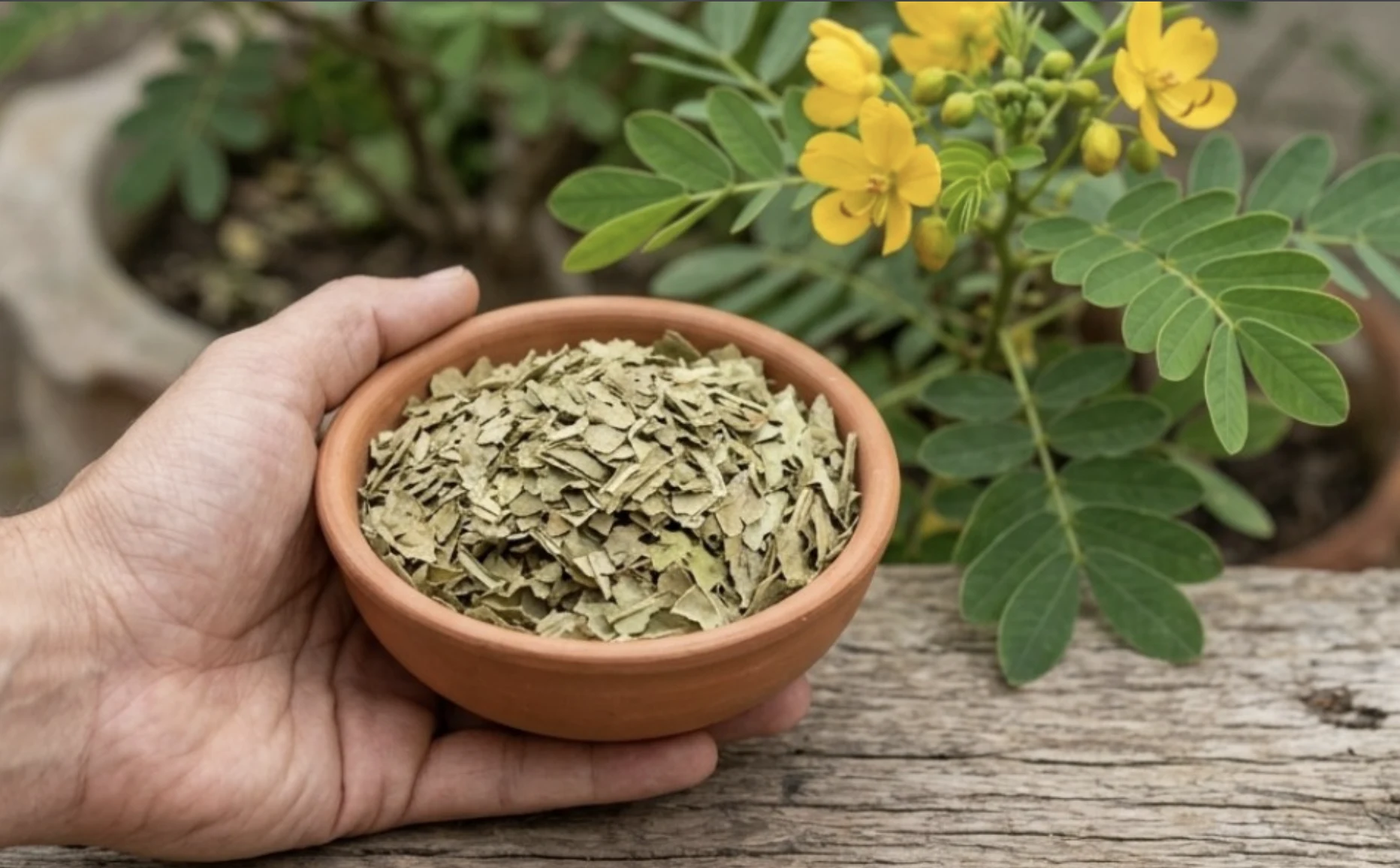
What Is Senna Leaf?
Senna is a flowering plant belonging to the Cassia genus. It’s recognizable by:
- yellow flowers
- green oval-shaped leaves
- seed pods
- shrubby appearance
The dried leaves are commonly used in:
- digestive herbal tea blends
- traditional herbal remedies
- over-the-counter laxative products
Senna tea for constipation is one of the most widely known traditional uses.
How Senna Tea Traditionally Works
Senna contains natural plant compounds called sennosides.
These compounds are traditionally believed to:
- stimulate bowel movement activity
- encourage intestinal contractions
- support short-term relief from constipation
Because of this, senna leaf tea is often categorized as a natural laxative tea rather than a regular wellness tea.
Senna Leaf Tea Benefits
People interested in senna leaf tea benefits often use it occasionally for digestive support.
Traditional uses may include:
- short-term constipation relief
- temporary digestive sluggishness
- occasional bloating support
- bowel cleansing routines
Many herbal tea for digestion blends combine senna with:
- peppermint
- ginger
- fennel
- licorice root
However, stronger does not always mean better.
How to Make Senna Tea

People searching how to make senna tea often prefer a mild preparation to reduce stomach discomfort.
Ingredients
- 1 tsp dried senna leaves
- 1 cup hot water
Optional additions:
- ginger
- peppermint
- lemon
- honey
Instructions
- Add dried senna leaves to a tea infuser or cup.
- Pour hot water over the leaves.
- Steep for 5–10 minutes.
- Strain before drinking.
Many people drink senna tea in the evening because effects may occur within:
- 6–12 hours
What Does Senna Tea Taste Like?
Senna tea is often described as:
- earthy
- slightly bitter
- grassy
This is why digestive herbal tea recipes sometimes include:
- mint
- ginger
- cinnamon
- citrus
to improve flavor.
Important Safety Warnings
Not for Daily Use
One of the biggest concerns about senna tea for constipation is overuse.
Frequent use may lead to:
- dependency
- electrolyte imbalance
- digestive irritation
- dehydration
Most health experts recommend using senna only occasionally unless directed by a healthcare professional.
Possible Side Effects
Senna leaf side effects may include:
- cramping
- diarrhea
- nausea
- dehydration
- abdominal discomfort
Stop use if severe symptoms occur.
Pregnancy & Medical Conditions
People with:
- digestive disorders
- inflammatory bowel disease
- kidney conditions
- pregnancy
- chronic illness
should consult a healthcare professional before using senna products.
Who Should Avoid Senna Tea?
Avoid self-using senna regularly if you:
- have chronic constipation
- experience unexplained stomach pain
- are pregnant or breastfeeding
- take medications affecting digestion
- have bowel disease
Long-term constipation should always be medically evaluated.
Better Long-Term Digestive Habits
While herbal remedies for bloating and constipation may help occasionally, long-term digestive wellness usually depends on:
- hydration
- fiber intake
- physical activity
- sleep quality
- stress management
Foods that naturally support digestion include:
- oats
- vegetables
- fruit
- yogurt
- chia seeds
- legumes
Common Mistakes with Herbal Laxative Teas
Using Too Much
Stronger tea does not equal better results.
Drinking It Daily
Regular use may reduce natural bowel function over time.
Ignoring Hydration
Natural laxative tea can increase fluid loss.
Drink extra water if using digestive teas.
Final Thoughts
Senna leaf tea remains one of the most popular traditional herbal remedies for temporary digestive support. Many people searching for:
- senna leaf tea benefits
- herbal tea for digestion
- natural laxative tea
- how to make senna tea
- herbal remedies for bloating
are looking for occasional wellness support rather than long-term solutions.
When used carefully and responsibly, senna may help with temporary constipation. However, it should always be approached cautiously, especially because senna leaf side effects and dependency risks are well documented.
For ongoing digestive issues, consult a healthcare professional instead of relying on herbal laxatives long term.