In the quest for holistic wellness, many turn to the wisdom of nature, seeking remedies that have stood the test of time. Among the most unassuming yet profoundly beneficial plants is the common Plantain (Plantago major or Plantago lanceolata), a plant often dismissed as a weed. Yet, for centuries, traditional folk medicine across the globe has revered this green powerhouse for its remarkable properties, often used as a complementary approach to well-being.
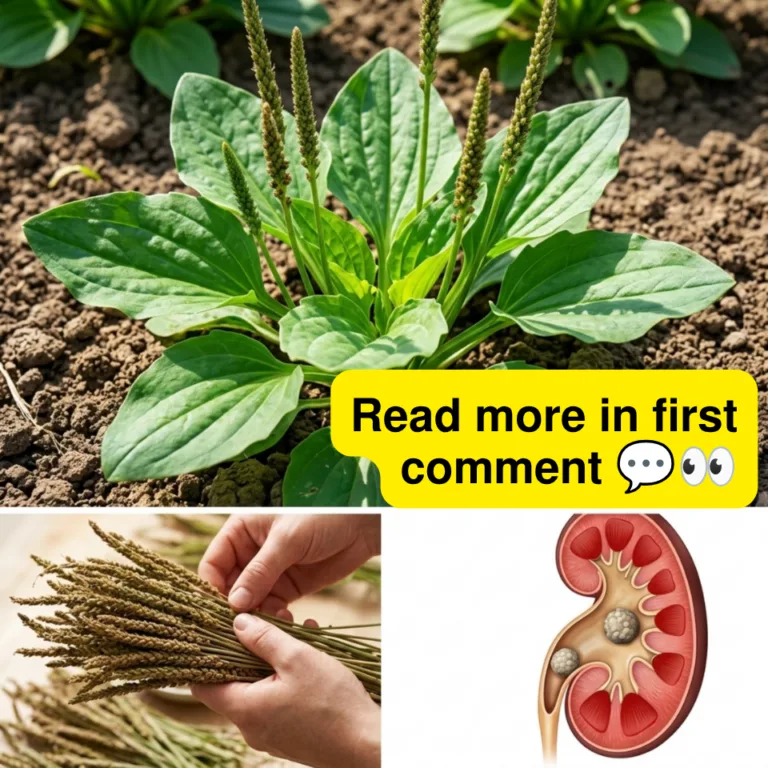 The humble plantain, a powerhouse of natural remedies for holistic wellness, historically used in traditional practices.
Today, we’re diving deep into the science and traditional wisdom surrounding Plantain, with a special focus on its potential role in supporting kidney health within folk traditions and how it can be incorporated into your daily routine for a myriad of benefits. It’s important to remember that while Plantain has a long history of traditional use, it is considered a supportive herb and not a substitute for professional medical advice or treatment.
Ingredient Spotlight: Understanding Plantain’s Potent Compounds
What makes Plantain such an effective natural remedy? Its leaves and seeds are packed with a rich array of bioactive compounds, each contributing to its therapeutic profile:
- Mucilage: These slippery, gelatinous compounds are responsible for Plantain’s demulcent (soothing) properties. They can coat mucous membranes, providing relief for irritated tissues in the digestive and urinary tracts.
- Iridoid Glycosides (e.g., Aucubin): Known for their anti-inflammatory and antimicrobial actions, these compounds help reduce swelling and fight off various pathogens.
- Flavonoids: Powerful antioxidants, flavonoids help protect cells from damage caused by free radicals, contributing to overall health and reducing inflammation.
- Tannins: These astringent compounds help tighten tissues and reduce secretions, which can be beneficial for wound healing and reducing irritation.
- Vitamins and Minerals: Plantain is also a good source of vitamins K, C, and A, as well as calcium and iron, adding to its nutritional value.
Collectively, these components give Plantain its well-documented properties: anti-inflammatory, analgesic (pain-relieving), astringent, demulcent, and diuretic – qualities that have been valued in traditional medicine for centuries.
Plantain and Kidney Health: A Traditional Folk Perspective
For generations, Plantain has been employed in folk medicine as a supportive herb for various urinary tract complaints. Its potential benefits for kidney health stem primarily from its traditionally observed properties:
Diuretic Action: Gentle Flushing for Kidney Support
Plantain’s natural diuretic properties mean it can help increase urine production, which in turn may aid in flushing the kidneys and urinary tract. This gentle flushing action is traditionally believed to assist in:
- Supporting the passage of small particles: While Plantain is by no means a cure or treatment for kidney stones, the increased fluid flow might, in some traditional contexts, be believed to help facilitate the natural elimination of very small particles or gravel and support prevention by keeping the urinary system active and hydrated.
- Reducing fluid retention: By promoting healthy urination, Plantain can help alleviate mild fluid retention, which can sometimes reduce strain on the kidneys.
Important Disclaimer: It is crucial to understand that while Plantain can be a supportive herb within traditional practices, it is not a direct treatment for serious kidney conditions, large kidney stones, or any other medical illness. Any symptoms related to kidney health, including suspected kidney stones, warrant immediate professional medical attention. Plantain should be considered as a complementary approach, used under the guidance of a healthcare professional. Always consult your doctor before using any herbal remedies, especially concerning serious health issues.
Anti-inflammatory and Soothing Effects
The anti-inflammatory compounds in Plantain can also help soothe irritation within the urinary tract. For individuals experiencing discomfort from minor urinary issues, the demulcent properties of mucilage, combined with anti-inflammatory iridoids, can provide a calming effect on inflamed tissues, a benefit recognized in traditional remedies.
 Fresh Plantain leaves: a natural ingredient for soothing various discomforts.
Beyond Kidney Support: Other Remarkable Uses of Plantain in Traditional Remedies
Plantain’s versatility extends far beyond just kidney health. Here are a few other ways this incredible plant contributes to wellness, as utilized in traditional folk practices:
DIY Skincare and Topical Relief
- Insect Bites & Stings: A crushed Plantain leaf poultice can quickly reduce itching, swelling, and pain from mosquito bites, bee stings, and other insect encounters due to its anti-inflammatory and astringent qualities. This is a popular and immediate folk remedy.
- Minor Cuts & Scrapes: Its antiseptic and wound-healing properties make it excellent for cleaning and protecting small wounds, encouraging faster healing in traditional first aid.
- Rashes & Irritations: For conditions like poison ivy or mild eczema, Plantain’s soothing mucilage can calm irritated skin and reduce redness.
Digestive and Respiratory Comfort
- Digestive Aid: Taken internally as an infusion, the mucilage in Plantain can help soothe an irritated digestive tract, offering relief from mild indigestion or heartburn.
- Respiratory Support: Traditionally, Plantain tea has been used to help alleviate coughs and bronchitis, as its demulcent action can soothe sore throats and help loosen mucus.
Holistic Wellness & Home Comforts: Traditional Preparations and How to Use Plantain Safely
Embracing Plantain in your wellness routine can be both simple and rewarding, following traditional preparation methods. Here are some practical ways to use it:
1. Herbal Infusions (Teas) for Internal Benefits
Purpose: For internal benefits, including mild kidney support (as a diuretic) or digestive aid. Formula/Method:
- Take 1-2 teaspoons of dried Plantain leaves (or a handful of fresh, clean, finely chopped leaves).
- Place them in a heat-proof cup or mug.
- Pour 1 cup of boiling water over the leaves.
- Steep for 10-15 minutes, covering the cup to retain beneficial volatile compounds.
- Strain the leaves and enjoy the warm infusion.
Usage: Consume 1-2 cups per day. Always start with small amounts and consult a professional, especially when addressing specific health concerns. This is a traditional method, not a medical treatment.
2. Fresh Leaf Poultice for Topical Relief
Purpose: For topical relief from insect bites, stings, minor wounds, or skin irritations. Formula/Method:
- Harvest a fresh, clean Plantain leaf (ensure it’s from an area free of pesticides or pollutants).
- Wash the leaf thoroughly.
- Either chew the leaf until a moist paste forms (traditionally called a “spit poultice”) or crush it vigorously using a mortar and pestle or by rolling it with a heavy object until its juices are released and a pulpy paste is formed.
- Apply the paste directly to the affected skin area.
- Cover with a clean bandage or cloth to keep it in place.
Usage: Change the poultice every few hours or as needed, especially if it dries out. Discontinue use if irritation occurs. This is a time-honored folk remedy for immediate relief.
3. Edible Green for Nutritional Support
Purpose: To incorporate Plantain’s nutritional value and subtle flavors into your diet. Formula/Method:
- Harvest young, tender Plantain leaves (older leaves can be tougher and more bitter).
- Wash them thoroughly.
- In Salads: Chop fresh, young leaves finely and add to mixed green salads for a slightly earthy, bitter note.
- In Smoothies: Blend a few fresh leaves into your favorite fruit or vegetable smoothie.
- Sautéed: Sauté like spinach or other greens with a little olive oil, garlic, and seasoning.
Usage: Use in moderation as part of a balanced diet. Always ensure correct plant identification before consumption.
Important Considerations and Precautions
While Plantain is generally considered safe for most people when used responsibly, it’s essential to approach natural and traditional remedies with caution:
- Consult Your Doctor: If you are pregnant, nursing, have a pre-existing medical condition (especially kidney disease, heart conditions, or blood clotting disorders), or are taking medications (e.g., blood thinners, diuretics), always consult a healthcare professional before incorporating Plantain or any new herbal remedy into your routine. Plantain can interact with certain medications.
- Correct Identification: Ensure you correctly identify Plantain (Plantago major or Plantago lanceolata) before using it. There are many plants that look similar, and not all are safe for consumption or topical use.
- Quality Source: Use Plantain from clean, pesticide-free environments, or purchase from reputable herbal suppliers to avoid contaminants.
- Allergies: Though rare, some individuals may be sensitive or allergic to Plantain. Discontinue use if any adverse reactions such as skin rash, itching, or digestive upset occur.
- Not a Cure: Remember, while Plantain has a long history of use in traditional folk medicine, it is a supportive herb and not a substitute for professional medical diagnosis, treatment, or advice for any health condition.
Conclusion: Embracing Nature’s Gentle Healer with Responsibility
The humble Plantain, often overlooked, stands as a testament to the profound potential hidden in plain sight within nature’s bounty. From its ancient roots in traditional medicine to its modern-day applications, its rich profile of compounds offers natural support for everything from irritated skin to overall internal balance, including a gentle assist for kidney health within folk traditions. As with all natural remedies, knowledge, respect, and consultation with healthcare professionals are key to harnessing its full potential safely and effectively. Embrace Plantain, and rediscover a piece of nature’s pharmacy that can truly enhance your journey towards holistic well-being, always prioritizing informed and responsible usage.