In the quiet corners of traditional kitchens and amidst the whispers of ancient lore, some ingredients hold a special place. They are not merely food but vessels of ancestral wisdom, offering both unique flavors and a touch of the extraordinary. Among these cherished gifts from nature is the Wild Seeded Banana, known locally as Chuối Hột Rừng, an overlooked gem brimming with possibilities when prepared with traditional insight.
This remarkable fruit, often found in the mountainous regions, has been a part of local customs for generations. Its preservation is not just a technique but an art, allowing us to capture its essence and extend its availability. Join us as we explore the world of the Wild Seeded Banana, from its unique characteristics to the time-honored methods of preserving it, and discover how this humble fruit continues to enrich lives.
Unveiling the Wild Seeded Banana
Unlike its sweet, domesticated cousins, the Wild Seeded Banana is distinct. It’s smaller, often rounder, and characterized by a tougher green skin and a pulp packed with numerous hard, dark seeds. These seeds are a defining feature, signifying its wild heritage and lending to its unique properties. It grows resiliently in various terrains, embodying the spirit of the wild.
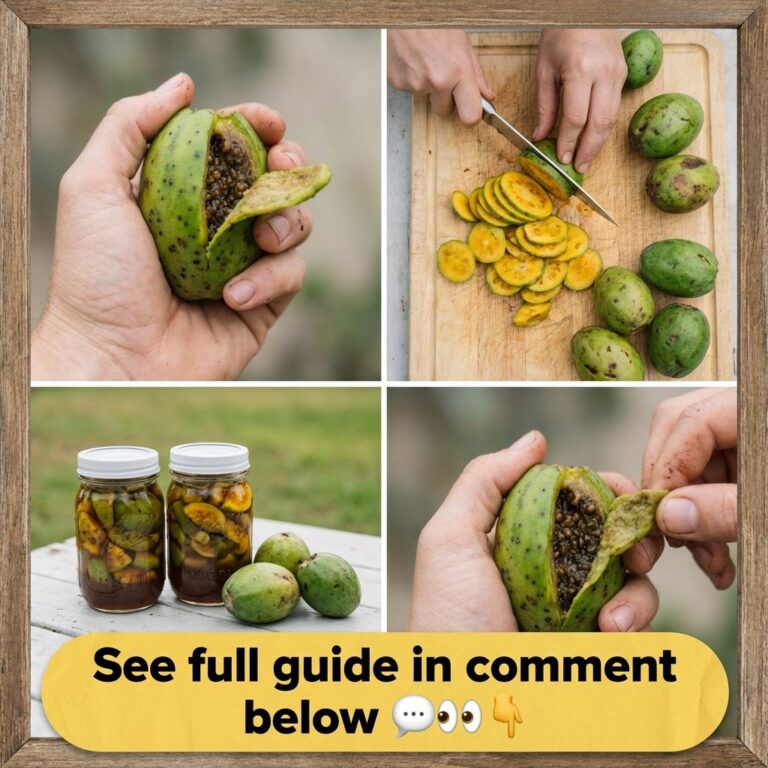 The journey of wild seeded banana, from fresh fruit to preserved delight.
A Tapestry of Tradition: Uses and Lore
For centuries, the Wild Seeded Banana has been revered in traditional Vietnamese practices. It is not typically consumed fresh due to its texture and seed content, but rather processed or preserved to unlock its potential. Historically, various parts of the plant, especially the fruit, have been utilized in infusions and concoctions.
Local lore often speaks of the wild seeded banana as a resourceful ingredient, believed to offer a grounding presence and support general well-being when prepared thoughtfully. It’s a testament to the ingenuity of past generations who learned to work with what nature provided, transforming seemingly unpalatable fruits into valuable components of their resourceful living.
The fruit, particularly its seeds, is often dried and then used to create a variety of traditional beverages, from herbal teas to specialty infusions. These preparations are typically consumed in moderation, as part of a balanced approach to vitality.
The Art of Preservation: Why and How
Preservation is key to harnessing the goodness of the Wild Seeded Banana. Drying is one of the most common and effective methods, concentrating its essence and extending its shelf life significantly. This process allows the fruit to be stored and used throughout the year, regardless of its seasonal availability.
Your Guide to Preserving Wild Seeded Banana
The journey from fresh fruit to a dried, ready-to-use ingredient is straightforward but requires patience and care.
Gather Your Essentials:
- Ripe Wild Seeded Banana fruit (as fresh as possible)
- Sharp knife
- Cutting board
- Drying racks or clean trays
- A well-ventilated, sunny area or a food dehydrator
- Airtight containers or mason jars for storage
Step-by-Step Method:
- Cleaning and Peeling: Carefully wash the fruits to remove any dirt. Using a sharp knife, peel the thick green skin. You’ll notice the fruit’s flesh is often a pale yellow, densely packed with dark seeds.
- Slicing: On a clean cutting board, slice the peeled fruit into thin, even rounds or longitudinal strips. Aim for uniform thickness to ensure consistent drying. The thinner the slices, the faster they will dry.
- Drying:
- Sun Drying: Arrange the slices in a single layer on drying racks or clean trays. Place them in a sunny, well-ventilated area, ideally outdoors on a clear day. Turn the slices periodically to ensure even drying. This process can take several days, depending on humidity and sunlight intensity.
- Dehydrator Drying: If using a food dehydrator, follow the manufacturer’s instructions for drying fruit. Typically, a temperature of around 130-140°F (54-60°C) is suitable, and drying can take 8-12 hours or more.
- The fruit is fully dried when the slices are brittle and snap easily, with no moisture remaining.
- Cooling and Storing: Once completely dried, allow the slices to cool down to room temperature. Store them in airtight containers or sealed mason jars in a cool, dark, and dry place. Properly dried Wild Seeded Banana can last for many months.
Beyond the Jar: Ways to Enjoy Wild Seeded Banana
The dried wild seeded banana can be used in several traditional ways:
- Herbal Infusions: One of the most popular uses is to create a traditional infusion. The dried slices can be steeped in hot water to make a warm, earthy tea, or infused in specific spirits for a more potent, traditionally consumed tonic.
- Culinary Additions: In some traditional recipes, small amounts of the dried fruit might be added to certain broths or stews, imparting a subtle depth of flavor believed to be beneficial.
Important Considerations
While exploring traditional ingredients like the Wild Seeded Banana, it’s always wise to proceed with awareness. If you have any specific health considerations or are on medication, it’s always recommended to consult with a qualified health professional or traditional practitioner knowledgeable about such ingredients. Always source your fruit from reputable suppliers to ensure quality and authenticity.
Embrace the Wisdom of Nature
Preserving the Wild Seeded Banana is more than just a technique; it’s an act of connecting with nature’s bounty and the enduring wisdom of those who came before us. It encourages us to slow down, appreciate the process, and recognize the inherent value in traditional practices. By bringing these ancient secrets into our modern lives, we not only savor unique flavors but also keep a valuable part of our heritage alive.
What culinary memories does preserving evoke for you? Share your own preserving traditions and insights with us!