In the vast tapestry of traditional wisdom, certain plants stand out for their profound connection to well-being. Today, we invite you on a journey to explore a remarkable trio: the aromatic bay leaf, the delightful wild guava fruit, and the vibrant hibiscus flower. Each holds a unique place in various cultural practices and natural remedies, often celebrated for their subtle yet significant contributions to a balanced lifestyle. When brought together, they can create a harmonious blend, offering a soothing and refreshing experience.
Nature’s bounty: Bay leaves, wild guava, and hibiscus flowers ready to be transformed.
The Humble Bay Leaf: More Than Just a Culinary Companion
Often relegated to the spice rack for its distinctive flavor in stews and soups, the bay leaf (Laurus nobilis) carries a legacy far beyond the kitchen. Revered in ancient cultures, particularly by the Greeks and Romans, it symbolized wisdom, victory, and protection. Beyond its historical lore, traditional practices have long recognized its potential value in various applications.
Traditional Uses and Gentle Notes
- Aromatic Infusions: Historically, bay leaves were used to prepare soothing infusions, believed to aid in gentle digestion and provide a calming aroma.
- Topical Applications: In some traditions, crushed bay leaves or their extracts were applied externally, often for their perceived comforting properties.
- Respiratory Support: The fragrant steam from bay leaf infusions has been traditionally used to clear the senses and promote easier breathing.
While commonly used in cooking, it’s always wise to use bay leaves in moderation in any form of herbal preparation. Their potent aroma and traditional strength mean a little often goes a long way.
Wild Guava: A Tropical Gem with Inner Radiance
The wild guava (Psidium guajava), particularly its smaller, more rustic varieties, is a vibrant testament to nature’s generosity. These charming fruits, often with a delightful pink interior, are not only a treat for the palate but have also been valued in traditional practices across tropical regions for generations. Both the fruit and the leaves of the guava tree have garnered attention.
Exploring Guava’s Goodness
- Nutrient-Rich Fruit: Wild guavas are appreciated for their natural abundance of certain vitamins, offering a sweet and tangy burst of flavor that can be enjoyed fresh, in juices, or even in herbal preparations.
- Leaf Infusions: Guava leaves have been traditionally brewed into teas in many cultures. These infusions are often consumed for their believed gentle effects on the digestive system and for overall well-being.
- Soothing Qualities: The fruit’s pulp and seeds have been historically used to create comforting concoctions, especially after meals.
When selecting wild guava, look for firm, unblemished fruits. Their unique sweetness and subtle tartness make them a versatile addition to many natural recipes.
Hibiscus Flowers: The Crimson Bloom of Refreshment
The stunning hibiscus flower (Hibiscus sabdariffa), with its deep crimson petals, is much more than just a beautiful bloom. Revered in various cultures for its invigorating properties, hibiscus has been a staple in herbal teas and traditional beverages worldwide, particularly in warmer climates. Its distinct tart flavor and captivating color make it a favorite for refreshing drinks.
The Allure of Hibiscus
- Refreshing Beverages: Dried hibiscus calyces (the part of the flower used for tea) create a naturally tart, vibrant red infusion, often enjoyed hot or cold as a cooling and thirst-quenching drink.
- Traditional Wellness: Historically, hibiscus tea has been consumed to support overall hydration and vitality, particularly during hot seasons.
- Flavor Profile: Its tangy, cranberry-like taste makes it an excellent base for fruit infusions and herbal blends, adding a lively zest.
When preparing hibiscus, the dried calyces are typically steeped in hot water to release their color and flavor. Remember that its tartness can be quite pronounced, so adjusting the amount or adding a touch of natural sweetener is a good practice.
Crafting Your Own Synergistic Infusion
Inspired by the traditional wisdom surrounding these three ingredients, you can create a unique herbal infusion that brings their qualities together. This “Nature’s Infusion” is not intended to be a cure-all, but rather a delightful way to incorporate these revered plants into your daily ritual, offering a moment of warmth, reflection, and natural goodness.
Recipe: Bay, Wild Guava & Hibiscus Infusion
Ingredients:
- 2-3 dried bay leaves
- 1-2 wild guava fruits, sliced or halved (if fresh) OR 1 tablespoon dried guava leaves (if using)
- 1-2 tablespoons dried hibiscus calyces
- 4 cups filtered water
- Optional: A touch of honey, maple syrup, or stevia to taste
Instructions:
- Prepare Ingredients: Gently rinse the bay leaves and wild guava (if fresh). If using dried guava leaves, measure them out.
- Combine: In a medium saucepan, bring the filtered water to a boil. Once boiling, reduce heat to low and add the bay leaves, wild guava fruit (or dried leaves), and dried hibiscus calyces.
- Steep: Cover the saucepan and let the mixture gently simmer for about 10-15 minutes. This allows the flavors and properties of the herbs and fruit to infuse into the water. For a stronger flavor, you can let it steep for longer off the heat.
- Strain: Carefully strain the infusion into a heat-proof pitcher or directly into mugs, removing all the plant material.
- Sweeten (Optional): If desired, add your preferred natural sweetener while the infusion is still warm, stirring until dissolved.
- Serve: Enjoy your Nature’s Infusion warm, or let it cool and chill in the refrigerator for a refreshing cold drink.
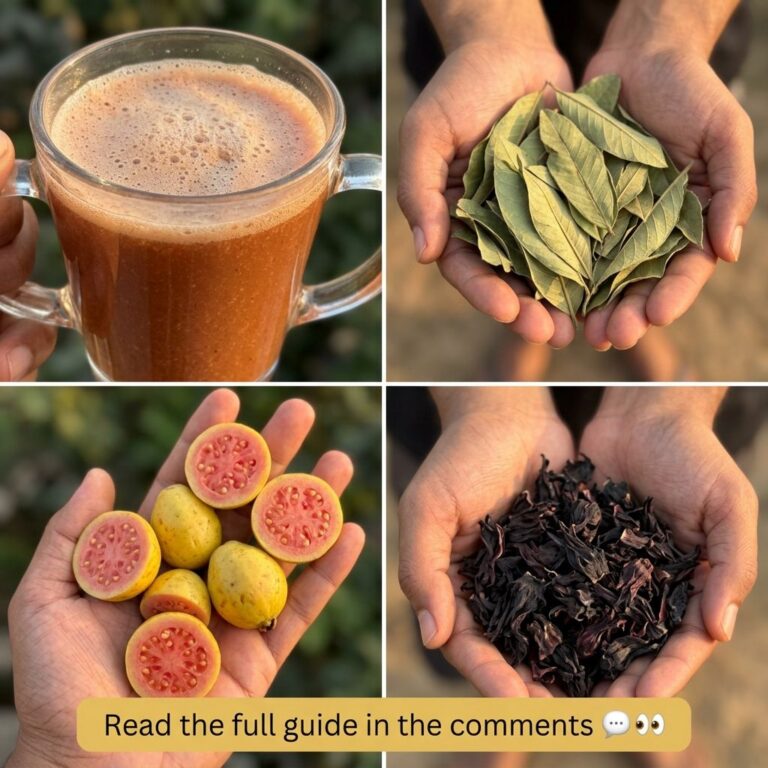 Savor the vibrant colors and soothing aroma of your homemade herbal infusion.
Important Considerations for Your Herbal Journey
While natural ingredients offer wonderful opportunities for wellness exploration, it’s essential to approach them with respect and prudence:
- Listen to Your Body: Everyone’s body reacts differently. Start with small amounts to see how you respond to any new herbal preparation.
- Source Quality Ingredients: Always opt for high-quality, organic, and ethically sourced dried herbs and fresh fruits to ensure purity and potency.
- Consult Professionals: If you have underlying health conditions, are pregnant or breastfeeding, or are taking medications, it is always wise to consult with a healthcare professional before incorporating new herbal remedies into your routine. This information is for educational purposes only and not intended as medical advice.
- Avoid Overconsumption: The principle of moderation applies to natural remedies just as it does to anything else.
Embracing Nature’s Gentle Offerings
The bay leaf, wild guava, and hibiscus are magnificent examples of how nature provides an abundance of resources for our well-being. By understanding their individual gifts and exploring how they can be harmoniously combined, we open ourselves to ancient wisdom and the simple joys of a homemade, natural infusion. May this journey encourage you to explore the fascinating world of botanicals with curiosity and care.