Ever wondered how to truly nourish your body from the inside out? It’s all about understanding the power of essential vitamins and minerals! These tiny but mighty nutrients play a huge role in keeping you energized, healthy, and vibrant every single day. The good news? Getting enough of them is often easier and more delicious than you might think, especially when you focus on whole, natural foods.
Why Vitamins and Minerals Are Your Daily Superheroes
Think of vitamins and minerals as the tiny engines and construction workers of your body. They’re involved in nearly every bodily process, from turning your food into energy to building strong bones and boosting your immune system. Without enough of these crucial micronutrients, your body can’t perform at its best. Understanding what each one does and where to find it in your diet is the first step towards a healthier, happier you.
Key Vitamins and Their Amazing Food Sources
Vitamins are organic compounds that your body needs in small amounts for various functions. Here’s a look at some of the most important ones and where to find them:
Vitamin A: For Vision & Immunity
- Why it matters: Essential for healthy vision, immune function, and skin health.
- Where to find it: Carrots, sweet potatoes, spinach, kale, fortified dairy products, eggs.
B Vitamins: Your Energy Boosters
There are eight different B vitamins (B1, B2, B3, B5, B6, B7, B9, B12), each with unique roles, often working together.
- Why they matter: Crucial for energy production, brain function, and metabolism.
- Where to find them: Whole grains, meat, fish, eggs, dairy, leafy green vegetables, legumes.
Vitamin C: The Immune System Supporter
- Why it matters: A powerful antioxidant, vital for immune health, collagen production (for healthy skin and joints), and wound healing.
- Where to find it: Citrus fruits (oranges, grapefruits), berries, bell peppers, broccoli, kiwi.
Vitamin D: For Strong Bones & Mood
- Why it matters: Helps your body absorb calcium, essential for bone health. Also plays a role in immune function and mood regulation.
- Where to find it: Fatty fish (salmon, mackerel), fortified milk and cereals, egg yolks, and most importantly, sunlight!
Vitamin K: For Blood & Bones
- Why it matters: Essential for blood clotting and plays a role in bone health.
- Where to find it: Leafy green vegetables like kale, spinach, collard greens, broccoli.
Essential Minerals and Where to Find Them
Minerals are inorganic elements that also play vital roles in the body’s functions. Here are some key players:
Calcium: For Strong Bones & Teeth
- Why it matters: The most abundant mineral in your body, crucial for bone and tooth structure, muscle function, and nerve transmission.
- Where to find it: Dairy products (milk, yogurt, cheese), fortified plant milks, leafy greens (like kale and spinach), tofu, sardines.
Iron: For Energy & Oxygen Transport
- Why it matters: Essential for creating hemoglobin, which carries oxygen in your blood. Prevents fatigue and supports energy levels.
- Where to find it: Red meat, poultry, fish, lentils, beans, spinach, fortified cereals. Pairing iron-rich plant foods with Vitamin C can boost absorption!
Magnesium: For Muscle & Nerve Function
- Why it matters: Involved in over 300 biochemical reactions in the body, including muscle and nerve function, blood glucose control, and blood pressure regulation.
- Where to find it: Nuts (almonds, cashews), seeds (pumpkin, chia), whole grains, dark chocolate, leafy greens, avocados.
Potassium: For Fluid Balance & Blood Pressure
- Why it matters: Helps maintain fluid balance, nerve signals, and muscle contractions. Crucial for regulating blood pressure.
- Where to find it: Bananas, potatoes, sweet potatoes, avocados, spinach, beans, citrus fruits.
Zinc: For Immunity & Healing
- Why it matters: Supports your immune system, wound healing, and cell growth.
- Where to find it: Meat, shellfish (especially oysters), legumes, nuts, seeds, dairy products.
Meeting Your Daily Needs: Practical Tips
You don’t need to be a nutritionist to get the vitamins and minerals your body needs. Simple, consistent choices make a big difference!
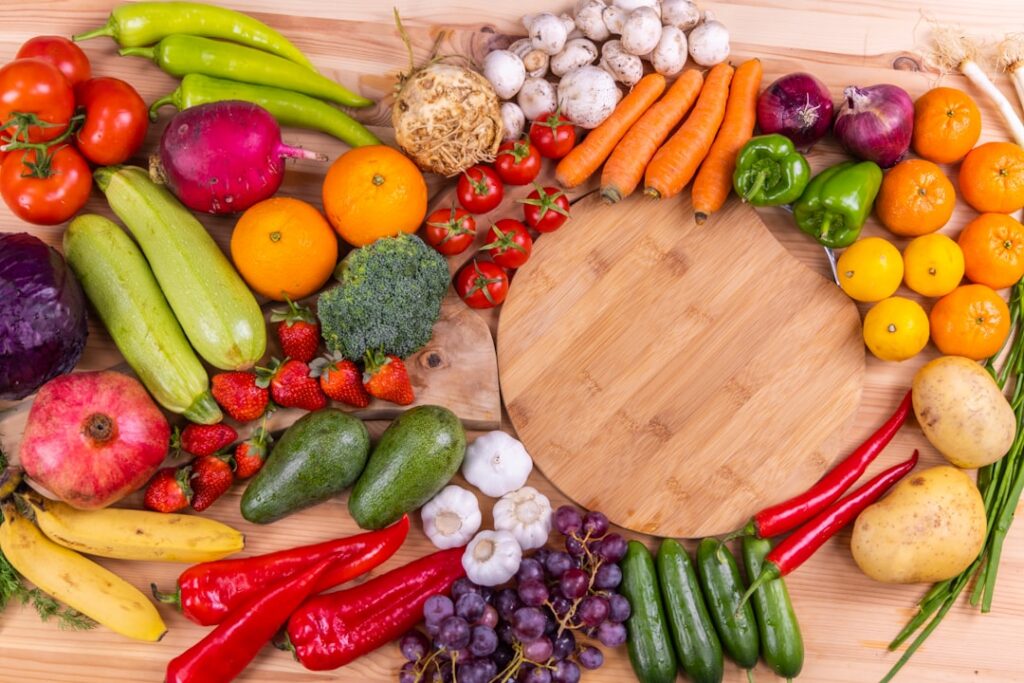
Eat a Rainbow of Whole Foods
The best strategy is to consume a wide variety of fruits, vegetables, whole grains, lean proteins, and healthy fats. Each color often signifies different nutrient profiles.
Prioritize Unprocessed Foods
Fresh, whole foods retain more of their natural vitamins and minerals. Aim to cook more at home using ingredients in their most natural state.
Plan Your Meals
A little planning can go a long way. Think about incorporating different food groups into your breakfast, lunch, and dinner to ensure you’re getting a broad spectrum of nutrients.
- Start with a nutrient-dense breakfast: Think oatmeal with berries and nuts, or a veggie-packed omelet.
- Include diverse vegetables: Aim for at least 2-3 different types of vegetables with your lunch and dinner.
- Snack smartly: Grab an apple, a handful of almonds, or some carrot sticks instead of processed snacks.
Hydrate!
Don’t forget water! While not a vitamin or mineral itself, it’s essential for transporting nutrients throughout your body and helping all these systems work efficiently.
Embrace Your Nutrient Journey
Nourishing your body with essential vitamins and minerals through everyday foods is a powerful way to enhance your health and well-being. By making conscious choices to include a diverse range of whole foods in your diet, you’re investing in your energy, immunity, and overall vitality. Start today, one delicious meal at a time!