Are you navigating the keto lifestyle and seeking ways to enhance your digestion while supporting your weight loss goals? The good news is that these two objectives can go hand-in-hand, especially when you focus on integrating the right foods into your diet. Achieving optimal gut health and maintaining a ketogenic state isn’t about restriction; it’s about smart choices that fuel your body efficiently.
Today, we’re diving into the world of low-carb, high-fiber vegetables – true game-changers for anyone on a keto journey looking to improve their digestive wellness. These nutrient powerhouses offer essential vitamins, minerals, and, crucially, the fiber your gut needs to thrive, all without derailing your carb count. Let’s explore nine fantastic options that can transform your meals and your well-being.
Why Low-Carb, High-Fiber Veggies are Your Keto Superheroes
In a ketogenic diet, the focus is on significantly reducing carbohydrate intake to encourage the body to burn fat for fuel. While many think of meat and fats, vegetables play a critical role. High-fiber vegetables are particularly beneficial because fiber is a type of carbohydrate that your body doesn’t digest or absorb for energy, meaning it doesn’t impact blood sugar or net carb count.
- Supports Digestion: Fiber adds bulk to your stool, promoting regularity and preventing constipation, a common concern on low-carb diets.
- Feeds Gut Bacteria: Many fibers act as prebiotics, nourishing the beneficial bacteria in your gut microbiome, which is crucial for overall health and immunity.
- Promotes Satiety: Fiber helps you feel full and satisfied, which can aid in weight management by reducing overall calorie intake.
- Stabilizes Blood Sugar: While low-carb by nature, the fiber further helps slow down sugar absorption, contributing to stable energy levels.
9 Low-Carb, High-Fiber Vegetables to Boost Your Health
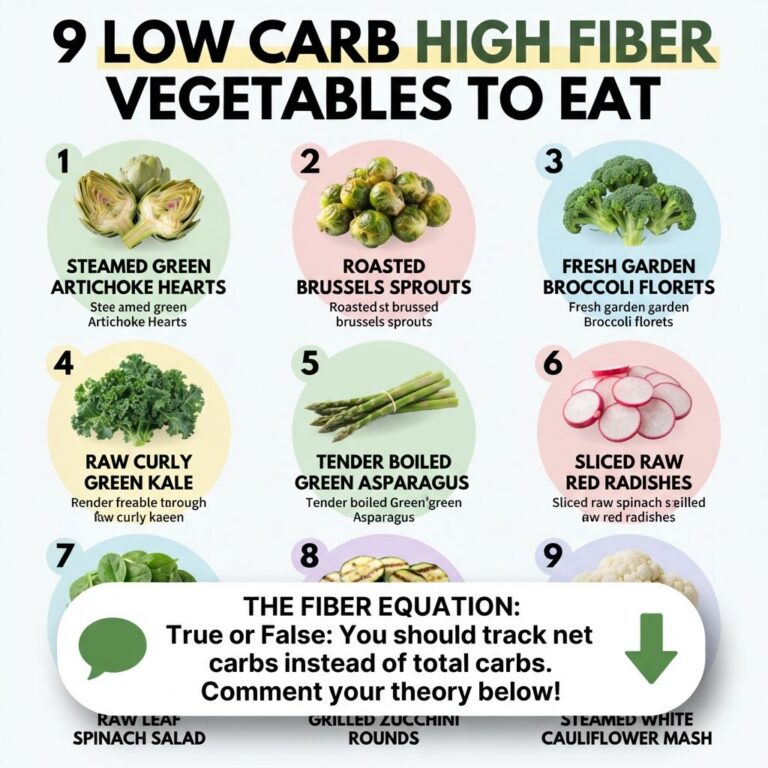
1. Artichoke Hearts: The Prebiotic Powerhouse
Artichoke hearts are more than just a culinary delight; they are packed with prebiotics like inulin, which are essential for nurturing a healthy gut biome. Prebiotics feed the beneficial bacteria in your intestines, supporting digestion and enhancing nutrient absorption. Enjoy them steamed, grilled, or added to salads and dips.
2. Brussels Sprouts: Your Anti-Inflammatory Ally
These mini cabbages are fantastic for reducing inflammation throughout the body. Brussels sprouts are rich in antioxidants and Vitamin K, which contributes to bone health and proper blood clotting. Roasting them brings out their natural sweetness, making them a delicious and nutritious side dish.
3. Broccoli Florets: Antioxidant-Rich and Versatile
Broccoli is a cruciferous superstar, loaded with sulforaphane, a powerful antioxidant and detoxifier that may help protect cells from damage. Its versatility makes it easy to incorporate into almost any meal, whether steamed, roasted, stir-fried, or even enjoyed raw with a healthy dip.
4. Kale: For Strong Bones and Immunity
Raw curly green kale is a nutrient dense leafy green, overflowing with Vitamins K, A, and C. These vitamins are vital for maintaining strong bones, supporting vision, and boosting your immune system. Add kale to smoothies, sauté it with garlic, or massage it into a vibrant salad base.
5. Asparagus: A Natural Diuretic Rich in Folate
Tender boiled green asparagus is renowned for its natural diuretic properties, which can help reduce bloating and support kidney function. It’s also an excellent source of folate (Vitamin B9), crucial for cell growth and metabolism. Grill, roast, or steam asparagus for a simple, elegant side.
6. Radishes: Hydrating and Packed with Vitamin C
Often underestimated, sliced raw red radishes offer a refreshing crunch and are high in Vitamin C, an essential antioxidant for immune health. Their high water content also contributes to hydration. Add them to salads, tacos, or enjoy them as a crisp snack.
7. Spinach: An Excellent Source of Iron and Calcium
Raw leaf spinach is a powerhouse of essential minerals, notably iron and calcium, which are vital for energy production and bone strength, respectively. This leafy green is incredibly versatile; wilt it into eggs, blend it into smoothies, or use it as a base for nutrient-rich salads.
8. Zucchini: Low-Calorie and Hydrating
Grilled zucchini rounds are not only delicious but also remarkably low in calories and high in water content, making them incredibly hydrating and perfect for weight management. Use zucchini to make ‘zoodles’ (zucchini noodles), grill slices, or add it to stir-fries for a light, refreshing meal.
9. Cauliflower: The Ultimate Keto Staple
Steamed white cauliflower mash proves just how versatile this vegetable is. Rich in Vitamins C and K, cauliflower can be transformed into countless keto-friendly alternatives: rice, pizza crust, mashed ‘potatoes,’ or roasted florets. Its mild flavor makes it an ideal canvas for various seasonings and dishes.
The Fiber Equation: Net Carbs vs. Total Carbs for Keto Success
When you’re counting carbs on a ketogenic diet, understanding the difference between total carbs and net carbs is crucial. This concept allows you to enjoy fiber-rich vegetables without hindering ketosis.
- Total Carbs: This refers to all the carbohydrates in a food, including sugars, starches, and fiber.
- Net Carbs: Calculated as Total Carbs minus Fiber. Since fiber is indigestible and doesn’t raise blood sugar or contribute to the ‘carb count’ that impacts ketosis, it’s often subtracted.
For example, if a serving of Brussels sprouts has 8 grams of total carbs and 4 grams of fiber, its net carb count is 4 grams. Tracking net carbs allows you to consume more nutrient-dense, high-fiber vegetables, which is excellent for both your health and satiety on a keto diet. This approach helps you maximize your intake of beneficial fiber while staying within your ketogenic carb limits.
Maximizing Your Low-Carb, High-Fiber Vegetable Intake
Incorporating these incredible vegetables into your daily routine is easier than you think. Here are a few tips:
- Meal Prep Power: Dedicate some time each week to wash, chop, and even pre-cook some of these vegetables. Roasted broccoli, grilled zucchini, or steamed asparagus can be easily added to meals throughout the week.
- Diverse Colors: Aim for a variety of colors on your plate. Different colors often indicate different beneficial plant compounds and nutrients.
- Hidden Veggies: Blend spinach or kale into smoothies, or finely chop cauliflower to mix into ground meat for extra fiber and nutrients without a strong taste.
- Smart Cooking Methods: Roasting, grilling, and steaming are excellent methods that retain nutrients and enhance flavor. A drizzle of healthy fats like olive oil or avocado oil can also aid in nutrient absorption.
Final Thoughts
Embracing a diet rich in low-carb, high-fiber vegetables is a powerful strategy for anyone committed to a ketogenic lifestyle, improved digestion, and healthy weight management. These nine vegetables offer a delicious and diverse way to nourish your body, support your gut health, and keep you feeling satisfied. By understanding the ‘fiber equation’ and making these smart choices, you’re not just adhering to a diet; you’re cultivating a healthier, more vibrant you.
Start experimenting with these fantastic veggies today and experience the difference they can make in your well-being!
Medical Disclaimer
The information provided in this article is for educational purposes only and is not intended as medical advice. Always consult with a qualified healthcare professional before making any significant changes to your diet or health regimen, especially if you have pre-existing health conditions or concerns.