Have you ever considered that your tongue might be a window to your overall health? Traditional healing practices have long observed the tongue for clues about internal well-being, and modern science continues to explore these intricate connections. What you consume plays a significant role in not only how you feel but also how your body, including your tongue, presents itself. This article delves into the fascinating relationship between your diet and your overall wellness, guiding you on which foods to reconsider and which to embrace for a healthier you.
 Nourish your body with a rainbow of healthy foods.
The Tongue as a Mirror of Health
Your tongue’s appearance—its color, coating, and texture—can offer surprising insights into your dietary habits and internal balance. For instance, a healthy tongue is typically pink, moist, and covered with small nodules (papillae). Deviations from this norm, such as a thick white coating, deep cracks, or unusual redness, can sometimes hint at imbalances within the body, including nutritional deficiencies or digestive issues. While these signs are not diagnostic, they can serve as gentle reminders to pay closer attention to your dietary choices and overall lifestyle.
Foods to Reconsider for a Healthy Tongue and Body
Just as certain foods can boost your health, others might contribute to imbalances that could manifest in your tongue and body. Being mindful of these can be a crucial step toward better wellness.
Processed Foods and Artificial Ingredients
Foods high in artificial colors, flavors, preservatives, and excessive sodium can contribute to inflammation and may disrupt the delicate balance of beneficial bacteria in your gut. This imbalance, often referred to as dysbiosis, can have systemic effects, potentially influencing everything from digestion to immune function, and could subtly reflect on your oral health.
Excessive Sugar and Refined Carbohydrates
A diet rich in added sugars and refined carbohydrates not only fuels harmful bacteria in the mouth, leading to dental issues, but can also promote systemic inflammation. Chronic inflammation is a root cause for many chronic diseases and can impact tissue health throughout the body, including the tongue’s appearance and sensitivity.
Highly Acidic and Spicy Foods (in excess)
While some acidic or spicy foods are healthy in moderation, consuming them in large quantities can sometimes irritate the delicate mucous membranes of the tongue and mouth, potentially contributing to sensitivity or discomfort for some individuals.
Nourishing Your Way to a Vibrant Tongue and Optimal Wellness
The good news is that by incorporating nutrient-dense foods, you can actively support your body’s innate ability to maintain balance and vitality, which can positively impact your tongue’s health as well.
The Power of Citrus Fruits
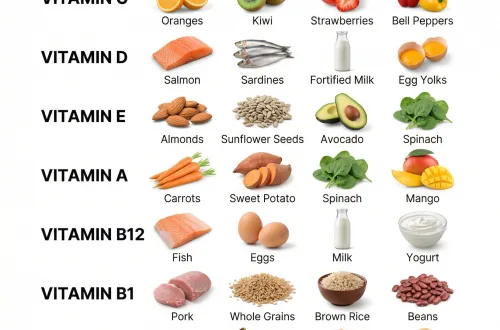
- Vitamin C Boost: Citrus fruits like oranges, lemons, and grapefruits are renowned for their high Vitamin C content. Vitamin C is a powerful antioxidant crucial for immune function, collagen production, and tissue repair, all of which support healthy oral tissues.
- Antioxidant Rich: Beyond Vitamin C, citrus fruits contain various other antioxidants that help combat oxidative stress, protecting cells from damage and promoting overall health.
Embracing Probiotics for Gut-Tongue Connection
Your gut microbiome—the community of microorganisms living in your digestive tract—is intrinsically linked to your overall health. A healthy gut often translates to better systemic wellness, which can extend to oral health. Probiotic-rich foods introduce beneficial bacteria that help balance the gut flora.
- Sources: Include fermented foods such as yogurt (plain, unsweetened), kefir, sauerkraut, kimchi, and kombucha in your diet to foster a healthy gut environment.
- Benefits: A balanced gut microbiome supports digestion, nutrient absorption, and immune response, potentially reducing inflammation that could affect oral health.
Antioxidants: Your Body’s Protective Shield
Antioxidants are compounds that neutralize harmful free radicals in the body, which are byproducts of metabolism and environmental stressors. Incorporating a wide array of antioxidant-rich foods is vital for cellular protection and reducing inflammation.
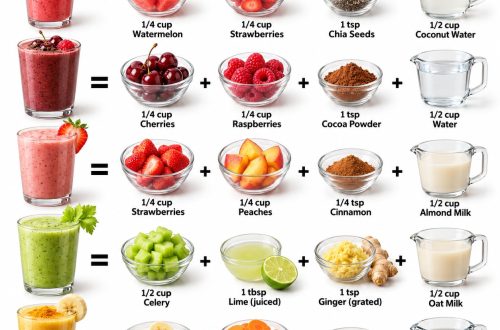
- Beyond Citrus: Expand your antioxidant intake with berries (blueberries, strawberries), dark leafy greens (spinach, kale), nuts, seeds, and green tea.
- Holistic Protection: These foods work synergistically to support your body’s defense mechanisms, contributing to healthy tissues throughout your body, including your tongue.
Hydration and Whole Foods
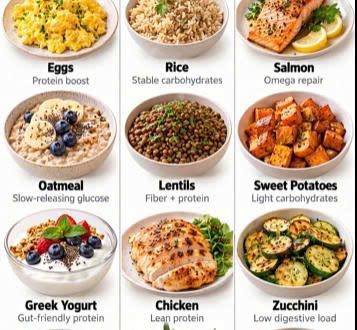
Don’t underestimate the simple power of adequate hydration and a diet based on whole, unprocessed foods. Drinking plenty of water helps maintain moisture in the mouth and aids in detoxification. A diet focused on whole grains, lean proteins, and a rainbow of fruits and vegetables provides essential nutrients without the detrimental effects of processed alternatives.
Practical Tips for a Tongue-Friendly Diet
- Prioritize Whole Foods: Build your meals around fresh, unprocessed ingredients.
- Increase Colorful Produce: Aim for a variety of fruits and vegetables to ensure a broad spectrum of vitamins, minerals, and antioxidants.
- Incorporate Fermented Foods: Regularly include sources of probiotics like yogurt or kimchi.
- Stay Hydrated: Drink plenty of water throughout the day.
- Limit Processed Items: Reduce your intake of sugary drinks, refined snacks, and foods with artificial additives.
- Practice Mindful Eating: Pay attention to how different foods make you feel and how your body responds.
Conclusion
Your diet is a powerful tool for nurturing your overall wellness, and your tongue can offer subtle cues along the way. By making conscious choices to embrace nutrient-rich foods like citrus fruits, probiotics, and a wide array of antioxidants, while limiting processed and sugary items, you’re investing in your long-term health. Remember, these dietary adjustments are part of a holistic approach to wellness and are traditionally used to support the body’s natural functions. Always consult with a healthcare professional for any specific health concerns or before making significant dietary changes.