Living with diabetes doesn’t mean sacrificing delicious food or living a restrictive life. Instead, it’s an opportunity to make informed choices that nourish your body, stabilize blood sugar levels, and enhance your overall well-being. A well-planned diet is the cornerstone of effective diabetes management, helping to prevent complications and empower you to live a vibrant, healthy life.
Understanding which foods to embrace and which to limit can feel overwhelming, but it doesn’t have to be. This comprehensive guide breaks down the essentials of a diabetes-friendly diet, offering clear, actionable advice to help you take charge of your health. Let’s dive into making smart food choices that support your journey towards better health and sustained energy.
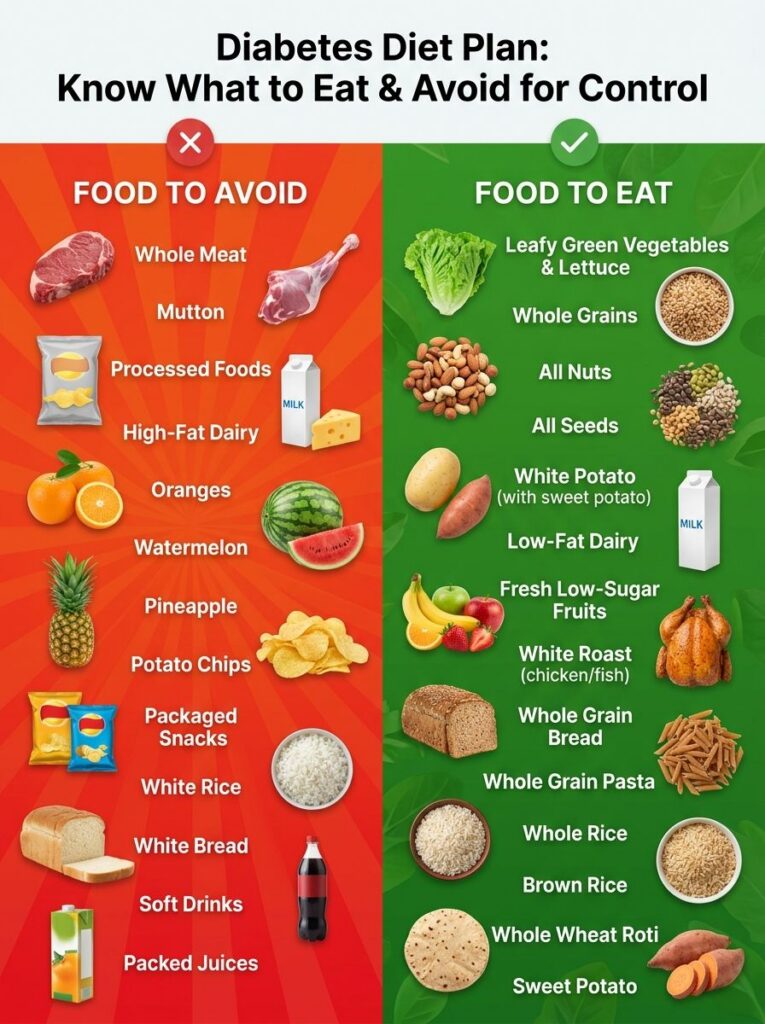
Foods to Embrace for Blood Sugar Control
Building a diet around nutrient-dense, low-glycemic foods is crucial for managing blood sugar levels and promoting overall health. These foods provide essential vitamins, minerals, and fiber without causing sharp spikes in glucose.
Vegetables: Your Everyday Superheroes
- Non-Starchy Vegetables: Load up on greens like spinach, kale, broccoli, and Brussels sprouts. Bell peppers, cucumbers, and tomatoes are also excellent choices. They are low in calories and carbohydrates but packed with fiber, which aids digestion and helps stabilize blood sugar.
- Starchy Vegetables (in moderation): Sweet potatoes, corn, and peas can be included in controlled portions. Their natural starches convert to glucose, so portion control is key.
Fruits: Nature’s Sweetness, Wisely Chosen
- Berries: Blueberries, strawberries, raspberries, and blackberries are rich in antioxidants and fiber, offering sweetness with a lower glycemic impact.
- Apples and Pears: These fruits provide a good source of fiber, helping to slow sugar absorption.
- Citrus Fruits: Oranges, grapefruits, and lemons are high in Vitamin C and have a relatively low glycemic index.
Tip: Always opt for whole fruits over fruit juices, as juices lack the beneficial fiber.
Whole Grains: The Smart Carb Choice
- Oats: A fantastic source of soluble fiber, which can help lower cholesterol and blood sugar.
- Quinoa and Brown Rice: These complex carbohydrates provide sustained energy and are rich in nutrients.
- Whole Wheat Roti/Bread: Choose 100% whole grain options over refined white flour products to benefit from increased fiber content.
Lean Proteins: Building Blocks for Health
- Fish: Fatty fish like salmon, mackerel, and sardines are rich in omega-3 fatty acids, which support heart health and reduce inflammation.
- Chicken and Turkey: Skinless breast meat is an excellent lean protein source.
- Legumes: Lentils, chickpeas, and beans are powerhouses of protein and fiber, making them excellent plant-based options.
- Eggs: A versatile and complete protein source.
Healthy Fats: Essential for Well-being
- Avocados: Rich in monounsaturated fats, beneficial for heart health and satiety.
- Nuts and Seeds: Almonds, walnuts, chia seeds, and flaxseeds provide healthy fats, fiber, and protein. Enjoy them in moderation due to their calorie density.
- Olive Oil: A cornerstone of the Mediterranean diet, excellent for cooking and salad dressings.
Foods to Limit or Avoid for Optimal Control
Certain foods can wreak havoc on blood sugar levels and contribute to long-term health complications. Minimizing or eliminating these from your diet is a powerful step towards better diabetes management.
Sugary Beverages: The Biggest Culprit
- Soft Drinks, Juices, and Sweetened Teas: These are loaded with added sugars that cause rapid blood sugar spikes and offer little nutritional value.
- Energy Drinks: Often contain high levels of sugar and caffeine, both detrimental to blood sugar stability.
Processed and Refined Foods: Empty Calories
- White Bread, Pasta, and Rice: These refined carbohydrates are quickly broken down into sugar, leading to rapid blood glucose increases.
- Processed Snacks: Chips, cookies, cakes, and pastries are typically high in unhealthy fats, sugar, and refined grains.
- Sweets and Candies: Pure sugar bombs that offer no nutritional benefit.
Unhealthy Fats and Red Meats (Limit)
- Fried Foods: Often cooked in unhealthy trans and saturated fats, contributing to inflammation and heart disease risk.
- High-Fat Dairy: Whole milk, full-fat cheeses, and butter can be high in saturated fats. Opt for low-fat or fat-free alternatives.
- Red Meat and Processed Meats: Mutton, beef, bacon, and sausages can be high in saturated fat and sodium, increasing the risk of heart disease. Limit consumption and choose lean cuts if you do include them.
Excessive Salt: A Hidden Danger
- Processed and Canned Foods: Often contain hidden sodium, which can contribute to high blood pressure, a common comorbidity with diabetes.
- Table Salt: Be mindful of adding extra salt to your meals.
Making Your Diabetes Diet Plan Work
Transitioning to a diabetes-friendly diet is a journey, not a destination. It requires consistency, awareness, and a willingness to learn. Here are some practical tips:
- Portion Control: Even healthy foods need to be consumed in appropriate amounts. Learn about recommended serving sizes.
- Meal Planning: Planning your meals in advance helps you make healthier choices and avoids impulsive eating.
- Read Food Labels: Pay attention to carbohydrate, sugar, fiber, and fat content to make informed decisions.
- Stay Hydrated: Drink plenty of water throughout the day.
- Consult a Professional: Work with a registered dietitian or healthcare provider to create a personalized meal plan tailored to your specific needs and health goals.
By understanding what to eat and what to avoid, you’re not just managing a condition; you’re actively investing in a healthier, more energetic future. Keep this guide handy, and embark on your wellness journey with confidence!