Tired of bland store-bought condiments? Homemade mayonnaise offers a world of fresh flavor and quality ingredients, transforming your everyday meals into culinary delights. Imagine the rich, creamy texture and vibrant taste of mayonnaise crafted right in your own kitchen – free from preservatives and artificial additives.
In this guide, we’ll dive into the art of making classic mayonnaise from scratch, providing a versatile foundation for endless flavor possibilities. We’ll then explore exciting variations inspired by global tastes, from zesty garlic to fiery spicy and bright lemon herb options, and even a creamy avocado and dairy-free eggless alternative. Get ready to elevate your plate and discover which homemade mayonnaise recipe you’ll try first!
Classic Mayonnaise: The Foundation of Flavor
Every great meal often starts with a fundamental component, and for many dishes, that’s a perfectly crafted classic mayonnaise. This creamy, tangy condiment is incredibly versatile, ideal for sandwiches, salads, dipping sauces, and enriching countless recipes. Making it at home allows you to control the quality of your ingredients, resulting in a superior taste and texture.
What Makes Classic Mayo Stand Out?
Classic mayonnaise is characterized by its smooth, emulsified texture and a balanced flavor profile that’s both rich and slightly acidic. It’s primarily made from egg yolk, oil, and an acid like lemon juice or vinegar, with Dijon mustard often added for extra flavor and as an emulsifying agent. This simple combination creates a condiment that enhances almost any savory dish without overpowering it.
Homemade Classic Mayonnaise Recipe
Crafting your own classic mayonnaise is simpler than you might think, yielding a fresh, vibrant condiment that far surpasses its store-bought counterparts. Here’s how to make it:
Yields
- Approximately 1 cup
Prep Time
- 10 minutes
Chill Time
- 30 minutes (optional, for flavors to meld)
Ingredients
- 1 large egg yolk (at room temperature)
- 1 teaspoon Dijon mustard
- 1 cup neutral-flavored oil (such as grapeseed, canola, or light olive oil)
- 1 tablespoon fresh lemon juice or white wine vinegar
- ¼ teaspoon salt (or to taste)
- ⅓ teaspoon freshly ground black pepper (or to taste)
Instructions
- Prepare Your Base: In a medium bowl, whisk together the egg yolk and Dijon mustard until well combined and slightly pale.
- Slowly Add Oil: This is the most crucial step for a successful emulsion. Begin by adding the oil, drop by drop, while continuously whisking vigorously. It’s vital to go very slowly at first. As the mixture starts to thicken and emulsify, you can gradually increase the oil stream to a thin, steady trickle.
- Whisk Until Thick: Continue whisking until all the oil is incorporated and the mayonnaise is thick, creamy, and pale yellow.
- Season and Flavor: Stir in the lemon juice (or vinegar), salt, and pepper. Taste and adjust seasonings as needed. If you prefer a tangier mayo, add a bit more lemon juice.
- Serve or Store: Your homemade classic mayonnaise is ready! Transfer it to an airtight container and store it in the refrigerator for up to one week.
Tips for Perfect Homemade Mayonnaise
- Room Temperature Ingredients: Ensure your egg yolk is at room temperature. This helps in achieving a stable emulsion.
- Use a Neutral Oil: Oils like grapeseed, sunflower, or canola are best as they have a mild flavor that won’t overshadow the mayo. Extra virgin olive oil can be too strong and bitter for some palates.
- Patience is Key: When adding the oil, especially at the beginning, go slowly. Rushing this step is the most common reason for a broken emulsion.
- Fixing a Broken Mayonnaise: If your mayonnaise separates, don’t despair! In a clean bowl, whisk another fresh egg yolk. Then, very slowly, drizzle your broken mayonnaise into the new egg yolk while whisking continuously until it re-emulsifies.
Elevate Your Plate: Exploring Mayonnaise Flavor Variations
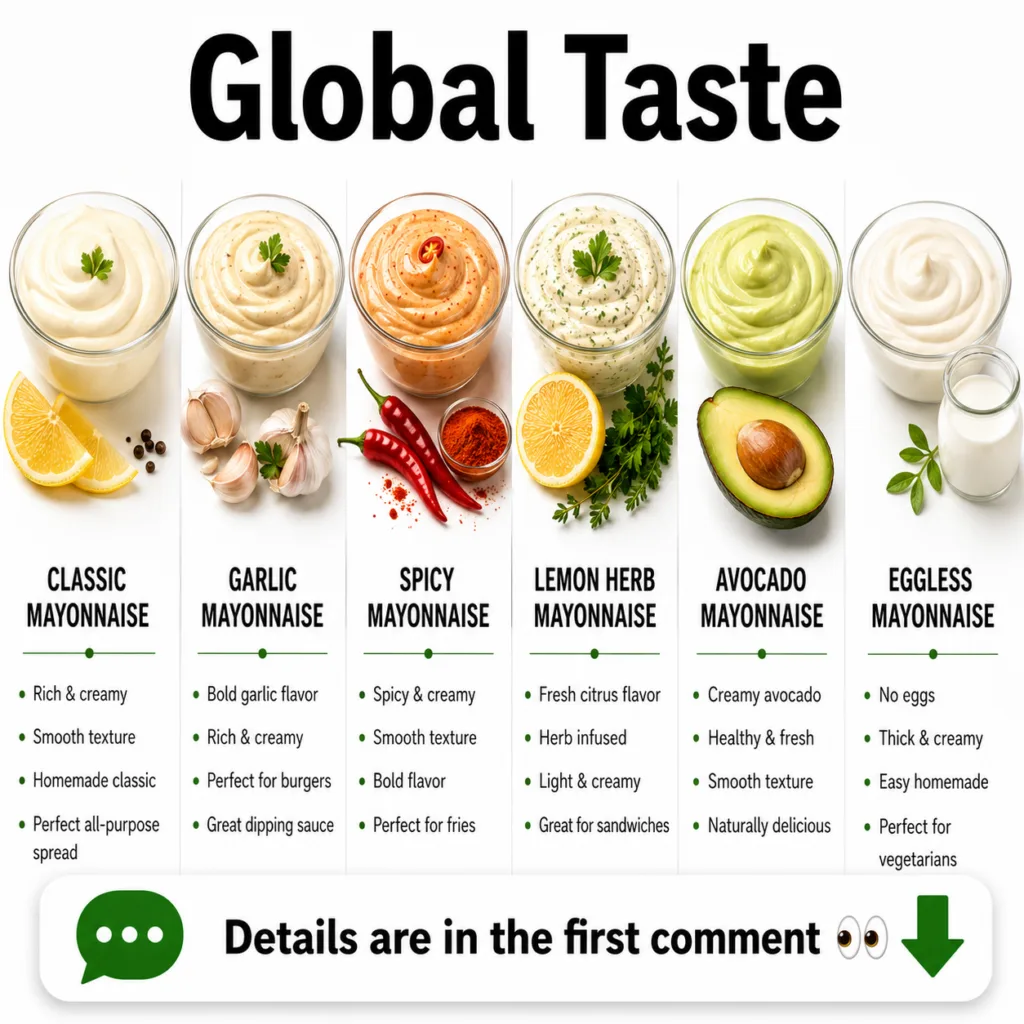
Once you’ve mastered the classic, the possibilities for flavorful mayonnaise variations are endless. Inspired by global tastes, these additions can transform a simple condiment into a star player in your dishes. These variations are often achieved by infusing your classic mayonnaise base with fresh herbs, spices, or other ingredients.
Zesty Garlic Mayonnaise
Garlic mayonnaise, or aioli, is a staple in Mediterranean cuisine. Its pungent, savory kick is perfect for dipping fries, spreading on burgers, or accompanying grilled seafood and vegetables. To make it, simply mince 1-2 cloves of fresh garlic very finely, or roast the garlic for a milder, sweeter flavor, and stir it into your classic homemade mayonnaise.
Fiery Spicy Mayonnaise
For those who love a bit of heat, spicy mayonnaise adds an exciting dimension to sushi, tacos, or chicken sandwiches. Infuse your classic mayo with a dash of your favorite hot sauce (like Sriracha or gochujang), a pinch of cayenne pepper, or finely chopped fresh chilies for a customizable level of spice.
Bright Lemon Herb Mayonnaise
Fresh and aromatic, lemon herb mayonnaise is a fantastic complement to light dishes like fish, chicken salads, or fresh garden salads. Combine the brightness of fresh lemon zest and juice with finely chopped herbs such as dill, parsley, chives, or tarragon. This variation is particularly refreshing during warmer months.
Creamy Avocado Mayonnaise
Adding avocado to mayonnaise creates an incredibly creamy texture and a subtle, earthy flavor, along with a boost of healthy fats. Mash half a ripe avocado and gently fold it into your classic mayonnaise. This version is fantastic for sandwiches, wraps, or as a dip for crudités.
Dairy-Free Eggless Mayonnaise
For those avoiding eggs or dairy, a delicious eggless mayonnaise is entirely possible. While requiring a different base (often made with aquafaba or plant-based milks like soy or oat milk, combined with oil and an emulsifier like mustard or nutritional yeast), the principle remains similar: emulsify a liquid with oil. This creates a creamy, versatile condiment perfect for vegan dishes, offering the same satisfying texture without animal products. Look for dedicated plant-based mayonnaise recipes to guide your eggless creation.
Why Choose Homemade Mayonnaise?
Beyond the undeniable satisfaction of creating something from scratch, homemade mayonnaise offers several compelling advantages:
- Superior Freshness and Taste: No preservatives, artificial flavors, or stabilizers. Just pure, vibrant ingredients.
- Ingredient Control: You choose the quality of your oil, eggs, and seasonings, avoiding unhealthy additives often found in commercial brands.
- Customizable Flavors: The versatility of a homemade base means you can easily adjust seasonings and incorporate various infusions to match your exact preferences and culinary needs.
- Cost-Effective: Often, making your own mayonnaise is more economical than regularly purchasing premium store-bought versions.
Making your own mayonnaise is a simple yet rewarding kitchen hack that empowers you to control the quality and flavor of your food. With just a few basic ingredients and a little patience, you can create a condiment that will truly elevate your meals.
Final Thoughts
Homemade mayonnaise is a game-changer for anyone looking to add fresh, vibrant flavors to their cooking. From the foundational classic recipe to a world of exciting variations, the journey of making your own condiments is both rewarding and delicious. By understanding the simple steps and a few key tips, you can confidently create creamy, flavorful mayonnaise that truly elevates every dish. So, which of these delicious homemade mayonnaise options will you whisk up first?
Medical Disclaimer
The information provided in this article is for general knowledge and informational purposes only, and does not constitute medical advice. It is essential to consult with a qualified healthcare professional or registered dietitian before making any significant dietary changes, especially if you have allergies, medical conditions, or are pregnant or breastfeeding.