Balancing your blood sugar is a cornerstone of overall health and well-being. It can impact your energy levels, mood, weight management, and long-term health. The good news? Achieving more stable blood sugar doesn’t require drastic dietary overhauls. Often, it’s about making simple, conscious food swaps in your daily routine.
This guide will show you how small changes to your plate can lead to significant improvements in your blood sugar balance. We’ll explore everyday choices, highlighting foods that nourish your body and support steady glucose levels, alongside those that can contribute to unwanted spikes and dips.
Ready to discover how simple daily food swaps can make a big difference in supporting healthy blood sugar and boosting your overall well-being?
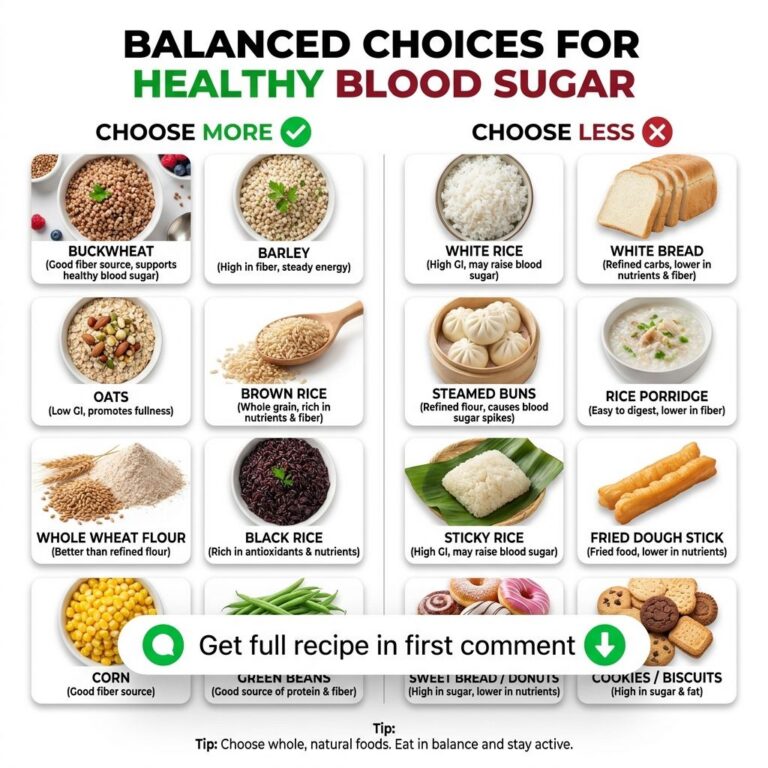
Choose More: Smart Swaps for Stable Blood Sugar
Incorporating more whole, unprocessed foods rich in fiber, healthy fats, and protein is key to maintaining stable blood sugar. These foods are digested slowly, preventing rapid glucose spikes and providing sustained energy.
Buckwheat (Kasha): The Slow-Digesting Carb
Buckwheat, often enjoyed as kasha, is a fantastic complex carbohydrate. Unlike many grains, it has a low glycemic index, meaning it’s digested slowly. This gradual breakdown helps prevent sharp blood sugar spikes, making it an excellent choice for sustained energy and blood sugar support.
Simple Buckwheat Kasha Recipe
**Servings:** 2
**Prep Time:** 5 minutes
**Cook Time:** 15-20 minutes
Ingredients:
- 1 cup raw buckwheat groats
- 2 cups water or vegetable broth
- 1/4 teaspoon salt (optional)
- 1 tablespoon olive oil or butter (optional, for flavor)
Instructions:
- Rinse buckwheat groats thoroughly under cold water.
- In a medium saucepan, combine buckwheat, water (or broth), and salt.
- Bring to a boil, then reduce heat to low, cover, and simmer for 15-20 minutes, or until the liquid is absorbed and buckwheat is tender.
- Fluff with a fork and stir in olive oil or butter if desired. Serve warm as a side dish or breakfast porridge.
Whole Oats (Overnight Oats): Fiber-Rich Powerhouse
Whole oats, especially when prepared as overnight oats, are rich in soluble fiber, particularly beta-glucan. This fiber forms a gel in your digestive system, slowing down the absorption of glucose and helping to regulate blood sugar levels more effectively.
Basic Overnight Oats Recipe
**Servings:** 1
**Prep Time:** 5 minutes
**Chill Time:** At least 4 hours or overnight
Ingredients:
- 1/2 cup rolled oats (not instant)
- 1 cup milk (dairy or non-dairy)
- 1 tablespoon chia seeds (for extra fiber and healthy fats)
- 1/2 cup mixed berries (like blueberries or raspberries)
- 1/2 teaspoon sweetener (maple syrup or honey, optional)
Instructions:
- In a jar or container, combine rolled oats, milk, and chia seeds. Stir well.
- Add berries and optional sweetener, stirring again to combine.
- Cover and refrigerate for at least 4 hours, or preferably overnight, until the oats have softened and the mixture has thickened.
- Enjoy cold.
Barley: Boosting Insulin Sensitivity
Barley is another ancient grain packed with beta-glucan, a type of soluble fiber that has been shown to improve insulin sensitivity. This means your body can use insulin more efficiently to manage blood sugar, making barley a valuable addition to your diet.
Brown Rice: Steady Energy Release
Choosing brown rice over white rice significantly increases your fiber and nutrient intake. Its higher fiber content ensures a slower, more sustained release of glucose into the bloodstream, providing steady energy without the rapid spikes often associated with refined grains.
Whole Wheat Bread: A Better Bread Choice
While still a carbohydrate, whole wheat bread generally offers more fiber than its white counterpart. This added fiber helps to slow digestion and mitigate the blood sugar spike, offering a slightly better option when choosing bread products.
Legumes (Lentils, Chickpeas): Fiber and Protein Champions
Legumes like lentils and chickpeas are nutritional powerhouses, loaded with both fiber and plant-based protein. This combination is excellent for blood sugar control, as both nutrients help slow digestion and keep you feeling full and satisfied, reducing the likelihood of overeating.
Berries (Blueberries, Raspberries): Sweetness with Benefits
Craving something sweet? Reach for berries! Blueberries, raspberries, and other berries are rich in antioxidants and fiber, and have a lower glycemic impact compared to many other fruits. They provide natural sweetness without causing a dramatic surge in blood sugar.
Nuts & Seeds (Almonds, Chia): Healthy Fats, Fiber, and Protein
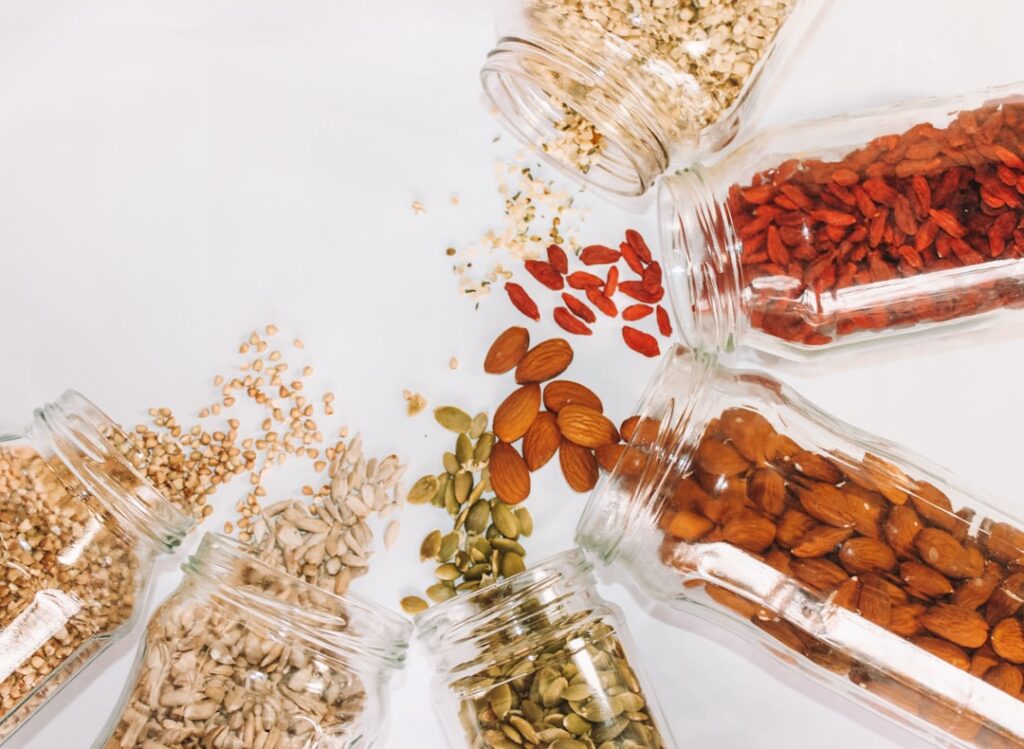
Almonds, chia seeds, and other nuts and seeds are rich in healthy fats, fiber, and protein. This powerful trio promotes satiety, helping to manage appetite, and contributes to stable blood sugar by slowing the digestion and absorption of carbohydrates.
Choose Less: Foods to Limit for Better Health
Certain foods, particularly those high in refined carbohydrates and added sugars, can cause rapid blood sugar fluctuations. Limiting these items is a critical step towards better blood sugar management.
White Rice: The Rapid Spike
Stripped of its fiber-rich outer layers, white rice contains very little fiber. This lack of fiber means it’s quickly digested, leading to a rapid and often significant spike in blood sugar levels.
White Bread/Buns: Refined Carb Rollercoaster
Similar to white rice, white bread and buns are made from refined flour, which is rapidly converted into sugar in your body. This can send your blood sugar on a rollercoaster, leading to energy crashes and increased cravings.
Sugary Cereals: A Sweet Start to Trouble
Many breakfast cereals are laden with added sugars, contributing significantly to insulin resistance over time. Starting your day with a sugary cereal can initiate a cycle of blood sugar highs and lows throughout the day.
Flour Tortillas: Sneaky Refined Carbs
Often overlooked, flour tortillas are typically made from refined flour, giving them a similar effect on blood sugar as white bread. They can contribute to quick glucose conversion and less stable levels.
Cookies/Pastries: Sugar and Unhealthy Fat Traps
These tempting treats are often packed with high amounts of sugar and unhealthy fats. Consuming them can lead to a quick blood sugar surge followed by a crash, creating an unhealthy cycle of cravings.
Fried Doughnuts/Pastries: Empty Calories and Inflammation
Fried doughnuts and similar pastries offer empty calories with little nutritional value. Furthermore, they can contain trans fats, contributing to inflammation and negatively impacting overall health, including blood sugar regulation.
Sweetened Beverages: Liquid Sugar Shock
Sweetened beverages like sodas, fruit juices (with added sugar), and energy drinks are essentially liquid sugar. They are absorbed incredibly quickly, causing the fastest and most dramatic spikes in blood sugar, making them one of the most impactful items to reduce.
Candy/Confectionery: Immediate Blood Sugar Surge
Candy and confectionery are pure sugar, designed to provide an immediate burst of glucose. This causes an instant and significant blood sugar surge, which can be detrimental to long-term blood sugar health.
Concluding Wisdom: The Pillars of Blood Sugar Health
Remember, managing blood sugar isn’t just about individual food choices; it’s about a holistic approach to your lifestyle. The core principles remain:
- Whole, Natural Foods: Prioritize foods in their most natural state – fruits, vegetables, whole grains, lean proteins, and healthy fats.
- Balance: Aim for balanced meals that include a mix of complex carbohydrates, protein, and healthy fats to slow digestion and maintain steady blood sugar.
- Activity: Regular physical activity plays a crucial role in improving insulin sensitivity and helping your body use glucose more efficiently.
By focusing on these pillars and making smart, informed food swaps daily, you empower yourself to achieve healthier blood sugar levels and enhance your overall vitality.