Did you know calcium is crucial not just for strong bones, but also for muscle function, nerve transmission, and even heart health? This essential mineral plays a vital role in keeping your body functioning at its best. Fueling your body with adequate calcium is a cornerstone of overall wellness and vitality, helping to support a strong skeletal structure and many other important bodily processes.
At Wellness Daily, we believe in empowering you with knowledge. This article is designed to provide comprehensive, science-informed information about calcium and calcium-rich foods. Please remember that this content is for educational purposes only and is not a substitute for professional medical advice, diagnosis, or treatment. Always consult with a qualified healthcare professional before making any changes to your diet or health regimen.
The Power of Calcium: More Than Just Bones
While calcium is most famously known for its role in building and maintaining strong bones and teeth, its functions extend far beyond the skeletal system. Calcium is essential for:
- Muscle Function: It helps muscles contract and relax properly, including your heart muscle.
- Nerve Transmission: Calcium is critical for nerve signals to travel from your brain to other parts of your body.
- Hormone Secretion: It plays a part in the release of hormones and enzymes.
- Blood Clotting: Calcium is a key factor in the complex process of blood coagulation.
Without sufficient calcium, your body may draw it from your bones, which can lead to weakened bones over time. Ensuring you get enough through your diet is key to preventing this and supporting long-term health.
Calcium-Rich Foods: Delicious Dairy Options
Dairy products are widely recognized as excellent sources of bioavailable calcium, meaning the body can absorb and utilize it efficiently. If you consume dairy, these options can be a delicious part of your daily intake:
- Milk: A classic source, one cup of milk provides a significant portion of your daily calcium needs.
- Yogurt: Especially Greek yogurt, it often contains even more calcium than milk, along with beneficial probiotics. Choose plain varieties to limit added sugars.
- Cheese: Many types of cheese are packed with calcium, with parmesan, cheddar, and mozzarella being particularly good choices.

Fantastic Non-Dairy Calcium Sources
For those who are lactose intolerant, vegan, or simply prefer non-dairy options, there’s a wealth of plant-based foods that can contribute significantly to your calcium intake. Many plant-based foods are naturally rich in calcium, and many others are fortified to boost their nutritional value.
- Leafy Green Vegetables: Kale, collard greens, turnip greens, and spinach are excellent sources, though some (like spinach) contain oxalates that can reduce absorption slightly.
- Fortified Plant Milks: Almond milk, soy milk, oat milk, and rice milk are often fortified with calcium to levels comparable to cow’s milk. Always check the label.
- Tofu and Tempeh: Especially those prepared with calcium sulfate, these soy products are potent sources of calcium.
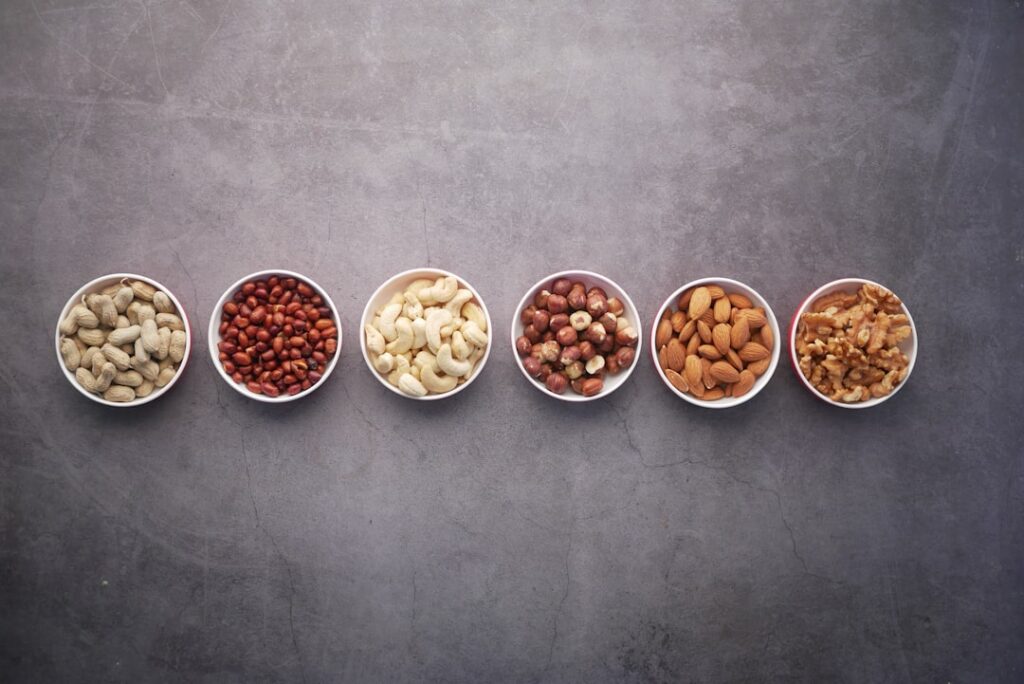
- Nuts and Seeds: Almonds, chia seeds, and sesame seeds (or tahini) offer a good amount of calcium, along with healthy fats and fiber.
- Beans and Lentils: White beans, black beans, and chickpeas contain calcium, plus protein and fiber.
- Fortified Orange Juice: Some brands offer calcium-fortified orange juice.
- Canned Salmon and Sardines: If you eat fish, these options provide calcium from their edible bones, along with omega-3 fatty acids.
How Much Calcium Do You Need?
The recommended daily intake of calcium varies by age and sex. For most adults aged 19-50, the recommendation is around 1,000 milligrams (mg) per day. This increases to 1,200 mg per day for women over 50 and men over 70. Pregnant and breastfeeding women also have specific calcium needs.
It’s always a good idea to discuss your specific dietary needs with a healthcare professional or a registered dietitian, especially if you have concerns about your calcium intake or have underlying health conditions.
Maximizing Calcium Absorption
Getting enough calcium is only part of the equation; your body also needs to be able to absorb it effectively. Here are a few factors that may help support calcium absorption:
- Vitamin D: This vitamin is crucial for calcium absorption in the gut. Sunlight exposure and foods like fatty fish (salmon, mackerel) and fortified foods (milk, cereal) are good sources.
- Magnesium: Another mineral that works synergistically with calcium, found in nuts, seeds, leafy greens, and whole grains.
Incorporating a variety of calcium-rich foods into your diet, both dairy and non-dairy, is a fantastic way to support your bone health and overall well-being. What’s your favorite way to get more calcium into your diet? Share your tips and ideas below!