Are you looking for natural ways to feel lighter, reduce bloating, and support your overall digestive health? While no single food is a ‘miracle worker,’ incorporating certain nutrient-rich options into your diet may help you on your journey towards a more balanced and comfortable body. A ‘flatter tummy’ is often a reflection of a healthy digestive system, reduced water retention, and a balanced diet.
At Wellness Daily, we believe in fueling your body right with delicious, wholesome foods. We’ve rounded up 10 amazing foods that are commonly associated with supporting healthy digestion and reducing discomfort that can contribute to a bloated feeling. Remember, these suggestions are for educational purposes and are not a substitute for professional medical advice or treatment. Always consult with a healthcare professional for personalized health guidance.
Why Focus on Digestive Health for a ‘Flatter Tummy’?
Many factors contribute to how our midsection feels and looks, including diet, lifestyle, stress, and gut health. Bloating, often caused by gas, indigestion, or fluid retention, can make your stomach feel distended. By choosing foods that support a healthy gut microbiome, aid digestion, and are rich in fiber and beneficial nutrients, you can naturally work towards feeling lighter and more comfortable.
10 Foods That May Help Support a Flatter Tummy
1. Avocado
- Avocados are packed with healthy monounsaturated fats, which are known to be satiating and may help reduce inflammation.
- They also provide a good amount of fiber, essential for healthy digestion and regular bowel movements, which can prevent constipation and bloating.
2. Berries (Blueberries, Raspberries, Strawberries)
- Berries are rich in antioxidants and fiber.
- Their high fiber content supports digestive regularity and can help you feel full, reducing the likelihood of overeating.
- They also have a relatively low sugar content compared to other fruits.
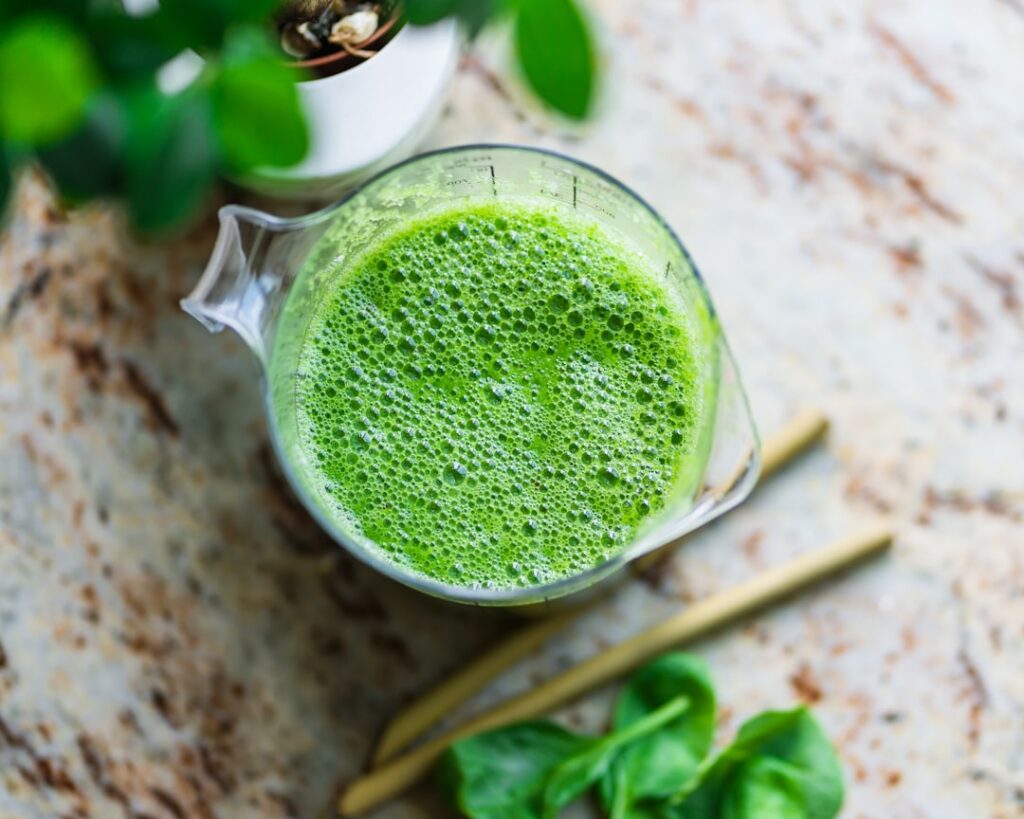
3. Leafy Green Vegetables (Spinach, Kale, Romaine)
- These nutrient powerhouses are high in fiber, vitamins, and minerals.
- They are also low in calories and contribute to hydration due to their high water content, which is important for preventing constipation.
4. Fermented Foods (Yogurt, Kimchi, Sauerkraut)
- Fermented foods are excellent sources of probiotics, beneficial bacteria that support a healthy gut microbiome.
- A balanced gut flora is crucial for efficient digestion, nutrient absorption, and reducing gas and bloating.
- Choose plain, unsweetened varieties of yogurt.
5. Oats
- Oats are a fantastic source of soluble fiber, particularly beta-glucan.
- This fiber can help regulate blood sugar levels, promote satiety, and support healthy digestion, which may reduce bloating.
6. Ginger
- Ginger has been traditionally used for its digestive benefits.
- It contains compounds that may help soothe the digestive tract, reduce nausea, and alleviate gas and bloating.
- Try it as a tea or add fresh ginger to your meals.
7. Peppermint Tea
- Peppermint is well-known for its ability to relax the muscles of the digestive tract.
- This relaxation can help relieve spasms that contribute to gas and bloating, making peppermint tea a comforting post-meal beverage.
8. Cucumber
- Cucumbers are over 95% water, making them incredibly hydrating and a natural diuretic.
- This can help reduce water retention and swelling, contributing to a lighter feeling.
- They are also low in calories and easy to digest.

9. Lean Protein (Chicken Breast, Fish, Legumes, Tofu)
- Protein is essential for building and repairing tissues, and it’s also highly satiating.
- Including adequate lean protein in your diet can help you feel fuller for longer, potentially reducing cravings and overall calorie intake, which supports healthy weight management.
10. Nuts and Seeds (Almonds, Chia Seeds, Flaxseeds)
- These tiny powerhouses are rich in healthy fats, fiber, and protein.
- The fiber content helps promote regularity and gut health, while the healthy fats and protein contribute to satiety.
- Portion control is key, as they are calorie-dense.
Beyond Food: Other Tips for a Balanced Tummy
While food plays a significant role, a holistic approach is always best:
- Stay Hydrated: Drink plenty of water throughout the day to support digestion and prevent constipation.
- Chew Thoroughly: Eating slowly and chewing your food completely can reduce air swallowing and aid digestion.
- Manage Stress: Stress can significantly impact digestion. Incorporate stress-reducing activities like yoga, meditation, or spending time in nature.
- Limit Processed Foods: Foods high in sugar, unhealthy fats, and artificial ingredients can disrupt gut health and lead to bloating.
- Exercise Regularly: Physical activity can help move gas through your digestive system and support overall wellness.
Embrace Your Wellness Journey
Incorporating these foods into your diet is a wonderful step towards supporting your digestive health and overall well-being. By focusing on whole, unprocessed ingredients, listening to your body, and maintaining a healthy lifestyle, you can work towards feeling your best, inside and out.
Which of these foods are already staples in your kitchen, or which ones are you excited to try? Share your favorites and tips in the comments below!