Iron is an essential mineral that plays a vital role in many bodily functions, most notably in transporting oxygen throughout your body. Without enough iron, you might experience fatigue, weakness, and a general lack of energy. Fortunately, nature provides an abundance of iron-rich foods from both plant and animal sources.
Understanding the differences between these two types of iron and how your body absorbs them can help you make informed dietary choices to meet your daily iron needs. Let’s dive into the world of iron-rich foods and discover how you can fuel your body effectively.
Why is Iron So Important?
Iron is a fundamental component of hemoglobin, a protein in red blood cells that carries oxygen from your lungs to all parts of your body. It’s also part of myoglobin, a protein that stores oxygen in muscle cells. Beyond oxygen transport, iron is crucial for energy production, immune function, and neurological development. A deficiency in iron, known as iron-deficiency anemia, can lead to a range of symptoms including:
- Persistent fatigue and weakness
- Pale skin
- Shortness of breath
- Dizziness
- Brittle nails
- Cold hands and feet
Ensuring adequate iron intake is key to maintaining vitality and overall health.
Heme Iron: The Animal Advantage
Heme iron is a type of iron found exclusively in animal products, primarily in hemoglobin and myoglobin. It is known for its high bioavailability, meaning your body absorbs it more easily and efficiently compared to non-heme iron.
Key Animal Sources of Heme Iron:
- Red Meat: Beef, lamb, and venison are excellent sources. Lean cuts are preferable.
- Poultry: Chicken and turkey, especially the darker meat, contain significant amounts of heme iron.
- Fish: Varieties like tuna, salmon, and sardines are good sources.
- Shellfish: Oysters, clams, and mussels are exceptionally rich in heme iron.
While heme iron is highly absorbable, it’s worth noting that some animal products, particularly red meats, can also be high in saturated fat and cholesterol. Balancing your intake and choosing leaner options is often recommended for heart health.
Non-Heme Iron: Powering Up with Plants
Non-heme iron is the form of iron found in plant-based foods and also in some animal products (like eggs and dairy, though in smaller amounts). While it’s generally less bioavailable than heme iron, a well-planned diet rich in plant-based foods can still provide ample iron.
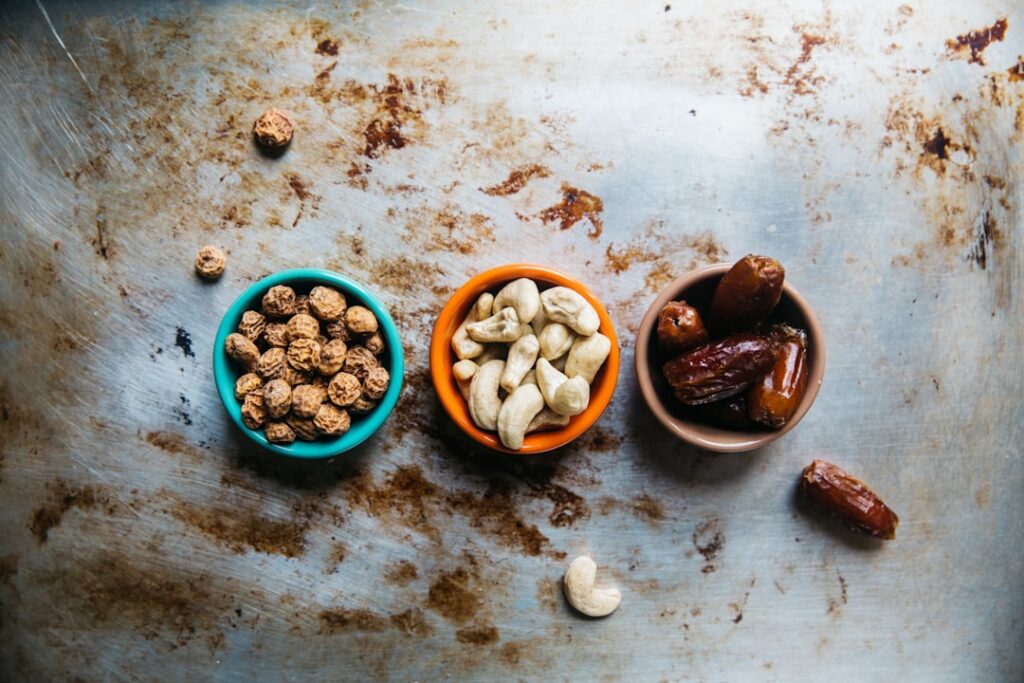
Key Plant Sources of Non-Heme Iron:
- Legumes: Lentils, chickpeas, black beans, kidney beans, and soybeans (edamame, tofu) are packed with non-heme iron.
- Leafy Green Vegetables: Spinach, kale, and Swiss chard are notable sources.
- Nuts and Seeds: Pumpkin seeds, sesame seeds, cashews, and almonds can contribute to your iron intake.
- Whole Grains: Oats, quinoa, and brown rice contain iron, and many breakfast cereals are fortified with iron.
- Dried Fruits: Raisins, apricots, and prunes offer some iron, alongside other beneficial nutrients.
Boosting Non-Heme Iron Absorption
To maximize the absorption of non-heme iron from plant sources, consider these practical tips:
- Pair with Vitamin C: Consuming non-heme iron alongside foods rich in Vitamin C (e.g., citrus fruits, bell peppers, broccoli, strawberries) can significantly enhance absorption. For instance, enjoy spinach with a squeeze of lemon juice or add bell peppers to your bean chili.
- Avoid Tannins and Phytates (in excess): Compounds like tannins (found in tea and coffee) and phytates (in grains and legumes) can inhibit iron absorption. While you don’t need to eliminate these beneficial foods, consider consuming tea and coffee between meals rather than with them. Soaking, sprouting, and fermenting legumes and grains can also help reduce phytate levels.
- Cook in Cast Iron: Cooking in cast iron cookware can subtly increase the iron content of your meals.
- Limit Calcium with Iron: Large amounts of calcium, found in dairy products and supplements, may interfere with iron absorption. If you take calcium supplements, consider taking them at a different time than your iron-rich meals or supplements.
Making the Best Choices for You
Whether you follow an omnivorous, vegetarian, or vegan diet, meeting your iron needs is achievable through careful food choices. Omnivores can benefit from a balance of both heme and non-heme iron sources. Vegetarians and vegans can effectively meet their iron requirements by focusing on a variety of non-heme iron-rich foods and consistently applying absorption-boosting strategies like pairing with Vitamin C.
Listen to your body, maintain a varied diet, and if you have concerns about your iron levels or suspect a deficiency, always consult with a healthcare professional or a registered dietitian. They can provide personalized advice and recommendations based on your individual health needs.
Disclaimer: This article is for informational purposes only and does not constitute medical advice. Always consult with a qualified healthcare professional for any health concerns or before making any changes to your diet or treatment plan.