Your Ultimate Protein-Rich Foods Guide!
Protein is much more than just a buzzword in the fitness world; it’s a fundamental macronutrient essential for nearly every bodily function. From building and repairing tissues to producing enzymes and hormones, protein plays a pivotal role in keeping you healthy and strong. If you’ve been wondering how to fuel your body effectively, enhance muscle health, boost your metabolism, and generally feel more vibrant, understanding your protein intake is a fantastic place to start.
In this comprehensive guide, we’ll dive deep into why protein is so crucial, explore a variety of delicious sources, and offer practical tips to effortlessly incorporate more of this vital nutrient into your daily diet. Let’s unlock the power of protein together!
Why is Protein So Important?
Protein is often called the building block of life, and for good reason. It’s composed of amino acids, which are the fundamental components of muscles, bones, skin, hair, and virtually every other body part. But its importance extends far beyond structure.
Muscle Maintenance and Growth
Whether you’re an athlete or simply aiming for healthy aging, protein is crucial for muscle health. It helps repair muscle tissues after exercise and is essential for building new muscle mass. Adequate protein intake can help preserve lean muscle, which naturally declines with age, supporting strength and mobility.
Satiety and Weight Management
Feeling full and satisfied after meals can be a challenge for many. Protein is known for its ability to increase satiety, meaning it helps you feel fuller for longer compared to fats and carbohydrates. This can naturally lead to reduced overall calorie intake, which may support healthy weight management goals.
Metabolism Boost
Digesting protein requires more energy than digesting fats or carbohydrates. This phenomenon, known as the thermic effect of food (TEF), means that protein can temporarily boost your metabolism, helping your body burn more calories. While not a ‘miracle’ solution, it’s a valuable piece of the metabolic puzzle.
Bone Health and Immunity
Beyond muscles, protein is an integral part of bone structure and plays a key role in maintaining bone density. Furthermore, antibodies, which are crucial components of your immune system, are made from protein. Ensuring sufficient protein intake can help support a robust immune response.
Top Protein-Rich Food Sources
The good news is that protein can be found in a wide array of delicious foods, catering to various dietary preferences. Here are some top picks:
Animal-Based Proteins
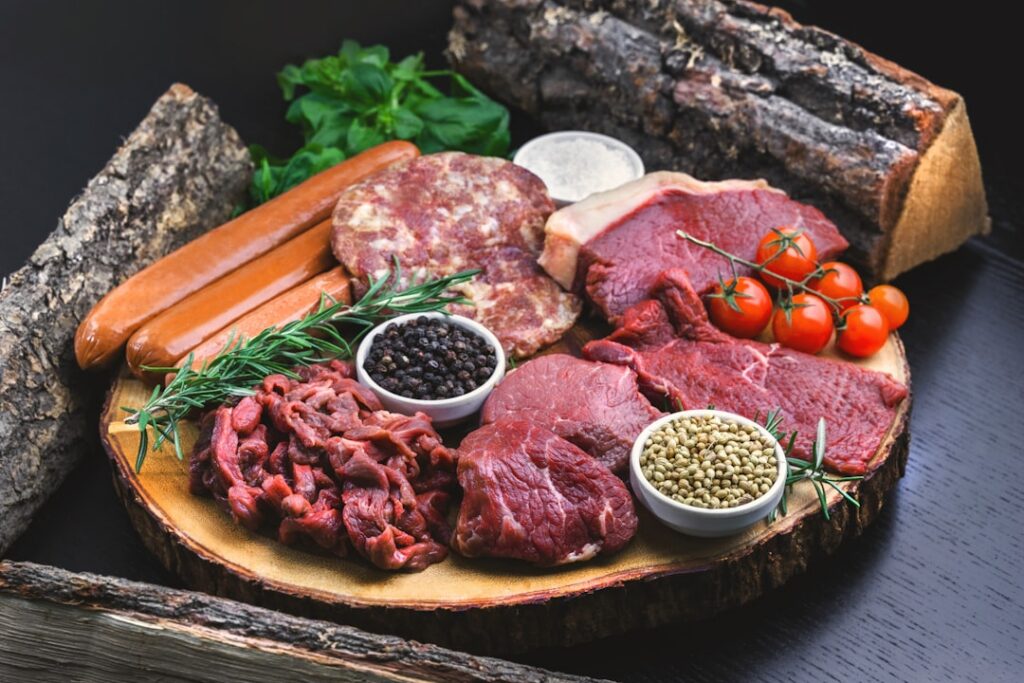
- Lean Meats: Chicken breast, turkey, and lean cuts of beef or pork are excellent sources of complete protein, providing all essential amino acids.
- Fish and Seafood: Salmon, tuna, cod, and shrimp are not only protein-packed but also offer beneficial omega-3 fatty acids, especially fatty fish like salmon.
- Eggs: Often called nature’s perfect protein, eggs are versatile, affordable, and contain high-quality protein along with numerous vitamins and minerals.
- Dairy Products: Greek yogurt, cottage cheese, milk, and cheese are rich in protein and calcium, supporting both muscle and bone health. Greek yogurt, in particular, offers a substantial protein punch.
Plant-Based Proteins
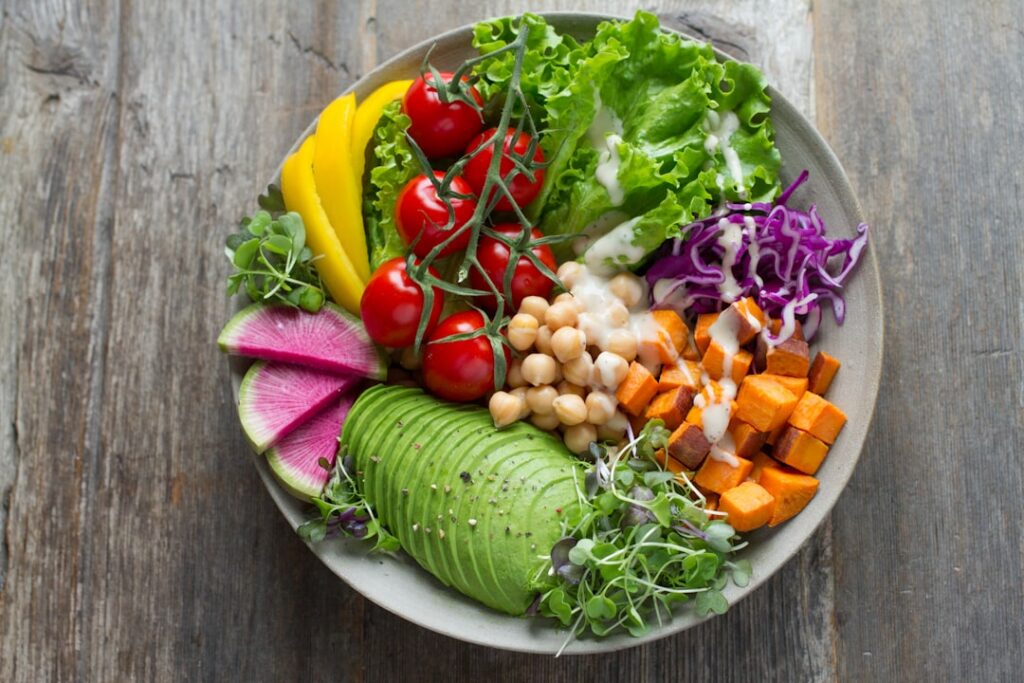
- Legumes: Lentils, chickpeas, black beans, and kidney beans are incredibly versatile and packed with protein and fiber.
- Tofu and Tempeh: Made from soybeans, these plant-based options are complete proteins and can be incorporated into a wide variety of dishes, from stir-fries to salads.
- Quinoa: This ancient grain is unique among plant foods as it is a complete protein, offering all nine essential amino acids.
- Nuts and Seeds: Almonds, peanuts, chia seeds, flax seeds, and hemp seeds are convenient sources of protein, healthy fats, and fiber, perfect for snacks or meal additions.
- Edamame: Whole, immature soybeans that can be enjoyed steamed or added to salads for a protein boost.
How Much Protein Do You Need?
The recommended dietary allowance (RDA) for protein is generally 0.8 grams per kilogram (g/kg) of body weight per day for the average healthy adult. However, this is a minimum to prevent deficiency, not necessarily an optimal intake for everyone.
Your individual protein needs can vary based on several factors:
- Activity Level: Athletes and individuals engaging in regular intense exercise may benefit from higher protein intake (e.g., 1.2-2.0 g/kg body weight) to support muscle repair and growth.
- Age: Older adults may require more protein to help prevent muscle loss (sarcopenia).
- Goals: If you’re looking to build muscle, lose weight, or manage satiety, a higher protein intake may be beneficial.
It’s always a good idea to consult with a healthcare professional or a registered dietitian to determine the best protein intake for your specific needs and health goals.
Tips for Boosting Your Protein Intake
Incorporating more protein into your diet doesn’t have to be complicated. Here are some simple and effective strategies:
- Start Your Day with Protein: Instead of a high-carb breakfast, opt for eggs, Greek yogurt, a protein smoothie, or cottage cheese to kickstart your metabolism and maintain satiety throughout the morning.
- Add Protein to Every Meal: Make it a habit to include a lean protein source at breakfast, lunch, and dinner. This helps stabilize blood sugar and keeps hunger at bay.
- Smart Snacking: Choose protein-rich snacks like a handful of nuts, a hard-boiled egg, a piece of string cheese, or edamame instead of sugary or highly processed options.
- Boost Soups and Salads: Add cooked chicken, beans, lentils, or tofu to your soups and salads for an easy protein upgrade.
- Consider Protein Powders: While whole foods should always be your primary source, protein powders (whey, casein, soy, pea, or rice protein) can be a convenient supplement, especially post-workout or when you need a quick protein boost. Always choose reputable brands and read ingredient labels carefully.
Fuel Your Body the Right Way
Embracing a diet rich in protein is a powerful step towards improved muscle health, enhanced strength, better metabolism, and overall well-being. By integrating a variety of animal and plant-based protein sources into your daily meals and snacks, you can effectively fuel your body and support your health goals.
Remember, while this guide offers valuable information, it is purely educational and not a substitute for professional medical advice or treatment. Always consult with a healthcare provider for personalized dietary recommendations.