Embarking on a fertility journey can be an exciting, yet often overwhelming time. While many factors influence reproductive health, a well-balanced diet plays a significant role in supporting your body and preparing it for conception. Fueling your body with nutrient-rich foods may help enhance your reproductive health and overall well-being.
This article will explore key nutrients and top food choices that research suggests are associated with improved fertility. Remember, dietary changes are one piece of a larger puzzle, and it’s always best to consult with a healthcare professional for personalized advice.
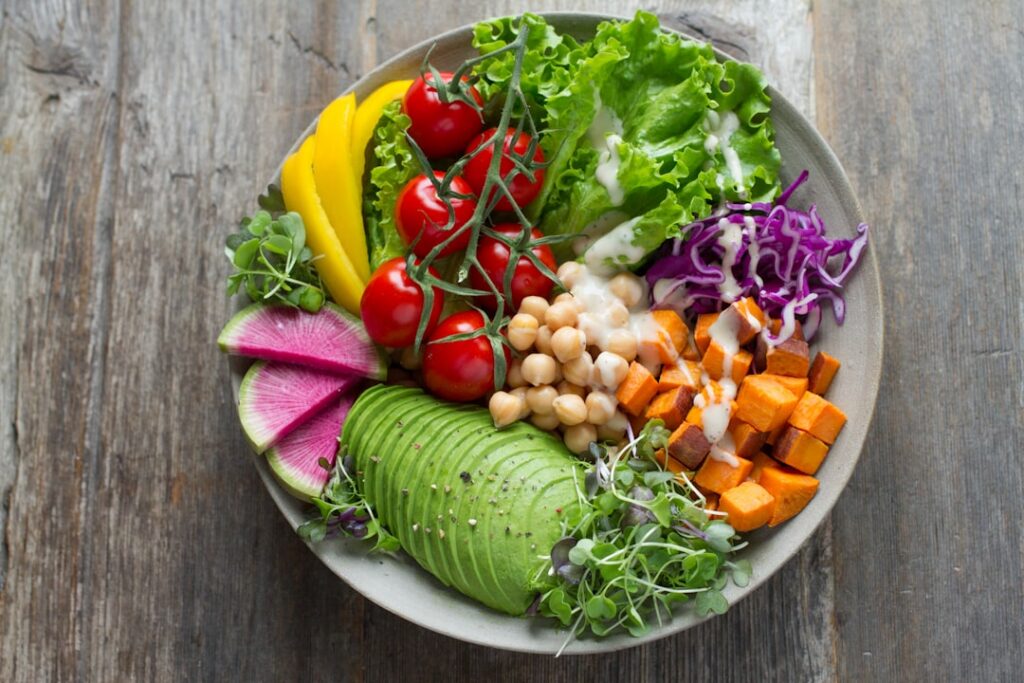
Understanding the Connection: Nutrition and Fertility
The foods we eat provide the essential building blocks for hormones, egg and sperm quality, and reproductive organ function. A diet rich in specific vitamins, minerals, antioxidants, and healthy fats can create a more favorable environment for conception. Conversely, a diet high in processed foods, unhealthy fats, and excessive sugar may negatively impact reproductive health.
Key Nutrients for Reproductive Health
- Folate/Folic Acid: Crucial for DNA synthesis and cell division, essential for early fetal development.
- Iron: Important for red blood cell production and preventing anemia, which can impact ovulation.
- Zinc: Vital for sperm production and quality in men, and egg development and fertilization in women.
- Omega-3 Fatty Acids: May help regulate hormones, reduce inflammation, and improve blood flow to reproductive organs.
- Antioxidants (Vitamins C, E, Selenium): Protect eggs and sperm from oxidative stress and damage.
- B Vitamins (especially B6, B12): Involved in hormone regulation and energy production.
- Vitamin D: Associated with hormone balance and reproductive function.
Top Foods to Support Your Fertility Journey
Incorporating a variety of these nutrient-dense foods into your diet may help support your reproductive health.
1. Leafy Green Vegetables
Spinach, kale, Swiss chard, and romaine lettuce are powerhouses of folate, iron, and antioxidants. Folate is particularly important for preventing neural tube defects in early pregnancy.
- Examples: Spinach, kale, collard greens, broccoli.
- How to include: Add to smoothies, salads, stir-fries, or as a side dish.
2. Colorful Berries and Fruits
Berries like blueberries, raspberries, and strawberries are packed with antioxidants (such as Vitamin C and phytonutrients) that may help protect cells from damage. Citrus fruits are also excellent sources of Vitamin C and folate.
- Examples: Blueberries, strawberries, raspberries, oranges, grapefruits.
- How to include: Enjoy as snacks, add to yogurt or oatmeal, or blend into smoothies.
3. Healthy Fats
Monounsaturated and polyunsaturated fats are crucial for hormone production and cell health. Omega-3 fatty acids, found in certain sources, are particularly beneficial.
- Avocado: Rich in monounsaturated fats, Vitamin E, and folate.
- Nuts and Seeds: Walnuts are an excellent source of Omega-3s. Flaxseeds, chia seeds, and pumpkin seeds provide healthy fats, fiber, and zinc.
- Olive Oil: A staple of the Mediterranean diet, offering healthy monounsaturated fats.
4. Whole Grains
Opt for complex carbohydrates over refined grains. Whole grains like quinoa, brown rice, oats, and whole wheat bread provide sustained energy, fiber, and B vitamins, which are important for hormone metabolism.
- Examples: Quinoa, brown rice, oats, whole-wheat pasta, whole-grain bread.
- How to include: Use as a base for meals, in breakfast cereals, or as an alternative to refined grains.
5. Lean Proteins (Plant-Based and Fish)
Adequate protein intake is essential. Focus on plant-based proteins and certain fish for their beneficial nutrient profiles.
- Legumes: Lentils, beans, and chickpeas are excellent sources of plant-based protein, iron, and folate. Studies suggest that replacing some animal protein with plant protein may be associated with improved fertility.
- Fatty Fish: Salmon, mackerel, and sardines are rich in Omega-3 fatty acids. Choose fish that are low in mercury.
- Poultry: Lean chicken and turkey can provide quality protein without excessive saturated fat.
6. Full-Fat Dairy (in moderation)
Some research suggests that full-fat dairy, rather than low-fat, may be associated with improved fertility in women. Dairy products provide calcium, Vitamin D, and protein. However, individual responses vary, and moderation is key.
- Examples: Full-fat yogurt, milk, cottage cheese.
Practical Tips for a Fertility-Supportive Diet
- Eat a Rainbow: Aim for a wide variety of colorful fruits and vegetables to ensure a broad spectrum of nutrients and antioxidants.
- Choose Whole Foods: Prioritize fresh, unprocessed foods over highly processed alternatives.
- Stay Hydrated: Drink plenty of water throughout the day.
- Limit Sugar and Refined Carbs: These can lead to blood sugar spikes and may negatively impact hormone balance.
- Reduce Caffeine and Alcohol: Moderate intake is often recommended when trying to conceive.
- Consider a Prenatal Vitamin: A good quality prenatal vitamin can help fill any nutritional gaps and ensure you’re getting adequate folate and other essential nutrients.
Important Disclaimer
This article is for informational purposes only and is not intended as medical advice. Dietary changes and supplements should always be discussed with a healthcare provider, especially when trying to conceive or manage existing health conditions. A doctor or registered dietitian can provide personalized guidance tailored to your specific needs.