Living with diabetes doesn’t mean sacrificing delicious food or feeling restricted. In fact, making smart food choices can be a journey of discovering new, flavorful, and incredibly beneficial alternatives. The key lies in understanding how certain foods impact your blood sugar and opting for swaps that support stable levels, provide essential nutrients, and boost your overall well-being.
This guide is inspired by the simple yet powerful idea that small, consistent changes in your diet can lead to significant improvements in diabetes management and a healthier, more vibrant life. Let’s dive into some smart food swaps that can help you unlock better health without feeling deprived.
Why Food Swaps Are Essential for Diabetes Management
For individuals managing diabetes, diet plays a critical role. The foods you eat directly influence your blood glucose levels. Carbohydrates, in particular, break down into sugar in the body. While not all carbs are bad, the type and quantity matter immensely. Highly processed, sugary, and refined carbohydrate-rich foods can cause rapid spikes in blood sugar, making management challenging. Conversely, whole, unprocessed foods rich in fiber, lean protein, and healthy fats help stabilize blood sugar, provide sustained energy, and contribute to satiety.
Making strategic food swaps empowers you to:
- Maintain more stable blood glucose levels.
- Reduce the risk of diabetes complications.
- Achieve and maintain a healthy weight.
- Increase your intake of essential vitamins, minerals, and fiber.
- Enjoy a more varied and nutrient-dense diet.
Key Smart Food Swaps for Better Health
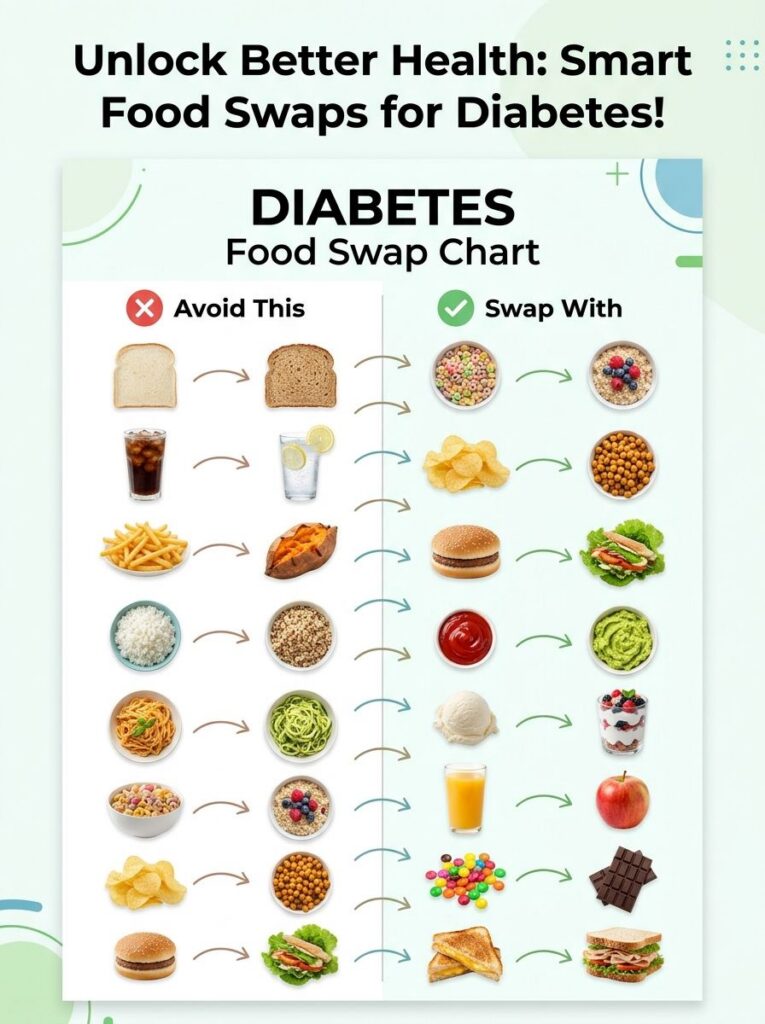
1. From White Grains to Whole Grains
Avoid This: White Bread, White Rice
Refined grains like white bread and white rice have had their bran and germ removed, stripping them of fiber, vitamins, and minerals. This processing also means they are digested quickly, leading to rapid blood sugar spikes.
Swap With: Whole Wheat Bread, Brown Rice, Quinoa, Oats
- Whole Wheat Bread: Look for 100% whole wheat or whole grain bread. The fiber helps slow sugar absorption.
- Brown Rice or Quinoa: These whole grains offer more fiber, protein, and nutrients than white rice, contributing to better blood sugar control and longer-lasting fullness. Quinoa is a complete protein, making it an excellent choice.
- Oatmeal (Unsweetened): A fantastic breakfast option, especially steel-cut or rolled oats. They are rich in soluble fiber, which can help lower cholesterol and regulate blood sugar.
2. Rethink Your Drinks: Sugar Out, Hydration In
Avoid This: Sugary Sodas, Sweetened Juices
These beverages are liquid sugar bombs, causing immediate and significant blood sugar surges with virtually no nutritional value. They contribute to weight gain and provide empty calories.
Swap With: Water with Lemon/Lime, Unsweetened Tea
- Lemon Water: Simple, refreshing, and calorie-free. Adding slices of lemon, lime, or cucumber can make plain water more appealing.
- Unsweetened Herbal Tea: Enjoy various flavors without the sugar. Green tea, in particular, offers antioxidants and may have additional metabolic benefits.
3. Healthier Snacking: Crunch Without the Crash
Avoid This: Chips, French Fries, Sugary Cookies
Processed snacks are often high in unhealthy fats, sodium, and refined carbohydrates, leading to quick energy spikes followed by crashes, and contributing to inflammation and weight gain.
Swap With: Roasted Chickpeas, Sweet Potato Fries, Fresh Fruit & Nuts
- Roasted Chickpeas: A crunchy, savory, and protein-rich snack. They provide fiber and help you feel full.
- Baked Sweet Potato Fries: Sweet potatoes are a good source of fiber, vitamins, and minerals. Baking them instead of frying drastically reduces unhealthy fats.
- Fresh Fruit with a Handful of Nuts: Fruits offer natural sweetness and fiber, while nuts provide healthy fats and protein, balancing blood sugar.
4. Smarter Breakfast Choices
Avoid This: Sugary Cereals
Many breakfast cereals are loaded with added sugars and refined grains, turning your morning meal into a blood sugar roller coaster.
Swap With: Oatmeal with Berries, Greek Yogurt
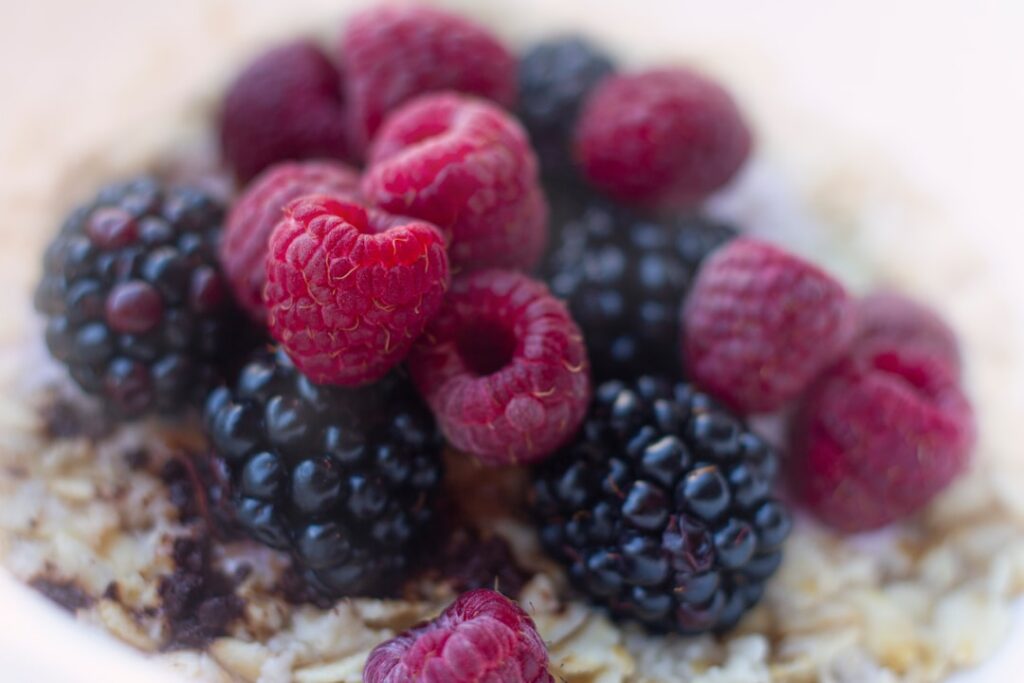
- Unsweetened Oatmeal with Berries: As mentioned, oatmeal is excellent. Add fresh or frozen berries for natural sweetness, antioxidants, and additional fiber.
- Plain Greek Yogurt: High in protein, Greek yogurt is a filling and blood sugar-friendly option. Add a few berries or a sprinkle of cinnamon for flavor.
5. Reimagining Your Meals: Burger Edition
Avoid This: Traditional Burger with White Bun & Fries
A typical fast-food burger often comes with a refined white bun, processed cheese, and a side of unhealthy fried potatoes, contributing to high calories, unhealthy fats, and blood sugar spikes.
Swap With: Lettuce Wrap Burger with Baked Sweet Potato
- Lettuce Wrap Burger: Ditch the bun and wrap your burger in crisp lettuce leaves. Choose lean protein (ground turkey, lean beef, or a plant-based patty) and load up on fresh veggies.
- Side of Baked Sweet Potato: Instead of regular fries, opt for baked sweet potato wedges for a healthier carbohydrate source.
General Principles for Sustainable Healthy Eating
Beyond these specific swaps, embracing a holistic approach to your diet is crucial for long-term diabetes management:
- Focus on Whole Foods: Prioritize fresh vegetables, fruits, lean proteins, healthy fats, and whole grains.
- Portion Control: Even healthy foods can impact blood sugar if consumed in excess. Learn appropriate portion sizes.
- Read Food Labels: Pay attention to serving sizes, total carbohydrates, added sugars, fiber, and sodium content.
- Balance Your Plate: Aim for a plate that is half non-starchy vegetables, a quarter lean protein, and a quarter whole grains or starchy vegetables.
- Meal Planning: Planning your meals and snacks in advance can help you make healthier choices and avoid impulsive, less healthy options.
Start Your Journey to Better Health Today
Making smart food swaps is a practical and empowering way to take control of your diabetes management. It’s not about perfection but progress. Start with one or two swaps that feel manageable, and gradually incorporate more. Each healthy choice you make is a step towards better blood sugar control, increased energy, and a higher quality of life. Embrace these changes, experiment with new recipes, and discover how delicious and satisfying healthy eating can be!