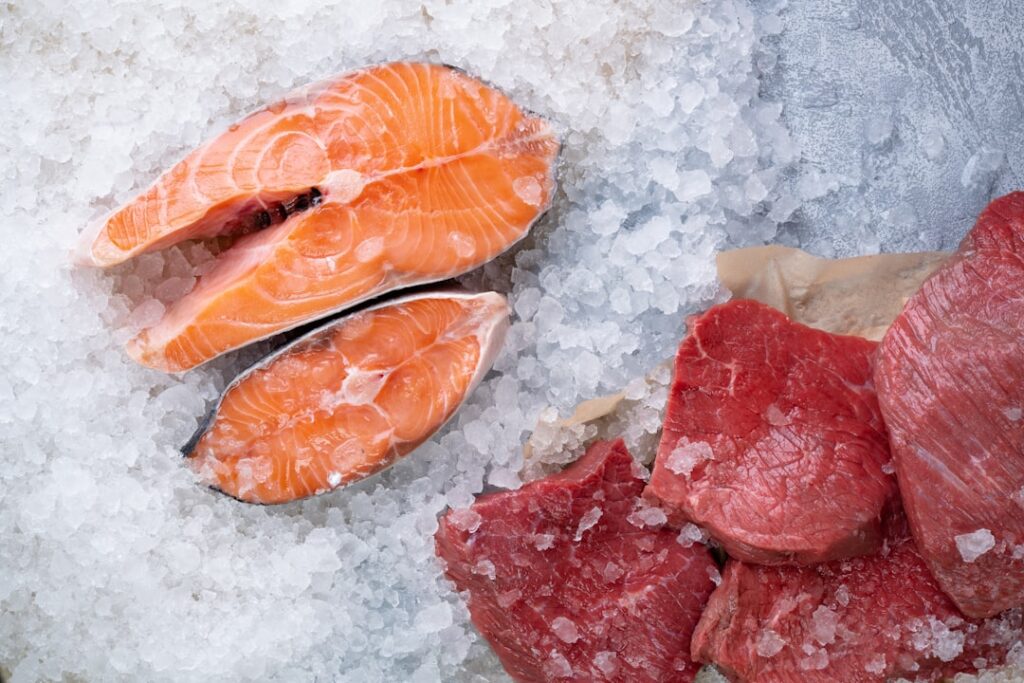
There’s nothing quite like the delicate flavor and tender texture of fresh fish. It’s a cornerstone of healthy eating, packed with essential nutrients like omega-3 fatty acids, lean protein, and vitamins. But how do you ensure you’re truly getting the freshest catch at the market? Knowing
Many of us rely on trust when buying seafood, but with a few simple observations, you can become an expert in spotting peak freshness. This guide will walk you through the tell-tale signs, helping you make confident, healthy choices every time you shop for fish.
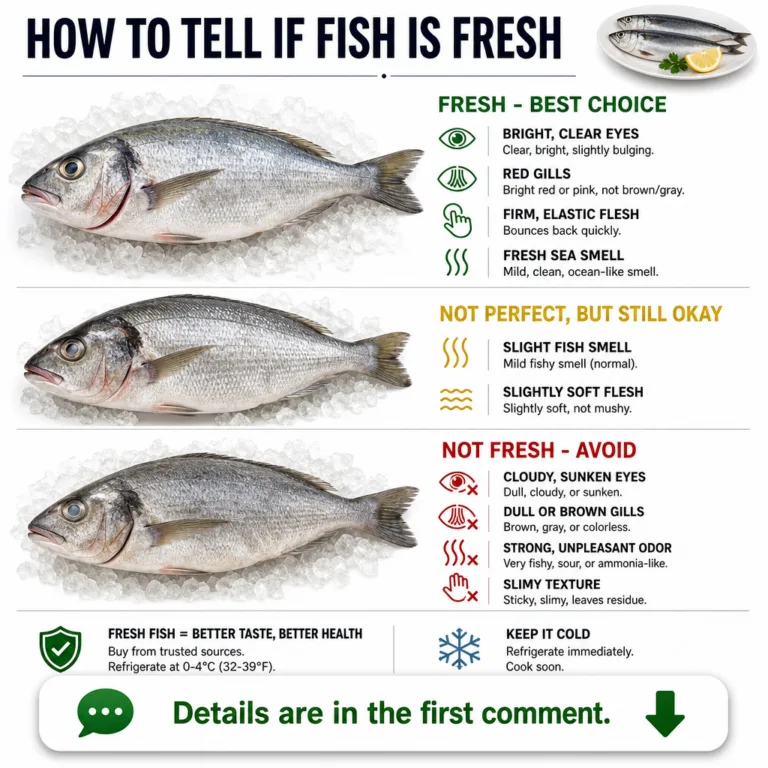
The Essentials: How to Tell if Fish is Fresh
Identifying fresh fish involves a sensory check – observing its appearance, feeling its texture, and noting its smell. These indicators are your best tools for selecting quality seafood.
Indicators of Peak Freshness: The “Best Choice”
When fish is at its prime, it exhibits distinct characteristics that signal its superior quality and recent catch. This is what you want to look for:
- Eyes: Look for eyes that are clear, bright, and bulging, not sunken or cloudy. They should appear transparent, almost as if the fish is still alive.
- Gills: Gently lift the gill plate. The gills underneath should be bright red or pink, moist, and free of any slime or milky discharge. A vibrant color indicates good handling and freshness.
- Flesh: The flesh should be firm and elastic. When you gently press it with your finger, it should spring back immediately without leaving an indentation. This firmness indicates good muscle tone and freshness.
- Smell: Fresh fish should have a mild, clean scent reminiscent of the sea or cucumber. There should be no strong “fishy” odor.
When Fish is “Still Okay” But Not Perfect
Sometimes, fish might not meet all the criteria for peak freshness but is still perfectly safe and edible, especially if cooked promptly. These fish might be a day or two older than the absolute freshest specimens.
- Smell: You might notice a slight, mild fishy smell. It’s not offensive but is a step away from the clean sea scent of truly fresh fish.
- Flesh: The flesh might be slightly softer than ideal. While it still springs back when pressed, it might not be as firm and elastic as the best choice.
These fish can still make a delicious meal, but it’s best to cook them the same day you purchase them.
Warning Signs: “Avoid” These Indicators of Spoiled Fish
It’s crucial to know the signs of fish that is no longer safe to eat. Consuming spoiled fish can lead to foodborne illness. If you notice any of these indicators, it’s best to avoid the purchase altogether.
- Eyes: The eyes will appear cloudy, dull, and sunken into the head. They may also have a milky film over them.
- Gills: The gills will be dull brown, grey, or yellowish, often covered in a thick, sticky slime. This indicates bacterial growth.
- Flesh: The flesh will feel noticeably soft, mushy, or flabby and will not spring back when pressed. It may also show discoloration.
- Smell: A strong, pungent, sour, ammonia-like, or overly fishy smell is a clear sign of spoilage. Trust your nose – if it smells bad, it likely is.
- Texture: A slimy or sticky film on the skin or flesh of the fish is another strong indicator of bacterial activity and spoilage.
Why Freshness Elevates Taste and Health
The saying “fresh fish tastes better” isn’t just a culinary preference; it’s a fact rooted in science. Fresh fish has a cleaner, milder flavor profile that allows its natural sweetness and texture to shine. As fish ages, enzymatic and bacterial actions begin to break down its flesh, leading to off-flavors and a mushier texture.
Beyond taste, the freshness of your fish also impacts its nutritional value and safety. Fresh fish retains its delicate omega-3 fatty acids, vitamins, and minerals more effectively. Moreover, choosing fresh fish significantly reduces the risk of consuming harmful bacteria or toxins that can accumulate as fish deteriorates, aligning perfectly with healthy eating principles and food safety standards.
Maximizing Freshness: How to Store Your Fish
Once you’ve picked the freshest fish, proper storage is paramount to maintain its quality until you’re ready to cook it. The cardinal rule is simple: KEEP IT COLD
.
- Refrigerate Immediately: As soon as you get home, place your fish in the coldest part of your refrigerator, ideally on a bed of ice in a perforated container or bowl with a drip tray to allow water to drain.
- Use Within 1-2 Days: For optimal taste and safety, fresh fish should be cooked within one to two days of purchase.
- Freezing for Longer Storage: If you don’t plan to cook your fish within this timeframe, freeze it. Wrap it tightly in plastic wrap or vacuum-seal it to prevent freezer burn, then place it in a freezer-safe bag. Frozen fish can typically last for several months.
- Prevent Cross-Contamination: Always store raw fish separately from other foods, especially ready-to-eat items, to prevent the spread of bacteria.