Living with Irritable Bowel Syndrome (IBS) can be a challenging journey, often marked by unpredictable digestive discomfort, pain, and a significant impact on daily life. If you’re one of the millions navigating this condition, you know the frustration of trying to pinpoint triggers and find relief. The good news is that understanding your body and making informed dietary choices can empower you to manage symptoms and reclaim daily comfort.
This guide is designed to help you decode IBS and explore practical, science-backed nutrition strategies that can make a real difference in your gut health. Let’s dive in and discover how to nurture your digestive system for a happier, healthier you.
What Exactly is Irritable Bowel Syndrome (IBS)?
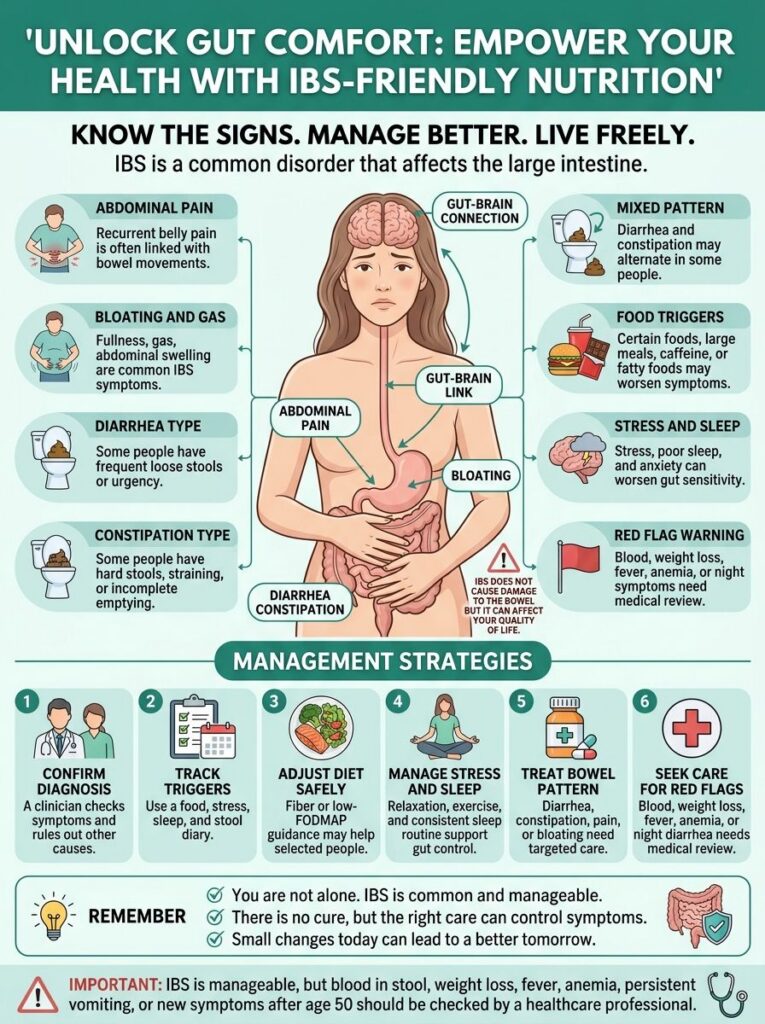
IBS is a common, chronic gastrointestinal disorder characterized by a group of symptoms that occur together, including recurrent abdominal pain and changes in bowel movements (diarrhea, constipation, or both). Unlike inflammatory bowel diseases (like Crohn’s or ulcerative colitis), IBS doesn’t cause inflammation or changes in bowel tissue. Instead, it’s often linked to how your gut and brain communicate, leading to increased sensitivity and changes in gut motility.
Common Symptoms of IBS
The symptoms of IBS can vary greatly from person to person, but some of the most common signs include:
- Abdominal Pain and Cramping: Often relieved after a bowel movement.
- Bloating and Gas: A feeling of fullness or swelling in the abdomen.
- Changes in Bowel Habits: This can manifest as IBS-C (constipation-predominant), IBS-D (diarrhea-predominant), or IBS-M (mixed, alternating between both).
- Mucus in Stool: Occasional presence of white mucus.
- Urgency: A sudden, strong need to have a bowel movement.
Identifying Your IBS Triggers
Part of managing IBS involves identifying what exacerbates your symptoms. Common triggers often include:
- Certain Foods: Specific food groups can lead to discomfort.
- Stress: Emotional stress can significantly impact the gut-brain axis.
- Lack of Sleep: Poor sleep patterns can disrupt digestive function.
- Hormonal Changes: Women may notice increased symptoms during menstruation.
Understanding these triggers is the first step toward building effective management strategies, especially through thoughtful nutritional choices.
Empowering Your Gut with IBS-Friendly Nutrition
Dietary changes are often the cornerstone of IBS management. While there’s no one-size-fits-all solution, several nutritional strategies have shown significant promise in reducing symptoms and improving quality of life.
1. The Low-FODMAP Diet: A Cornerstone Strategy
One of the most widely recognized and effective dietary approaches for IBS is the Low-FODMAP diet. FODMAPs (Fermentable Oligosaccharides, Disaccharides, Monosaccharides, and Polyols) are types of carbohydrates that are poorly absorbed in the small intestine and can ferment in the colon, leading to gas, bloating, and pain in sensitive individuals.
- High-FODMAP foods to consider reducing (initially): Wheat, rye, onions, garlic, certain fruits (apples, pears, mangoes), high-lactose dairy, legumes, and artificial sweeteners (sorbitol, mannitol).
- Low-FODMAP foods to enjoy: Rice, oats, quinoa, most meats, fish, eggs, many vegetables (carrots, spinach, bell peppers), certain fruits (bananas, oranges, blueberries), and lactose-free dairy alternatives.
It’s crucial to follow this diet under the guidance of a dietitian, as it involves an initial elimination phase, followed by careful reintroduction to identify your specific triggers. It’s not meant to be a long-term restrictive diet.
2. Prioritizing Fiber for Digestive Harmony
Fiber plays a vital role in digestive health, but for IBS sufferers, the type and amount matter.
- Soluble Fiber: Found in foods like oats, psyllium, carrots, and oranges, soluble fiber absorbs water, forming a gel that can help regulate bowel movements and soothe the gut. It’s generally well-tolerated and can be beneficial for both constipation and diarrhea.
- Insoluble Fiber: Found in whole grains, nuts, seeds, and the skins of many fruits and vegetables, insoluble fiber adds bulk to stool. While generally good for gut health, it can sometimes exacerbate symptoms like bloating and pain in some IBS individuals. Introduce gradually and observe your body’s response.
3. Smart Hydration: Water is Your Ally
Adequate hydration is fundamental for healthy digestion. Drinking plenty of water throughout the day helps keep stool soft, preventing constipation, and supports overall bodily functions. Aim for at least 8 glasses of water daily, increasing intake during exercise or hot weather.
4. Mindful Eating Practices
How you eat can be just as important as what you eat. Practicing mindful eating can significantly reduce digestive distress:
- Eat Slowly: Take your time with meals, allowing your body to properly digest.
- Chew Thoroughly: Break down food sufficiently before swallowing to ease your digestive system’s workload.
- Avoid Large Meals: Smaller, more frequent meals can be easier to digest than three large ones.
- Don’t Eat on the Go: Try to eat in a relaxed environment, as stress during meals can negatively impact digestion.
5. Probiotics and Prebiotics: Nurturing Your Gut Microbiome
Your gut is home to trillions of bacteria, collectively known as the gut microbiome, which plays a critical role in digestion and overall health. An imbalance in this microbiome can contribute to IBS symptoms.
- Probiotics: Live beneficial bacteria found in fermented foods (yogurt, kefir, sauerkraut) or supplements. Specific probiotic strains have shown promise in alleviating IBS symptoms, but it’s essential to find what works for you and consult a healthcare professional.
- Prebiotics: Non-digestible fibers that feed beneficial gut bacteria. While beneficial, many prebiotics are high in FODMAPs (e.g., garlic, onions, asparagus), so they need to be introduced cautiously by individuals with IBS.
6. Keeping a Food and Symptom Diary
One of the most powerful tools for managing IBS is keeping a detailed food and symptom diary. This practice helps you identify personal triggers and understand which strategies are most effective for your unique body. Record what you eat, any symptoms you experience, stress levels, and sleep patterns.
Beyond Nutrition: Holistic IBS Management
While nutrition is a cornerstone, a holistic approach to IBS management often includes other strategies:
- Stress Management: Techniques like meditation, yoga, deep breathing, and mindfulness can help regulate the gut-brain connection.
- Adequate Sleep: Prioritizing 7-9 hours of quality sleep can positively impact digestive health.
- Regular Exercise: Moderate physical activity can help alleviate stress, improve gut motility, and reduce symptoms.
- Consulting Healthcare Professionals: Work closely with your doctor and a registered dietitian to develop a personalized management plan that may include medication if necessary.
Your Path to Daily Gut Comfort
Managing IBS is a journey, not a destination. It requires patience, experimentation, and a willingness to listen to your body. By integrating IBS-friendly nutritional strategies and holistic wellness practices into your daily routine, you can significantly reduce discomfort and improve your quality of life. Remember, you don’t have to navigate this alone. Seek professional guidance and empower yourself with knowledge to unlock lasting gut comfort.