Unlock Your Health: Magnesium Rich Foods
Ready to naturally boost your well-being? Magnesium is a vital mineral that plays a key role in countless bodily functions, supporting everything from muscle and nerve function to energy production, bone health, and even mood regulation. Despite its critical importance, many people don’t get enough magnesium through their daily diet.
This guide makes it easy to explore a variety of delicious, magnesium-rich foods to nourish your body and enhance your health! Incorporating these nutritional powerhouses into your meals can be a simple yet effective way to support your overall wellness journey.
Why is Magnesium So Important for Your Body?
Magnesium is involved in over 300 enzymatic reactions in the body. Its roles are diverse and fundamental to good health:
- Energy Production: It’s crucial for converting food into energy.
- Muscle and Nerve Function: Magnesium helps muscles relax and contract properly, and supports nerve signal transmission.
- Bone Health: It contributes to bone development and helps regulate calcium and vitamin D levels.
- Blood Sugar Control: Research suggests magnesium may play a role in glucose metabolism and insulin sensitivity.
- Heart Health: It helps maintain a healthy heartbeat and blood pressure.
- Mood Regulation: Magnesium is involved in neurotransmitter function, which can impact mood and stress levels.
Recognizing the signs of low magnesium, such as muscle cramps, fatigue, or difficulty sleeping, can be an indicator to assess your dietary intake.
Magnesium Powerhouses: Foods to Add to Your Plate
The good news is that many delicious and accessible foods are excellent sources of magnesium. Here are some top picks:
1. Leafy Green Vegetables
Often referred to as nature’s multivitamins, leafy greens are packed with magnesium.
- Spinach: A single cup of cooked spinach provides a significant portion of your daily magnesium needs.
- Kale: Versatile and nutrient-dense, kale is another fantastic option.
- Swiss Chard: Similar to spinach, it’s rich in various minerals, including magnesium.
Tip: Incorporate greens into smoothies, salads, stir-fries, or even as a base for your eggs.
2. Nuts and Seeds
These small but mighty foods are convenient and highly nutritious.
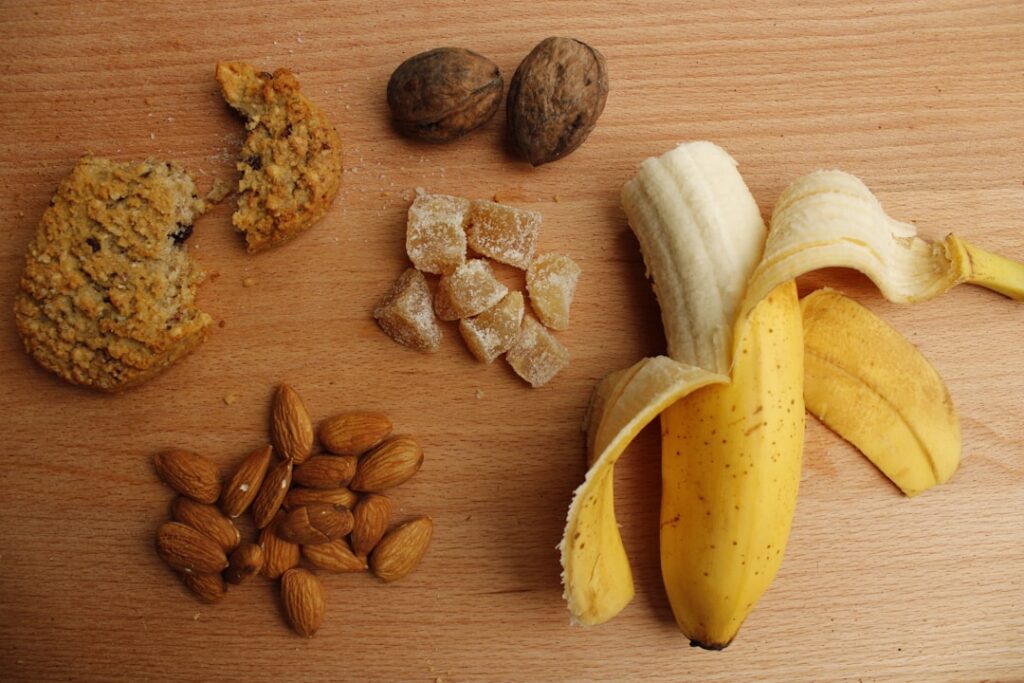
- Almonds: A great source of magnesium, healthy fats, and fiber.
- Cashews: Offer a good amount of magnesium along with iron and zinc.
- Pumpkin Seeds: One of the best sources of magnesium, especially when raw.
- Chia Seeds: Provide magnesium, fiber, and omega-3 fatty acids.
Tip: Sprinkle them on yogurt, oatmeal, salads, or enjoy them as a satisfying snack.
3. Legumes
Beans, lentils, and chickpeas are not only affordable but also rich in magnesium, fiber, and protein.
- Black Beans: Excellent in Mexican-inspired dishes.
- Lentils: Great for soups, stews, and salads.
- Edamame: A tasty snack or addition to Asian-inspired meals.
Tip: Add legumes to your favorite chili, salads, or make homemade hummus.
4. Whole Grains
Opting for whole grains over refined grains can significantly boost your magnesium intake.
- Quinoa: A complete protein and a good source of magnesium.
- Brown Rice: A staple whole grain that offers more magnesium than white rice.
- Oats: Start your day with oatmeal to get a dose of magnesium and fiber.
Tip: Use whole grains as a base for grain bowls or as a side dish.
5. Dark Chocolate
Yes, you read that right! Dark chocolate (at least 70% cocoa) is a delicious source of magnesium, along with antioxidants.
Tip: Enjoy a small square as a treat, but remember to choose varieties with lower sugar content.
6. Avocados
Known for their healthy fats, avocados also provide a good amount of magnesium, potassium, and fiber.
Tip: Add avocado to salads, sandwiches, or make fresh guacamole.
7. Bananas
While often praised for potassium, bananas also contain a decent amount of magnesium.
Tip: A perfect grab-and-go snack, or blend into smoothies.
How to Incorporate More Magnesium into Your Diet
Making small changes can lead to significant improvements in your magnesium intake:
- Snack Smart: Keep nuts, seeds, and dark chocolate on hand for healthy snacking.
- Boost Your Breakfast: Add spinach to your scrambled eggs or pumpkin seeds to your oatmeal.
- Rethink Your Sides: Swap refined grains for quinoa or brown rice, and add a side of black beans to your meals.
- Salad Power-Up: Load your salads with leafy greens, avocado, and a sprinkle of seeds.
- Smoothie Enhancers: Blend spinach, bananas, or chia seeds into your morning smoothie.
A Note of Caution
While incorporating magnesium-rich foods is generally safe and beneficial, this information is for educational purposes only and is not a substitute for professional medical advice, diagnosis, or treatment. Always consult with a healthcare professional before making any significant changes to your diet or if you have any health concerns, especially if you are taking medications or have underlying health conditions.
Which of these magnesium powerhouses will you add to your plate first? Nourishing your body with these foods is a delicious step towards enhanced well-being!