Boost Your Health with These Antioxidant Powerhouses
Ready to give your body a powerful boost? Fuel up with amazing antioxidant-rich foods that may help protect your cells and support overall well-being! Incorporating these vibrant foods into your daily meals can be a delicious and effective way to enhance your health.
Understanding Antioxidants: Your Body’s Natural Defenders
Our bodies are constantly engaged in various processes that can produce unstable molecules called free radicals. These free radicals can cause oxidative stress, which is a process that may damage cells and contribute to various health concerns over time. This is where antioxidants come in!
Antioxidants are compounds that may help neutralize free radicals, thereby protecting our cells from potential damage. Think of them as tiny guardians working to maintain balance and health within your body. While your body produces some antioxidants naturally, consuming antioxidant-rich foods is an excellent way to supplement these defenses.
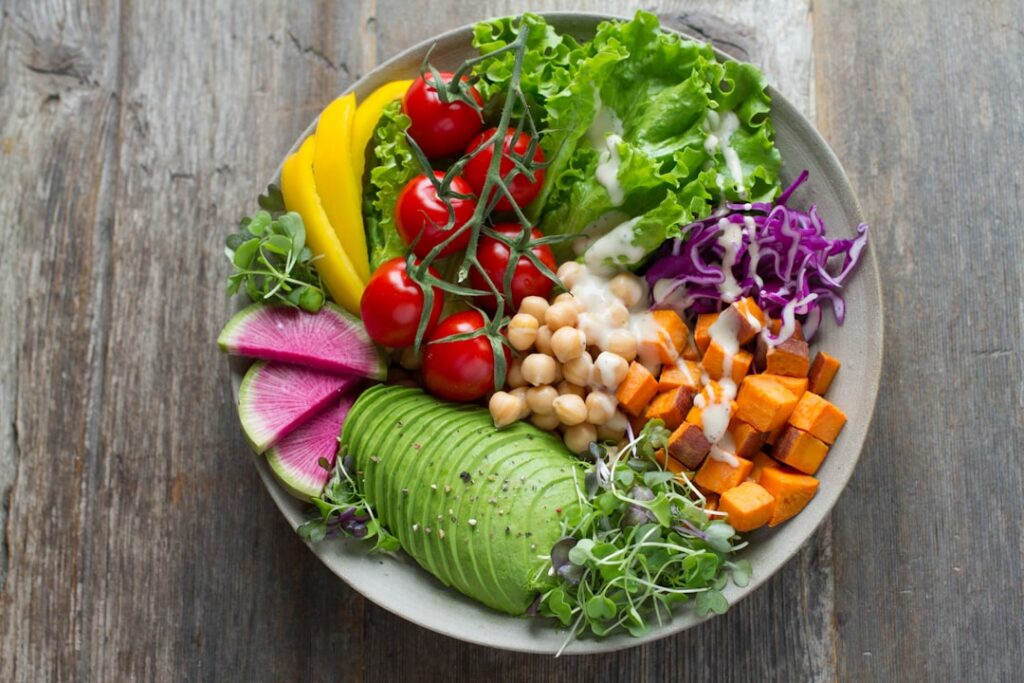
Top Antioxidant Powerhouses to Fuel Your Body
The good news is that many delicious and accessible foods are packed with antioxidants. Here are some of the top contenders:
Berries: Tiny Fruits, Big Impact
- What they are: Blueberries, strawberries, raspberries, blackberries, cranberries.
- Why they’re great: Rich in anthocyanins and other flavonoids, berries are powerful antioxidants that may support brain health and cardiovascular function.
- How to include them: Add them to your breakfast cereal, yogurt, smoothies, or enjoy them as a fresh snack.
Dark Leafy Greens: Nutrient-Dense Essentials
- What they are: Spinach, kale, Swiss chard, collard greens.
- Why they’re great: Loaded with vitamins A, C, E, and K, as well as carotenoids like lutein and zeaxanthin, which may support eye health.
- How to include them: Incorporate them into salads, stir-fries, soups, or blend them into green smoothies.
Colorful Vegetables: Eat the Rainbow
- What they are: Bell peppers (especially red and yellow), carrots, sweet potatoes, broccoli, tomatoes.
- Why they’re great: Each color often signifies different types of antioxidants. For example, bell peppers are high in Vitamin C, carrots and sweet potatoes in beta-carotene, and tomatoes in lycopene, all of which are associated with various health benefits.
- How to include them: Roast them, steam them, add them to omelets, or use them as crunchy dippers for hummus.
Nuts and Seeds: Wholesome Snacks
- What they are: Walnuts, pecans, almonds, flax seeds, chia seeds, sunflower seeds.
- Why they’re great: Provide a good source of Vitamin E, selenium, and phenolic compounds. They may help support heart health and offer a range of essential minerals.
- How to include them: Sprinkle them over salads, oatmeal, yogurt, or enjoy a small handful as a satisfying snack.
Dark Chocolate: A Sweet Treat with Benefits
- What it is: High-cocoa content chocolate (70% or more).
- Why it’s great: Rich in flavanols, which are a type of antioxidant associated with potential cardiovascular benefits.
- How to include it: Enjoy a small piece in moderation as a dessert or snack.
Incorporating Antioxidants into Your Daily Routine
Making antioxidant-rich foods a regular part of your diet doesn’t have to be complicated. Here are some simple tips:
- Start your day strong: Add berries to your breakfast.
- Snack wisely: Opt for a handful of nuts or a piece of fruit.
- Power up your plates: Fill half your plate with colorful vegetables at lunch and dinner.
- Experiment with herbs and spices: Many common herbs and spices like oregano, turmeric, and cinnamon also contain beneficial antioxidants.
Important Disclaimer
The information provided in this article is for educational purposes only and is not intended to be a substitute for professional medical advice, diagnosis, or treatment. Always seek the advice of your physician or other qualified health provider with any questions you may have regarding a medical condition or before making any dietary changes.