Managing asthma can sometimes feel like a daily balancing act, and while medical care is essential, what you choose to eat can play a supportive role in your overall well-being. Think of your plate as a partner in your healthy breathing journey! 🌱
While no specific diet can ‘cure’ asthma, focusing on certain foods can help support your body’s natural processes and contribute to healthier respiratory function. Let’s explore some simple dietary choices that might make a positive difference.
Embrace These Foods for Respiratory Support
Many foods are packed with nutrients that can help reduce inflammation in the body, which is often a factor in respiratory conditions. Incorporating these into your daily meals can be a wonderful step toward supporting your breathing comfort.

1. Fruits and Vegetables Rich in Antioxidants
Antioxidants are powerful compounds that help protect your cells from damage and can play a role in reducing inflammation. Many colorful fruits and vegetables are excellent sources.
- Leafy Greens: Spinach, kale, and collard greens are high in vitamins C and E, and beta-carotene.
- Berries: Blueberries, strawberries, and raspberries are bursting with antioxidants and Vitamin C.
- Citrus Fruits: Oranges, grapefruits, and lemons are well-known for their high Vitamin C content, which can support immune function.
- Bell Peppers: Especially red and yellow varieties, they are another fantastic source of Vitamin C.
2. Omega-3 Fatty Acids
These healthy fats are renowned for their anti-inflammatory properties and can be a valuable addition to an asthma-friendly diet.
- Fatty Fish: Salmon, mackerel, and sardines are excellent sources of EPA and DHA.
- Flaxseeds and Chia Seeds: Great plant-based sources of alpha-linolenic acid (ALA), which the body can convert to EPA and DHA.
- Walnuts: Another good plant-based option for ALA.
3. Whole Grains
Opting for whole grains over refined grains can help manage inflammation and provide sustained energy.
- Oats: A comforting and fiber-rich breakfast option.
- Brown Rice: A wholesome alternative to white rice.
- Quinoa: A complete protein and gluten-free grain.
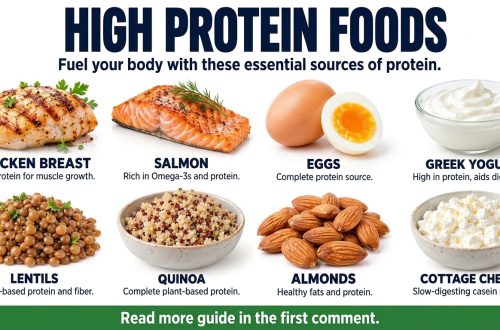
4. Lean Proteins
Adequate protein intake is important for overall health and muscle function, including respiratory muscles.
- Chicken and Turkey: Skinless options are lean and versatile.
- Legumes: Lentils, beans, and chickpeas offer plant-based protein and fiber.
- Eggs: A good source of protein and other essential nutrients.
Consider Limiting Certain Foods (Listen to Your Body!)
While the focus is on what to include, it’s also helpful to be aware of foods that might trigger symptoms for some individuals. Remember, everyone is unique, and what affects one person may not affect another. It’s about personal discovery and listening to your body.
- Processed Foods: Often high in unhealthy fats, sugar, and artificial additives, which can contribute to inflammation.
- Sulphites: Found in some dried fruits, wine, and processed potatoes, sulphites can trigger asthma symptoms in a small percentage of people.
- Artificial Ingredients: Dyes, preservatives, and artificial flavors in packaged foods might be a concern for some sensitive individuals.
Keeping a food diary can be a simple yet effective way to identify any patterns between what you eat and how you feel. If you notice certain foods consistently worsen your symptoms, discuss it with your healthcare provider.
Beyond Food: Hydration and Healthy Habits
Diet is just one piece of the wellness puzzle. Don’t forget these other important habits:
- Stay Hydrated: Drinking plenty of water throughout the day can help keep mucus thin and easier to clear, supporting overall respiratory comfort.
- Balanced Meals: Aim for well-rounded meals that include a mix of proteins, healthy fats, and complex carbohydrates to support stable energy and blood sugar.
- Mindful Eating: Pay attention to your body’s hunger and fullness cues.
Important Note
This guide offers general information about foods that may support respiratory health. It is not intended to replace professional medical advice, diagnosis, or treatment. Always consult with your doctor or a qualified healthcare provider regarding your specific health condition and before making any significant dietary changes, especially if you have asthma or other health concerns.
Ready to Support Your Breathing Naturally?
Integrating more whole, nutrient-dense foods into your diet is a wonderful way to nourish your body and support healthier breathing. Which food on our ’embrace’ list do you already enjoy? Share with us in the comments!