Fuel Your Gains: High Protein Essentials
Protein is a fundamental macronutrient, often hailed as the building block of life. It’s essential for countless bodily functions, from repairing tissues and making enzymes and hormones to supporting muscle growth and keeping you feeling full and energized throughout your day. Whether you’re an athlete, actively managing your weight, or simply striving for a healthier lifestyle, prioritizing high-protein foods can significantly impact your wellness journey.
Understanding which foods are packed with protein and how to incorporate them into your daily diet is key to harnessing its benefits. Let’s dive into the world of high-protein essentials that can power up your plate and support your fitness goals.
Why Protein Matters for Your Body
Protein plays a multifaceted role in maintaining optimal health:
- Muscle Growth and Repair: Protein is crucial for the synthesis of muscle tissue, making it vital for anyone looking to build strength, increase muscle mass, or recover from exercise.
- Satiety and Weight Management: High-protein meals can help you feel fuller for longer, potentially reducing overall calorie intake and supporting healthy weight management efforts.
- Bone Health: Adequate protein intake is associated with stronger bones, especially as we age.
- Metabolic Boost: Protein has a higher thermic effect than fats or carbohydrates, meaning your body burns more calories digesting it.
- Immune Function: Antibodies, which help fight off infections, are made from protein.
Top High-Protein Essentials to Add to Your Diet
Here are some of the most effective and accessible high-protein foods to consider:
1. Lean Meats and Poultry
- Chicken Breast: A classic for a reason, chicken breast is incredibly lean and packed with protein. It’s versatile and can be grilled, baked, or stir-fried.
- Turkey: Similar to chicken, turkey offers lean protein and is a great alternative for sandwiches, salads, or as a main dish.
- Lean Beef: Cuts like sirloin, round, and flank steak provide high-quality protein along with essential nutrients like iron and zinc.
2. Fish and Seafood
- Salmon: Not only rich in protein, but salmon is also a fantastic source of omega-3 fatty acids, which are beneficial for heart and brain health.
- Tuna: A convenient and affordable protein source, whether canned or fresh. It’s excellent in salads or as a quick meal.
- Cod and Tilapia: These white fish varieties are lean, mild-flavored, and provide a good protein boost.
- Shrimp: Low in calories and high in protein, shrimp cooks quickly and is perfect for adding to stir-fries, pasta, or salads.
3. Eggs
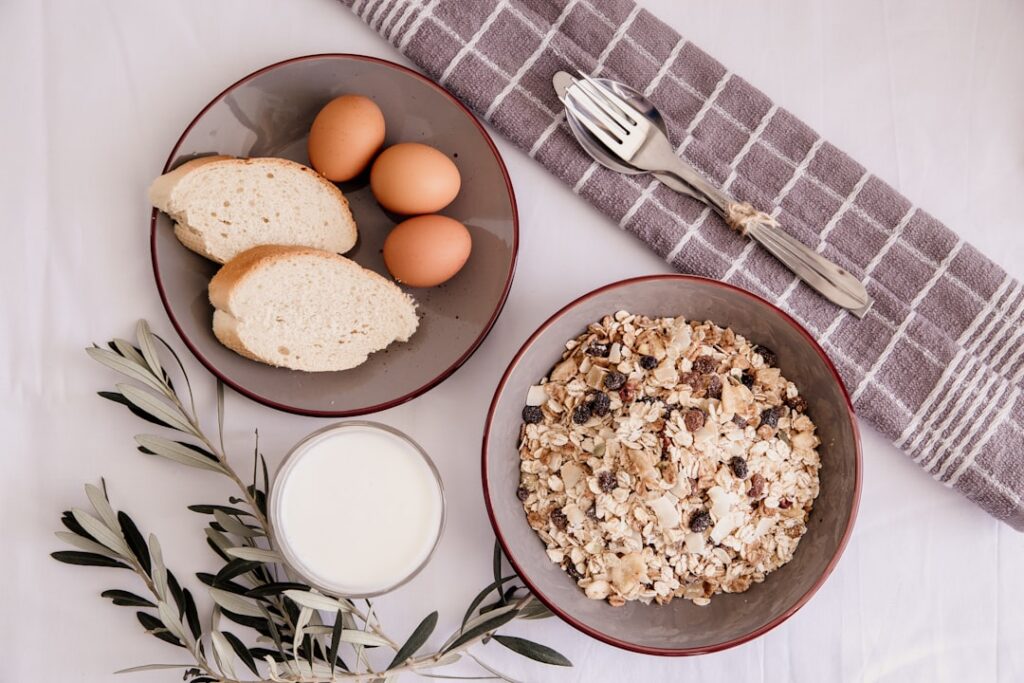
Often called nature’s multivitamin, eggs are a complete protein source, meaning they contain all nine essential amino acids. They are inexpensive, versatile, and can be enjoyed at any meal of the day.
4. Dairy and Dairy Alternatives
- Greek Yogurt: This strained yogurt offers significantly more protein than regular yogurt, making it a great breakfast, snack, or dessert option. Look for plain, unsweetened varieties.
- Cottage Cheese: A traditional bodybuilder’s staple, cottage cheese is high in casein protein, which is digested slowly, promoting satiety.
- Milk: Dairy milk provides a good balance of protein, calcium, and vitamin D. Plant-based milks fortified with protein (like soy milk) can also be good options.
5. Legumes and Lentils (Plant-Based Powerhouses)
- Lentils: Versatile and nutrient-dense, lentils are an excellent source of plant-based protein and fiber, great for soups, stews, or salads.
- Chickpeas: Also known as garbanzo beans, chickpeas can be added to salads, made into hummus, or roasted for a crunchy snack.
- Black Beans: A staple in many cuisines, black beans are rich in protein, fiber, and various minerals.
6. Nuts and Seeds
- Almonds: A convenient snack, almonds offer protein, healthy fats, and fiber.
- Chia Seeds and Flax Seeds: These tiny seeds are powerhouse additions to smoothies, yogurts, or oatmeal, providing plant-based protein and omega-3s.
- Pumpkin Seeds: Great for snacking or topping salads, pumpkin seeds are a good source of protein and magnesium.
7. Protein Powders
For those with higher protein needs or who struggle to meet their intake through whole foods alone, protein powders (whey, casein, soy, pea, hemp, etc.) can be a convenient supplement. Always choose reputable brands and read labels carefully.
Incorporating Protein Into Your Daily Diet
Making protein a priority doesn’t have to be complicated:
- Start Your Day Strong: Add eggs, Greek yogurt, or a protein smoothie to your breakfast.
- Snack Smart: Opt for handfuls of nuts, cottage cheese, or a hard-boiled egg for mid-day fuel.
- Build Balanced Meals: Ensure each main meal includes a lean protein source.
- Experiment with Plant-Based: Incorporate lentils, beans, and tofu into your cooking a few times a week.
By consciously including these high-protein essentials in your diet, you’re not just fueling your body; you’re supporting muscle health, satiety, and overall well-being. Listen to your body and find the protein sources that work best for your lifestyle and preferences.
Disclaimer: The information provided in this article is for educational purposes only and is not intended as a substitute for professional medical advice, diagnosis, or treatment. Always seek the advice of your physician or other qualified health provider with any questions you may have regarding a medical condition or before making any dietary changes.