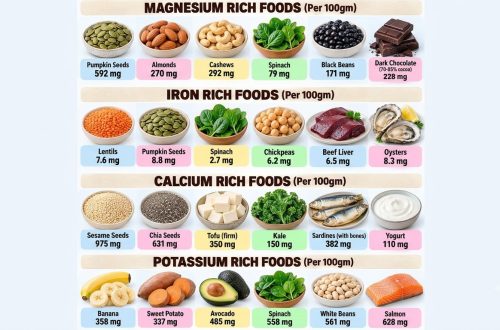
In a world often quick to reach for remedies, the profound truth that our ancestors understood is making a powerful return: food as medicine. This isn’t about replacing professional medical advice, but about understanding that every bite we take holds the potential to nourish our bodies, support vital health, and contribute significantly to our overall well-being. At Glowra Health, we believe in unlocking the power of everyday foods to help you thrive from within.
This article will explore the ancient wisdom of treating food as a foundational pillar of health, highlighting key principles and delicious, nutrient-dense foods that can empower your wellness journey. Discover how each ingredient contributes to a healthier you, naturally.
The Ancient Wisdom of Food as Medicine
The concept of food as medicine is far from new. Civilizations throughout history, from ancient Greece to traditional Chinese medicine and Ayurveda, have long recognized the inherent healing and preventive properties of natural foods. Hippocrates, often called the father of Western medicine, famously stated, “Let food be thy medicine and medicine be thy food.”
This philosophy emphasizes a holistic approach, where what we consume directly impacts our physical and mental health. It’s about choosing foods that not only satisfy hunger but also provide essential nutrients, antioxidants, and compounds that support bodily functions, boost immunity, and may help prevent chronic diseases.
Key Pillars of a Food as Medicine Approach
Adopting a “food as medicine” mindset involves more than just eating healthy; it’s a lifestyle choice centered around conscious consumption. Here are the foundational pillars:
- Nutrient Density: Prioritizing foods packed with vitamins, minerals, fiber, and phytonutrients over empty calories.
- Whole Foods Focus: Emphasizing unprocessed or minimally processed foods in their natural state.
- Hydration: Recognizing water and hydrating foods as crucial for all bodily processes.
- Mindful Eating: Paying attention to hunger cues, savoring meals, and understanding the emotional connection to food.
- Variety and Balance: Consuming a wide range of colorful foods to ensure a broad spectrum of nutrients and promoting balance across macronutrients.
Powerhouse Foods for Your Wellness Journey
Certain food groups stand out for their exceptional medicinal properties. Incorporating these into your daily diet can significantly elevate your health.
Antioxidant-Rich Berries and Leafy Greens
Berries like blueberries, raspberries, and strawberries, along with dark leafy greens such as spinach, kale, and Swiss chard, are brimming with antioxidants. These compounds combat oxidative stress, which is linked to aging and many chronic diseases. They may support heart health, brain function, and overall cellular repair.
- How to enjoy: Add to smoothies, oatmeal, salads, or snack on them fresh.
Healthy Fats from Avocados and Nuts
Not all fats are created equal. Avocados, almonds, walnuts, chia seeds, and olive oil provide healthy monounsaturated and polyunsaturated fats. These essential fats are crucial for hormone production, nutrient absorption, brain health, and reducing inflammation. They also contribute to satiety, helping you feel fuller for longer.
- How to enjoy: Slice avocado into salads or on toast, sprinkle nuts and seeds over yogurt, or use olive oil in dressings.
Gut-Friendly Fermented Foods
A healthy gut is foundational to overall health. Foods like yogurt, kefir, sauerkraut, kimchi, and kombucha are rich in probiotics – beneficial bacteria that support gut microbiota balance. A balanced gut microbiome is linked to improved digestion, enhanced immunity, and even mood regulation.
- How to enjoy: Incorporate a small serving daily with meals or as a snack. Look for live and active cultures.
Lean Proteins for Strength and Repair
Chicken breast, fish, eggs, lentils, beans, and tofu are excellent sources of lean protein. Protein is vital for building and repairing tissues, producing enzymes and hormones, and maintaining a healthy metabolism. It also plays a key role in satiety and muscle maintenance, especially important for those aiming for weight management or active lifestyles.
- How to enjoy: Include a protein source in every meal to support energy and fullness.
Whole Grains for Sustained Energy
Unlike refined grains, whole grains like oats, quinoa, brown rice, and whole wheat retain all parts of the grain, including the fiber-rich bran. This fiber aids digestion, helps regulate blood sugar levels, and provides sustained energy throughout the day, preventing energy crashes. They also offer essential B vitamins and minerals.
- How to enjoy: Start your day with oatmeal, use quinoa in salads, or opt for whole-grain bread.
Crafting Your “Food as Medicine” Plate
Transforming your diet doesn’t have to be complicated. Start by making small, consistent changes:
- Prioritize Plants: Aim for your plate to be at least half-filled with vegetables and fruits at most meals.
- Choose Whole Over Refined: Opt for whole grains instead of white bread or pasta.
- Smart Snacking: Replace processed snacks with fruits, nuts, seeds, or yogurt.
- Hydrate Thoughtfully: Drink plenty of water throughout the day. Herbal teas are also a great option.
- Experiment and Enjoy: Discover new healthy recipes and preparation methods that excite your taste buds.
Beyond the Plate: A Holistic View
While food is a powerful tool, it’s part of a larger picture of holistic health. Adequate sleep, regular physical activity, stress management, and strong social connections all play crucial roles in your wellness journey. When combined, these elements create a robust foundation for a truly nourished body and mind.