Ever wonder how daily stress impacts your body beyond just feeling overwhelmed? While stress can certainly make us feel mentally drained, its effects often run much deeper, influencing our physical health in surprising ways. One major player in this intricate dance is cortisol, often dubbed the ‘stress hormone’. High cortisol levels, especially when prolonged, might be a hidden factor behind some common yet puzzling physical symptoms, from stubborn belly fat to restless nights.
Understanding how cortisol works and recognizing its signs is the first step toward reclaiming your well-being. Let’s delve into the hidden toll everyday stress can take on your body and discover practical strategies for management.
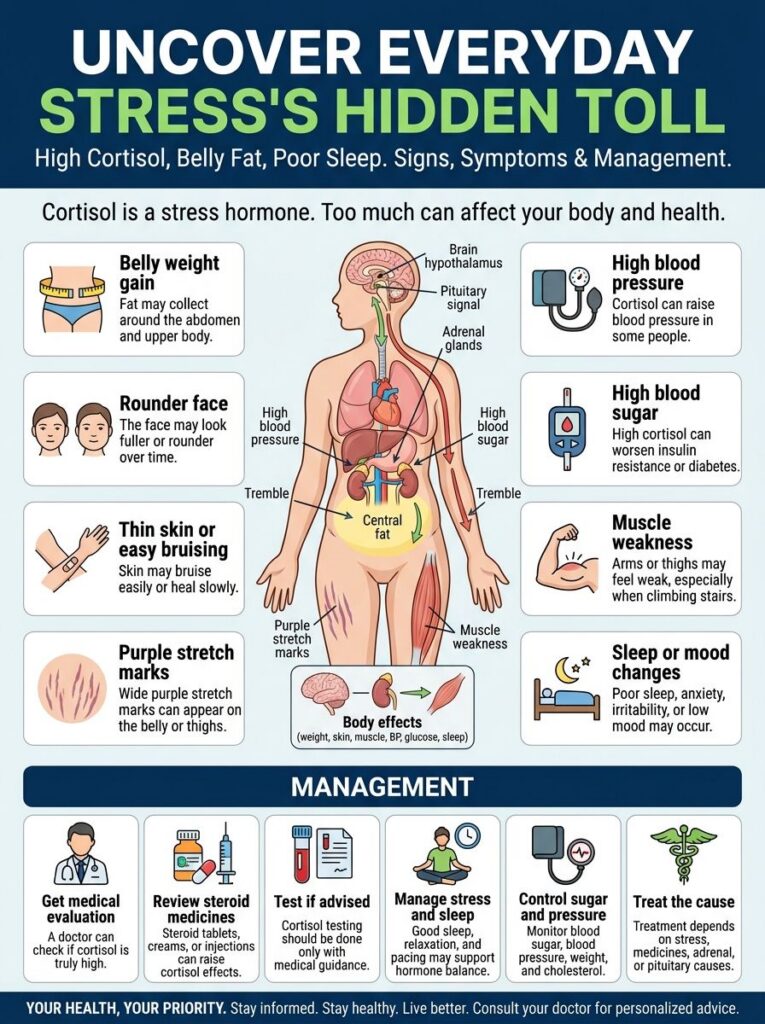
What is Cortisol and Why Does It Matter?
Cortisol is a glucocorticoid hormone produced by your adrenal glands, which sit atop your kidneys. It’s a vital component of your body’s ‘fight or flight’ response, designed to help you handle stress. When you encounter a stressful situation, your brain signals your adrenal glands to release cortisol, increasing sugar in your bloodstream, enhancing your brain’s use of glucose, and making substances available to repair tissues.
This surge in cortisol is beneficial in short bursts, helping you respond to immediate threats. However, in our modern world, stress can be chronic, leading to persistently elevated cortisol levels. When cortisol remains high for extended periods, it can shift from being a protective mechanism to a detrimental force, impacting almost every system in your body.
The Hidden Toll: Signs and Symptoms of High Cortisol
Chronic high cortisol can manifest through a variety of subtle and not-so-subtle symptoms. Many people experience these without realizing they might be connected to stress hormone imbalance. Here are some key indicators:
1. Body Composition Changes
- Belly Weight Gain: One of the most common and frustrating symptoms is an increase in visceral fat, which is the fat stored deep within your abdominal cavity around your organs. Cortisol encourages fat storage in this area, making it notoriously difficult to lose, even with diet and exercise.
- Rounder Face: Known as ‘moon face,’ chronic high cortisol can lead to fat deposits in the face, giving it a rounder, fuller appearance.
- Purple Stretch Marks: While stretch marks are common, new, wide, purplish stretch marks (striae) appearing on the abdomen, thighs, or arms can be a sign of weakened skin elasticity due to excess cortisol.
2. Metabolic Disruptions
- High Blood Pressure: Cortisol can directly affect blood vessel tone and fluid balance, contributing to elevated blood pressure over time.
- High Blood Sugar: As cortisol’s primary role is to provide quick energy, it stimulates the liver to produce more glucose and can reduce the body’s sensitivity to insulin, leading to elevated blood sugar levels, increasing the risk of type 2 diabetes.
3. Skin and Muscle Health
- Thin Skin or Easy Bruising: High cortisol can thin the skin and make capillaries more fragile, leading to easy bruising and slower wound healing.
- Muscle Weakness: Chronic cortisol elevation can cause muscle protein breakdown, leading to muscle weakness, particularly in the arms and legs.
4. Mood and Sleep Changes
- Sleep Disturbances: Cortisol naturally peaks in the morning and declines at night. Chronically high levels can disrupt this rhythm, leading to difficulty falling asleep, staying asleep, or experiencing restless, non-restorative sleep.
- Mood Changes: Imbalances in cortisol can profoundly affect brain chemistry, leading to symptoms like irritability, anxiety, depression, and difficulty concentrating.
Managing High Cortisol: Practical Steps for a Healthier You
Recognizing these symptoms is the first step, but managing high cortisol effectively requires a multi-faceted approach. Here are practical strategies to help bring your stress hormone levels back into balance:
1. Get Medical Evaluation
- Consult Your Doctor: If you suspect high cortisol, the most crucial step is to seek professional medical advice. A doctor can rule out underlying medical conditions (like Cushing’s syndrome) and provide accurate diagnosis and personalized guidance.
- Review Medications: Certain medications, particularly steroid medicines (like prednisone), can elevate cortisol levels. Discuss any current prescriptions with your doctor to understand their potential impact.
- Undergo Testing if Advised: Your doctor may recommend specific tests, such as blood, urine, or saliva tests, to measure cortisol levels at different times of the day and assess your adrenal function.
2. Prioritize Stress and Sleep Management
- Mindfulness and Relaxation: Practices like meditation, deep breathing exercises, yoga, and tai chi can significantly reduce stress and promote a sense of calm.
- Adequate Sleep: Establish a consistent sleep schedule, create a relaxing bedtime routine, and ensure your sleep environment is conducive to rest. Aim for 7-9 hours of quality sleep per night.
- Regular Exercise: Engaging in moderate physical activity can be a powerful stress reliever and helps regulate hormone levels.
3. Adopt Healthy Lifestyle Habits
- Control Sugar and Pressure: A balanced diet rich in whole foods, lean proteins, and healthy fats can help stabilize blood sugar and support overall cardiovascular health. Limiting processed foods and added sugars is key.
- Hydration: Drink plenty of water throughout the day.
- Connect with Others: Social support and strong relationships can buffer the effects of stress.
- Treat the Cause: While managing symptoms is important, addressing the root causes of chronic stress in your life (e.g., work-life balance, relationship issues) is vital for long-term health.
Your Health, Your Priority
Understanding the intricate relationship between everyday stress, cortisol, and your physical health empowers you to take proactive steps. If you’re experiencing several of these symptoms, don’t ignore them. Stay informed, stay healthy, and live better by consulting your doctor for personalized advice and creating a wellness plan that works for you.