Are you tired of nagging aches that just won’t quit, always searching for a gentle yet effective way to find relief? Most people reach for conventional options, completely overlooking a potent, centuries-old remedy hidden in plain sight. This isn’t about exotic herbs or complex pharmaceuticals; it’s about a simple, milky sap from a common plant that many herbalists keep as a secret weapon against discomfort.
Known as ‘poor man’s opium’ in some traditional circles, the sap from Wild Lettuce (Lactuca serriola or Lactuca virosa) has an unexpected history as a natural analgesic and sedative. If you’ve been curious about harnessing nature’s power for pain relief, understanding how to properly collect and use this sap could be a game-changer for easing everyday aches and promoting relaxation without heavy side effects.
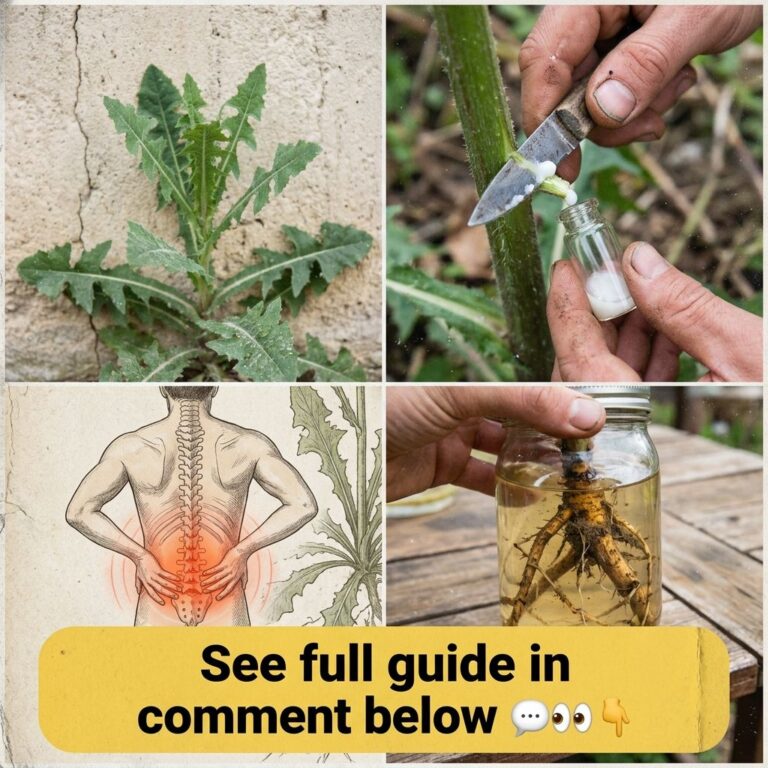
What It Is: The Overlooked Sap for Discomfort
Wild Lettuce (also known as prickly lettuce or compass plant) is not your average salad green. When the stem or leaves are cut, they exude a milky white substance called lactucarium. This sap is the true star of our remedy, containing compounds like lactucopicrin and lactucin, which are believed to interact with the nervous system to offer a calming and pain-relieving effect. It’s this unique milky fluid that historically earned Wild Lettuce its reputation as a gentle, natural alternative for various types of pain, from muscle aches to nerve discomfort.
Ingredients
- Fresh Wild Lettuce plants (Lactuca serriola or Lactuca virosa)
- A sharp, clean knife or razor blade
- Small, sterile glass vial or container for sap collection
- High-proof alcohol (e.g., 80-100 proof vodka or grain alcohol) for tincture
- Distilled water (for a decoction, if not making a tincture)
Approximate Measurements
- Fresh Sap Collection: Collect as much sap as possible from several plants. Typically, a few plants might yield a small amount (1-5 ml) of concentrated sap.
- Tincture Ratio: If using dried plant material (leaves/stems), a common ratio is 1:5 (1 part dried herb to 5 parts liquid). For fresh sap, you might aim for a 1:10 concentration in alcohol for a potent tincture.
- Decoction/Tea: Approximately 1-2 teaspoons of dried wild lettuce leaves/stem per 8 oz (240 ml) of water.
Formula / Recipe: Crafting Your Sap Remedy
The most potent and stable way to use wild lettuce sap is often in a tincture, which preserves its compounds. You can also dry the sap for later use or prepare a decoction from the leaves and stems.
Quick Tip: Fresh vs. Dried Sap
Fresh Sap: More immediate access to compounds, but highly perishable. Best used immediately or processed into a tincture quickly.
Dried Sap/Plant Material: More stable for storage. Dried sap can be powdered, or dried leaves/stems used for teas and tinctures. Concentration of compounds may vary.
Step-by-Step Method: From Plant to Preparation
1. Collecting Fresh Sap (Lactucarium)
- Identify Your Plant: Ensure you have correctly identified Wild Lettuce. It often grows in disturbed soils, fields, and roadsides, characterized by spiky leaves and small yellow flowers.
- Timing is Key: The sap flows best on warm, sunny days. The stem is most potent just before the plant flowers or while flowering.
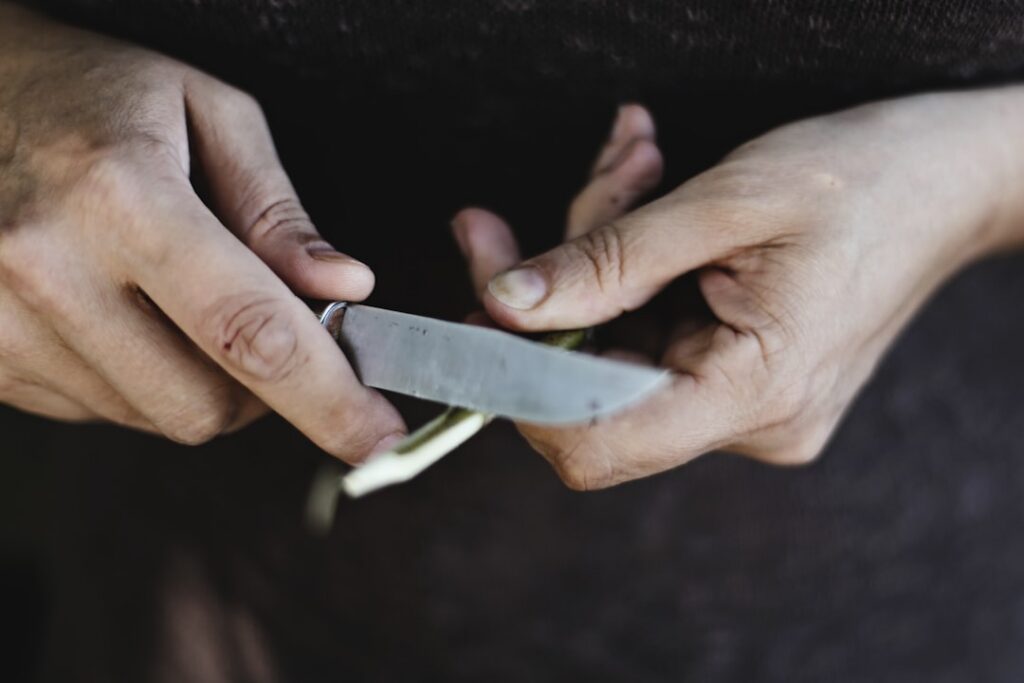
- Make an Incision: Using a sharp, clean knife or razor, make small cuts on the stem, particularly closer to the base.
- Collect the Sap: As the milky sap oozes out, gently scrape it off with your knife and collect it into your sterile glass vial. This process can be slow and requires patience.
- Repeat: You may need to make multiple incisions on several plants to get a usable quantity.
2. Preparing a Tincture from Sap
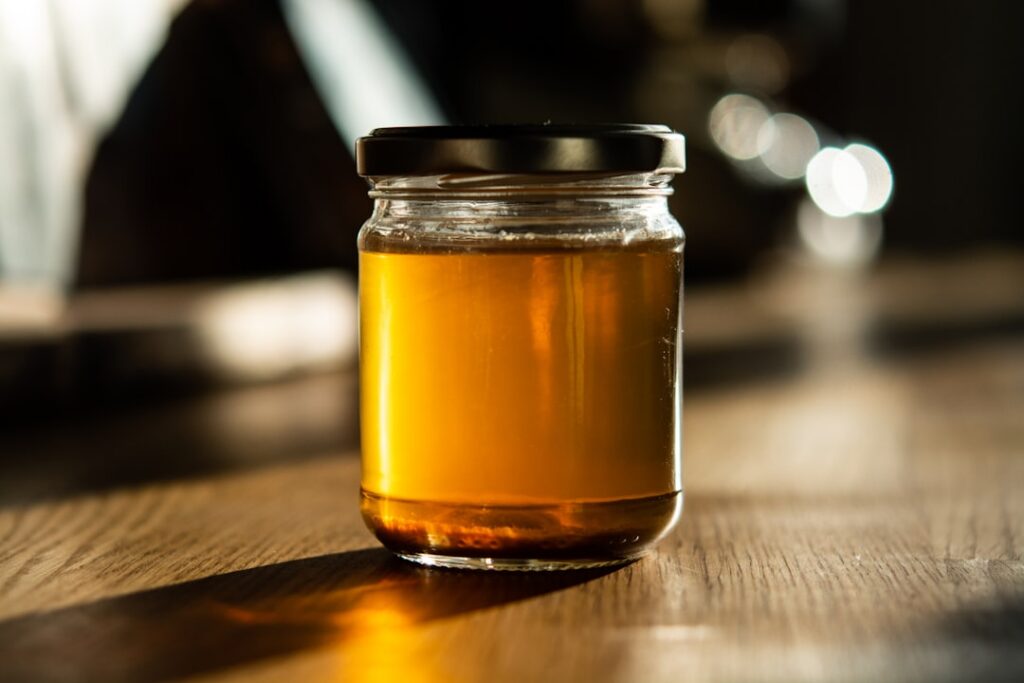
- Combine Sap & Alcohol: Once you have collected your desired amount of fresh sap, transfer it to a small, clean glass jar. Add high-proof alcohol, aiming for a concentration of 1 part sap to 5-10 parts alcohol.
- Steep: Seal the jar tightly and store it in a cool, dark place for 2-4 weeks. Shake daily to ensure proper extraction.
- Strain: After steeping, strain the liquid through a fine-mesh cloth or coffee filter to remove any plant particulate.
- Store: Store your finished tincture in a dark glass dropper bottle, away from direct sunlight.
3. Preparing a Decoction (from Dried Leaves/Stems)
- Gather & Dry: Collect fresh Wild Lettuce leaves and stems, then hang them in a well-ventilated, dry area away from direct sunlight until completely brittle.
- Crush: Once dry, crush the leaves and stems into small pieces.
- Boil: Add 1-2 teaspoons of dried herb per 8 oz (240 ml) of distilled water to a small pot. Bring to a boil, then reduce heat and simmer for 15-20 minutes with a lid on.
- Strain & Serve: Strain the liquid, discarding the plant material. Drink warm.
How to Use & Best Time to Take
- Tincture: For acute discomfort, 10-20 drops orally, 1-3 times a day. For relaxation, take 30-60 minutes before bed. Start with a low dose to assess your body’s reaction.
- Decoction/Tea: Drink one cup 1-2 times daily as needed for mild pain or before bed for relaxation.
- Topical (less common): Diluted tincture can sometimes be applied topically to sore muscles, but test on a small skin area first.
How Often to Use
This remedy is best used on an as-needed basis for acute pain or occasional sleeplessness. While generally considered safe for short-term use, continuous daily use for extended periods (e.g., more than a few weeks) is not typically recommended without professional guidance due to potential tolerance buildup or unforeseen long-term effects.
Why It Works: The Science Behind the Sap
The pain-relieving effects of Wild Lettuce sap are primarily attributed to its bitter compounds, lactucopicrin and lactucin. These substances are structurally similar to certain opioid compounds, though they act through different mechanisms. They are believed to influence the central nervous system, potentially offering analgesic (pain-relieving) and mild sedative properties. Lactucarium may also possess anti-inflammatory actions, which contribute to its effectiveness in soothing discomfort related to inflammation, a common cause of aches and pains.
Who Benefits Most
Individuals experiencing mild to moderate muscle aches, joint discomfort, tension headaches, or general body pain may find this remedy helpful. It can also be beneficial for those seeking a natural aid for occasional sleeplessness due to its mild sedative qualities. People looking for alternatives to over-the-counter pain medications for minor complaints are often good candidates.
Common Mistakes to Avoid
- Misidentification: Confusing Wild Lettuce with other, potentially toxic plants. Always be 100% certain of your plant identification.
- Improper Collection: Not collecting enough sap, or trying to collect when the plant is not actively producing.
- Using Sprayed Plants: Harvesting from areas that may have been treated with pesticides or herbicides. Only collect from clean, uncontaminated environments.
- Overdosing: While generally mild, taking too much can lead to drowsiness or stomach upset. Always start with a low dose.
- Inadequate Storage: Not storing tinctures in dark, sealed bottles, which can degrade the active compounds over time.
Cautions / Who Should Avoid It
- Pregnancy & Breastfeeding: Avoid use during pregnancy and breastfeeding due to insufficient safety data.
- Sedatives & CNS Depressants: May potentiate the effects of sedative medications, alcohol, or other CNS depressants.
- Glaucoma: Individuals with narrow-angle glaucoma should avoid due to potential pupil dilation.
- Surgery: Discontinue use at least two weeks before any scheduled surgery due to potential sedative effects.
- Allergies: Individuals allergic to ragweed, marigolds, or other plants in the Asteraceae family may also be allergic to Wild Lettuce.
- Children: Not recommended for young children without professional medical advice.
How to Source Your Sap & Choose Ingredients
The best way to ensure quality sap is to harvest Wild Lettuce yourself from wild, unsprayed areas. Look for plants that are healthy and vigorous. If foraging isn’t an option, some herbal suppliers sell dried wild lettuce leaf or pre-made tinctures. When buying, ensure the supplier specifies the botanical name (Lactuca serriola or Lactuca virosa) and that the product is organically sourced and free from contaminants.
Comparison: Fresh Sap vs. Dried Herb Preparations
| Feature | Fresh Sap Tincture | Dried Leaf/Stem Decoction |
|---|---|---|
| Potency | Generally higher concentration of active compounds. | Potency can be variable, often milder. |
| Preparation | Requires careful collection of small sap amounts; then tincture process. | Easier to gather and dry plant material; simpler brewing process. |
| Shelf Life | Tincture form stable for 2-5 years. | Fresh decoction must be consumed immediately; dried herb stable for ~1 year. |
| Best Use For | More acute pain, stronger sedative effect. | Mild aches, general relaxation, preventative use. |
Practical Tips
- Start Small: Always begin with the lowest recommended dose to see how your body reacts.
- Listen to Your Body: If you experience any adverse effects, discontinue use.
- Keep Records: Note down dosages and effects to find what works best for you.
- Forage Responsibly: When collecting wild plants, always leave plenty for regeneration and never take more than you need.
Here’s the part most people skip…
Many eager foragers overlook the importance of proper drying and storage. If you’re not making a fresh tincture, ensure dried leaves and stems are completely free of moisture before storing them in airtight containers away from light and heat. Moisture can lead to mold and degrade the active compounds, rendering your efforts useless.
Quick Summary
- Best Preparation: Alcohol tincture from fresh sap for potent results. Dried leaf/stem decoction for milder effects.
- Best Use-Case: Mild to moderate pain relief, muscle aches, tension headaches, and natural sleep aid.
- Storage: Tinctures in dark glass bottles, dried herbs in airtight containers away from light and heat.
- When to Use: As needed for pain, or 30-60 minutes before bed for relaxation.
- What to Avoid: Misidentification, sprayed plants, overdosing, and use during pregnancy/breastfeeding.
FAQ
- Can I use fresh wild lettuce leaves for a tea? Yes, you can. While the sap is most concentrated, fresh leaves can be steeped to make a milder tea.
- How long does wild lettuce tincture last? If prepared correctly and stored in a cool, dark place, an alcohol-based tincture can last 2-5 years.
- Can I refrigerate the fresh sap? Fresh sap is highly perishable. It’s best to process it into a tincture or dry it immediately. Refrigeration will only extend its life slightly.
- How often should I use wild lettuce? It’s recommended for occasional or as-needed use rather than prolonged daily consumption.
- What part of the wild lettuce plant is best for sap collection? The stem, especially before or during flowering, produces the most sap.
- Can I reuse the plant after collecting sap? Yes, if you make small incisions, the plant can continue to grow and produce more sap, though subsequent yields might be smaller.
- When should I avoid using wild lettuce? Avoid if pregnant, breastfeeding, on sedative medications, or before surgery. Consult a doctor if you have underlying health conditions.
- Does wild lettuce make you ‘high’? No, it does not contain opioid alkaloids that cause euphoria or addiction like opium. Its effects are generally mild, promoting relaxation and pain relief without a ‘high.’
The world of natural remedies offers profound solutions if you know where to look. Wild Lettuce sap, often overlooked, provides a gentle yet effective path to managing discomfort. By understanding its collection and preparation, you can unlock a truly natural fix for those persistent aches and find a deeper sense of well-being.
You may also like: Herbal Tincture Basics: Your Step-by-Step Guide
Read more: Natural Sleep Aids: Beyond Melatonin
See the full guide: Top Anti-Inflammatory Herbs for Daily Use