Dreaming of a garden overflowing with juicy, homegrown fruit? Imagine plucking a ripe apple straight from your backyard tree or harvesting a basket full of sweet peaches. While it might sound like a gardener’s fantasy, learning the art of fruit tree pruning is the key to turning that dream into a delicious reality!
Pruning isn’t just about giving your trees a haircut; it’s a strategic dance with nature that shapes your trees for optimal health, stronger growth, and, most importantly, a more abundant and delicious harvest. It’s a skill that empowers you to guide your trees towards their full potential.
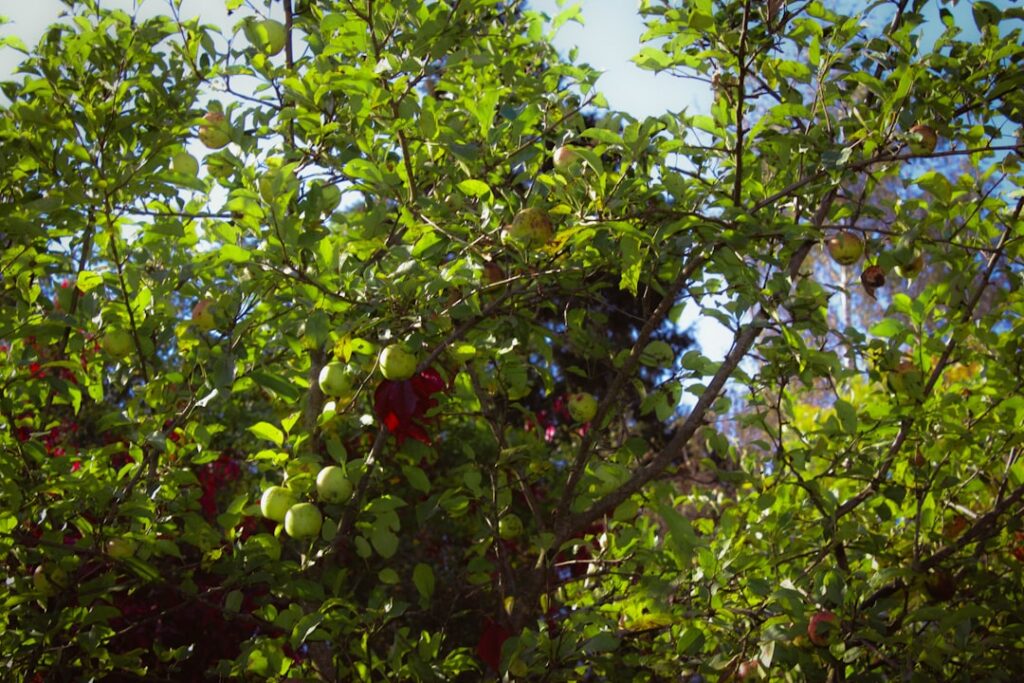
Why Prune Your Fruit Trees? More Than Just Aesthetics
Many new gardeners are hesitant to prune, fearing they might harm their trees. However, proper pruning is one of the most beneficial things you can do for your fruit trees. Here’s why:
- Increased Fruit Production: By removing unproductive wood, the tree can focus its energy on developing fewer, but larger and higher-quality fruits.
- Improved Fruit Quality: Pruning opens up the canopy, allowing more sunlight to reach all parts of the tree, which is crucial for fruit ripening, color, and sweetness. Good airflow also reduces fungal diseases.
- Enhanced Tree Health: Removing dead, diseased, or damaged branches prevents the spread of pathogens and pests, and encourages vigorous new growth.
- Stronger Tree Structure: Strategic cuts help establish a robust framework that can support the weight of a heavy fruit crop without breaking.
- Easier Harvesting and Maintenance: A well-pruned tree is typically more compact and accessible, making spraying, thinning, and harvesting much simpler.
- Longevity of the Tree: By promoting overall health and preventing disease, pruning contributes to the long-term vitality and lifespan of your fruit trees.
When to Prune: Timing is Everything
The best time to prune most deciduous fruit trees (like apples, pears, peaches, and plums) is during their dormant season, typically late winter or early spring, before new growth begins and after the coldest temperatures have passed. Why dormant season?
- The absence of leaves makes it easy to see the tree’s structure.
- The tree is not actively growing, minimizing stress.
- Pest and disease risk is generally lower.
Some exceptions exist, such as light summer pruning to control vigor or remove water sprouts, or specific pruning for certain stone fruits after harvest. Always research the specific needs of your fruit tree variety.
Essential Tools for the Task
Before you begin, gather the right tools. Sharp, clean tools make precise cuts that heal quickly and minimize damage to the tree:
- Hand Pruners (Bypass Type): For small branches, up to 3/4 inch thick.
- Loppers: For branches up to 1 1/2 inches thick, providing more leverage.
- Pruning Saw: For larger branches. Choose one designed for live wood.
- Safety Glasses and Gloves: Protect your eyes and hands.
Always sterilize your tools with rubbing alcohol or a bleach solution between trees (and even between major cuts on a diseased tree) to prevent the spread of diseases.
Key Pruning Techniques to Master
Our easy-to-understand guide will help you master key cuts and techniques. Remember, the goal is to create an open, balanced structure that allows light and air to penetrate.
1. Remove the “Three D’s”
Start by removing any branches that are Dead, Diseased, or Damaged. This is always the first step, regardless of the season, to maintain tree health.
2. Thinning for Airflow and Sunlight
Look for branches that are growing inward, crossing each other, or growing too densely. Remove some of these branches to create an open canopy. This allows sunlight to reach more fruit and improves air circulation, which helps prevent fungal issues.
3. Encourage Lateral Growth and Strong Structure
Sometimes you want to encourage a branch to grow outwards or develop side shoots. Making a cut just above an outward-facing bud can direct new growth in that direction. Aim for a balanced, open