Ever wondered if your water’s temperature truly impacts your hydration and digestion? It’s a question many of us ponder, often fueled by conflicting advice and popular myths. This guide cuts through the common misconceptions to reveal what genuinely supports your body, helping you make informed choices about your daily water intake. Let’s dive into the fascinating world of water temperature and its real effects on your well-being.
We’ll explore the common beliefs surrounding both cold and warm water, separating fact from fiction so you can optimize your hydration for better digestion, circulation, and overall health.
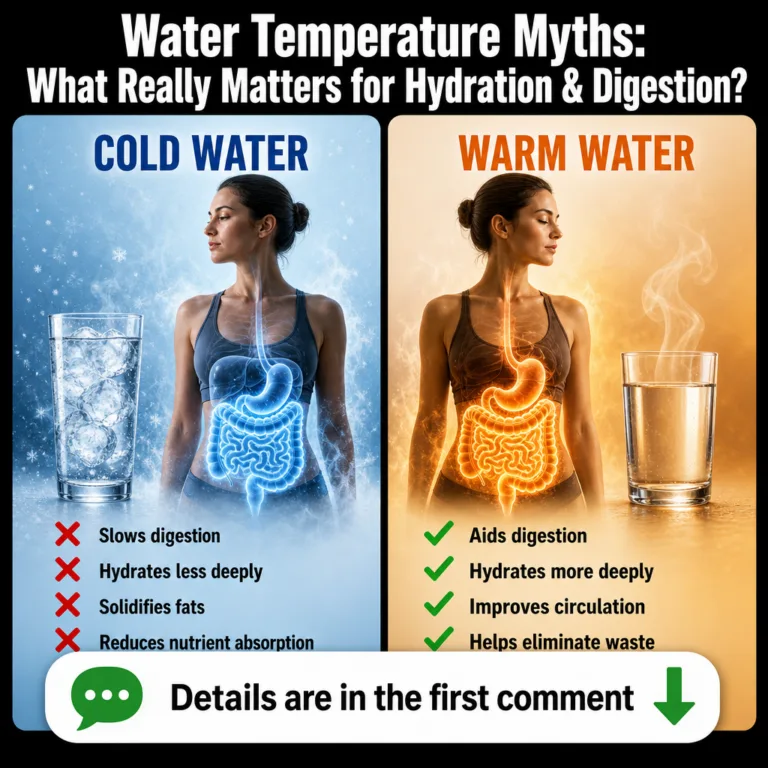
The Truth About Cold Water: Debunking Common Myths
Cold water often gets a bad rap, with many myths suggesting it can harm your digestion or even solidify fats. Let’s set the record straight by examining what the evidence actually says.
Myth 1: Cold Water Causes Digestive Problems or Solidifies Food
One of the most persistent myths is that drinking cold water, especially with meals, can ‘solidify’ fats or make digestion sluggish. The truth is, your body is remarkably good at regulating its internal temperature. When you drink cold water, your body quickly warms it to body temperature before it reaches your stomach. The digestive process, involving powerful stomach acids and enzymes, is robust enough to handle food and liquids regardless of their initial temperature. There’s no scientific evidence to support the idea that cold water hinders digestion or causes food to ‘clump up’.
Myth 2: Cold Water Harms Nutrient Absorption
Another common misconception is that cold water impedes your body’s ability to absorb essential nutrients from food. This is also unfounded. Nutrient absorption primarily occurs in the small intestine, a process that is not significantly affected by the temperature of the water you consume. Your digestive system is designed to efficiently extract nutrients, and the slight temperature change from cold water is easily managed without impacting this vital function.
Myth 3: Cold Water Restricts Blood Flow or Shrinks Blood Vessels
Some believe that cold water causes blood vessels to constrict, thereby reducing blood flow to vital organs. While cold can cause a temporary constriction of superficial blood vessels in the skin, this effect is localized and minimal on internal organs, particularly in the context of drinking a glass of water. Your body’s core temperature regulation ensures that blood flow to major organs remains consistent, even when you consume cold beverages. This myth does not hold up to physiological scrutiny.
Myth 4: Cold Water Burns More Calories
This claim often surfaces in weight loss discussions. The idea is that your body has to work harder to warm up cold water, thereby burning more calories. While it’s true that your body expends a tiny amount of energy to bring cold water to body temperature, the caloric expenditure is negligible—we’re talking single-digit calories per glass. It’s certainly not a significant strategy for weight loss. For effective calorie burning, focus on a balanced diet and regular physical activity.
The Benefits of Warm Water: What Science Says
While cold water myths are largely debunked, warm water does offer several genuine benefits, particularly when consumed at specific times or for certain conditions.
Relieving Nasal Congestion
If you’ve ever sipped a warm drink when you have a cold, you’ve likely experienced this benefit firsthand. The steam from warm water can help to loosen mucus in your nasal passages and throat, providing temporary relief from congestion. It acts as a natural expectorant, making it easier to clear airways and breathe more comfortably.
Aiding Digestion and Constipation
Warm water can indeed be a gentle aid for digestion. It can help break down food in the stomach more efficiently and facilitate smoother bowel movements, potentially easing constipation. When consumed on an empty stomach, warm water may stimulate the gastrointestinal tract, supporting regularity and detox. For those struggling with occasional constipation, a glass of warm water in the morning can be a simple, natural remedy.
Boosting Blood Circulation
Drinking warm water can promote vasodilation, meaning it helps to widen blood vessels. This can lead to improved blood flow throughout the body. Enhanced circulation is vital for delivering oxygen and nutrients to tissues and organs, as well as for removing waste products. This gentle boost to circulation can contribute to overall cardiovascular health and a feeling of warmth and comfort.
Calming the Nervous System
A warm beverage can be incredibly soothing. The warmth itself, combined with the act of slow, mindful sipping, can have a calming effect on the nervous system. This can help reduce stress and anxiety, promoting relaxation and better sleep. Many find a cup of warm water or herbal tea before bed to be a helpful ritual for unwinding.
So, Which Temperature is Best for You?
Ultimately, the