Do you ever feel that persistent tightness in your chest or a nagging cough that just won’t go away? Many people face respiratory discomfort, especially with seasonal changes or environmental factors. While the search for relief often leads to complex solutions, most people never realize that one of nature’s most effective remedies might be growing right in their own backyard.
Known by many names, including ‘Asthma-plant’ and ‘Garden Spurge’, Euphorbia hirta is a common sight in many tropical and subtropical regions. Yet, its incredible potential for supporting lung health remains a secret to many. This unassuming herb has been a cornerstone in traditional remedies for centuries, prized for its ability to soothe and support the respiratory system. Most people ignore this humble plant, focusing instead on more exotic or expensive options, but its simple preparation and accessibility make it a truly priceless discovery.
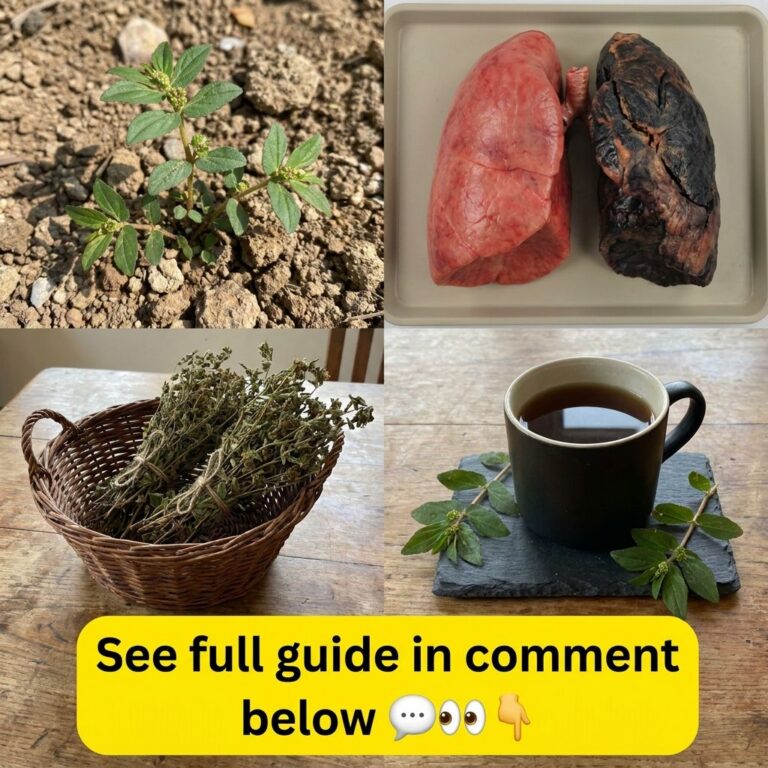
What is Euphorbia Hirta?
Euphorbia hirta is a small annual herb belonging to the spurge family (Euphorbiaceae). It typically grows low to the ground, with reddish-green stems and small, serrated leaves. While it’s often considered a weed, its traditional uses paint a very different picture. Across various cultures, especially in traditional Asian, African, and Australian aboriginal medicine, it has been used for its properties to help with various ailments, with a strong focus on respiratory conditions.
Why It Works: The Traditional Insight
Traditional herbalists have long valued Euphorbia hirta for its perceived soothing and supportive effects on the lungs and airways. While we avoid making medical claims, common understanding suggests that its efficacy is linked to its rich array of natural compounds, including flavonoids, tannins, and terpenoids. These compounds are traditionally thought to contribute to the plant’s ability to help relax the airways and support a healthy inflammatory response, crucial for comfortable breathing. It’s these very components that make this backyard plant a fascinating subject for traditional remedies, aiming to ease discomfort and promote respiratory wellness.
Ingredients for Your Euphorbia Hirta Remedy
Making a simple, effective remedy from Euphorbia hirta is straightforward. Here’s what you’ll need:
- Fresh or Dried Euphorbia Hirta: Approximately 10-15 grams (about a handful of fresh plant, including leaves and stems, or 5-7 grams dried). Ensure it’s organically grown and free from pesticides.
- Water: 500 ml (about 2 cups), preferably filtered.
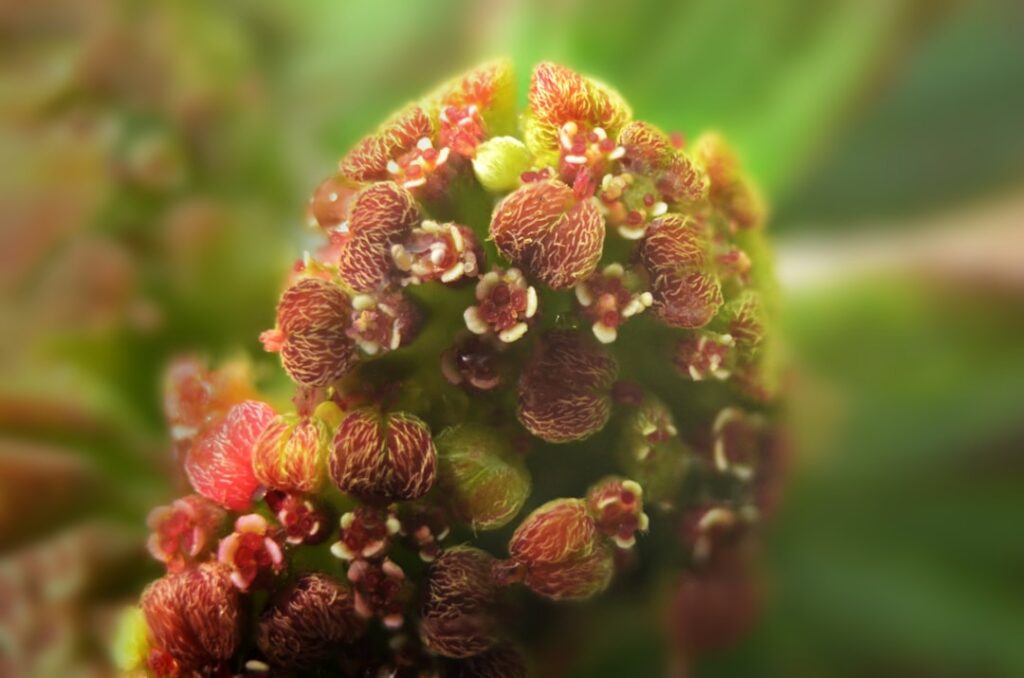
Approximate Measurements
For a standard adult dose, using 10-15 grams of fresh plant material or 5-7 grams of dried plant material in 500 ml of water is a good starting point. This yields a potent yet balanced infusion.
Formula / Recipe: Euphorbia Hirta Lung Support Tea
Step-by-Step Method
- Harvest/Prepare the Plant: If using fresh Euphorbia hirta, thoroughly wash the entire plant (leaves, stems, and roots) under cold running water to remove any dirt or insects. Chop it roughly into 1-inch pieces. If using dried, simply measure out the required amount.
- Boil Water: Bring 500 ml of filtered water to a rolling boil in a clean pot.
- Add Euphorbia Hirta: Once the water boils, reduce the heat to low. Add the chopped fresh or dried Euphorbia hirta to the pot.
- Simmer: Cover the pot and let it simmer gently for 10-15 minutes. This slow simmer allows for the optimal extraction of beneficial compounds without over-evaporation.
- Steep: Remove the pot from the heat and let it steep, covered, for another 5-10 minutes. This extra steeping time ensures maximum potency.
- Strain: Strain the liquid using a fine-mesh sieve or cheesecloth into a mug or heat-proof container, discarding the plant material.
- Serve: Your Euphorbia hirta tea is ready. It can be consumed warm.
Fresh vs. Dried: What’s the Difference?
| Feature | Fresh Euphorbia Hirta | Dried Euphorbia Hirta |
|---|---|---|
| Potency | Generally milder, requires more plant material | More concentrated, less material needed |
| Availability | Seasonal, requires direct harvesting | Available year-round, can be stored |
| Preparation | Washing and chopping needed | Ready to use, often pre-cut |
| Shelf Life | Very short, use immediately | Longer, up to 1 year if stored correctly |
How to Use & Best Time to Take It
Consume one cup of this tea, either warm or at room temperature. The best time to take it is generally in the morning or early evening. If you’re experiencing respiratory discomfort, taking it when symptoms are most bothersome can be helpful. Some prefer it on an empty stomach, while others find it better after a light meal.
How Often to Use
For general wellness support, a single cup once a day is often sufficient. If using for specific discomfort, you may consume it 1-2 times daily. Always listen to your body and adjust frequency as needed. It’s not recommended for long-term continuous use without breaks.
How to Buy / How to Choose Ingredients
When sourcing Euphorbia hirta, whether fresh or dried, prioritize quality and safety:
- Wild Harvesting: If gathering from your garden or wild, ensure the area is free from pesticides, herbicides, and pollution (e.g., roadside). Positively identify the plant to avoid look-alikes.
- Reputable Suppliers: For dried herbs, purchase from trusted herbal stores or online suppliers who can verify the plant’s origin and cultivation practices. Look for organic or wild-crafted certifications.
- Freshness: For fresh plants, look for vibrant green leaves and firm stems. For dried, ensure it has a pleasant, earthy aroma and no signs of mold or insect damage.
Storage
Proper storage is crucial to maintain the potency and freshness of your Euphorbia hirta:
- Fresh Plant: Use immediately. If you must store it briefly, wrap it in a damp paper towel and place it in a plastic bag in the refrigerator for no more than 1-2 days.
- Dried Plant: Store in an airtight container (glass jars are ideal) in a cool, dark, dry place. Away from direct sunlight and humidity. It can last up to one year.
- Prepared Tea: The prepared tea can be stored in the refrigerator for up to 24 hours. Reheat gently or consume chilled.
Practical Tips
- Taste Adjustment: Euphorbia hirta tea has a distinct earthy, slightly bitter taste. You can add a slice of lemon, a tiny bit of raw honey, or a small piece of ginger to improve the flavor if desired.
- Consistency: For best results, incorporate this remedy into your routine consistently for a period, rather than sporadic use.
- Observation: Pay attention to how your body responds and adjust usage as needed.
Common Mistakes
- Misidentification: Using the wrong plant can be dangerous. Always ensure you have correctly identified Euphorbia hirta if wild-harvesting.
- Using Sprayed Plants: Harvesting from areas treated with pesticides or herbicides introduces harmful chemicals into your remedy.
- Boiling Too Vigorously: Over-boiling can degrade some heat-sensitive compounds, reducing the tea’s effectiveness. A gentle simmer is best.
- Improper Storage: Storing dried herbs in humid conditions can lead to mold and loss of potency.
- Overuse: While generally considered safe in moderate amounts, excessive consumption is not recommended and can potentially lead to discomfort.
Cautions / Who Should Avoid It
While Euphorbia hirta is traditionally used, certain individuals should exercise caution or avoid it:
- Pregnancy and Breastfeeding: There is insufficient research on its safety during pregnancy and lactation. It’s best to avoid use.
- Children: Consult a healthcare professional before giving it to children.
- Existing Medical Conditions: If you have pre-existing health conditions, especially liver or kidney issues, or are on medication, consult with a healthcare provider before using any new herbal remedy.
- Allergies: If you have allergies to plants in the Euphorbiaceae family, you might be allergic to Euphorbia hirta.
Quick Summary
Euphorbia hirta offers a natural and accessible way to support lung health, traditionally valued for its soothing properties. The best preparation is a simple tea made by simmering fresh or dried plant material. Use it once or twice daily for respiratory support. Store dried herbs in airtight containers in a cool, dark place, and fresh herbs should be used immediately. Always avoid using sprayed plants and ensure proper identification.
You may also like: Herbal Teas for Winter Wellness: Your Guide to Seasonal Comfort
FAQ
- Can I use fresh or dried Euphorbia hirta?
Yes, both fresh and dried forms can be used. Adjust the quantity accordingly; you’ll need more fresh plant material than dried. - How long does the prepared tea last?
The prepared tea is best consumed fresh but can be stored in the refrigerator for up to 24 hours. - Can I add other herbs to the tea?
Yes, you can experiment with complementary herbs like ginger or liquorice root, but always introduce new ingredients slowly to observe your body’s reaction. - What part of the plant is best to use?
Traditionally, the entire aerial part of the plant (leaves, stems, and flowers) is used, and sometimes even the roots are included in decoctions. - How do I ensure I have the correct plant?
If wild-harvesting, consult local botanical guides or experienced herbalists for positive identification. Look for its distinctive reddish-green stems, small serrated leaves, and milky sap (though handle with care, as sap can be irritating to some). - Can I reuse the plant material for another brew?
It’s generally not recommended. Most of the beneficial compounds are extracted in the first brew, and subsequent brews will be much weaker. - When should I avoid Euphorbia hirta?
Avoid if pregnant, breastfeeding, or if you have serious underlying health conditions or are on medication, without consulting a healthcare professional.
Related remedy: Natural Cough Syrup: A Homemade Remedy for Soothing Relief
Conclusion
The humble Euphorbia hirta, often dismissed as a common weed, holds a remarkable place in traditional herbal practices for its potential in supporting lung health. By understanding how to properly identify, prepare, and use this plant, you can tap into a natural remedy that has offered comfort for generations. Always approach herbal remedies with respect and informed caution, valuing the wisdom of nature that often grows right beneath our feet.
Continue with: Understanding Respiratory Health: A Holistic Approach