Most people ignore the potent remedies hiding in plain sight, pulling them out of their gardens without a second thought. But what if those familiar ‘weeds’ held the key to a natural fix for common ailments you wish you knew sooner? These overlooked plants are not merely nuisances; they are packed with unexpected healing potential, often more accessible and gentler than many store-bought alternatives. This guide will reveal how to transform humble dandelion and plantain from garden invaders into restorative home remedies.
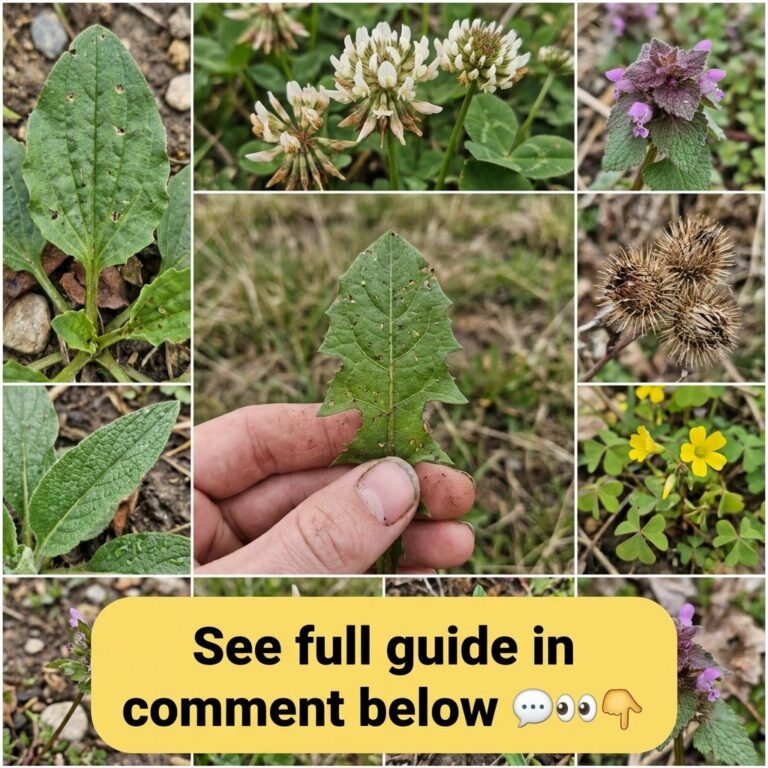
What Are These Healing “Weeds”?
Before you reach for the weed killer, let’s look closer at two of nature’s most abundant and beneficial ‘weeds’ visible in almost every yard: Dandelion and Plantain. Often mistaken for simple garden nuisances, both have long histories in traditional herbal medicine for their diverse properties.
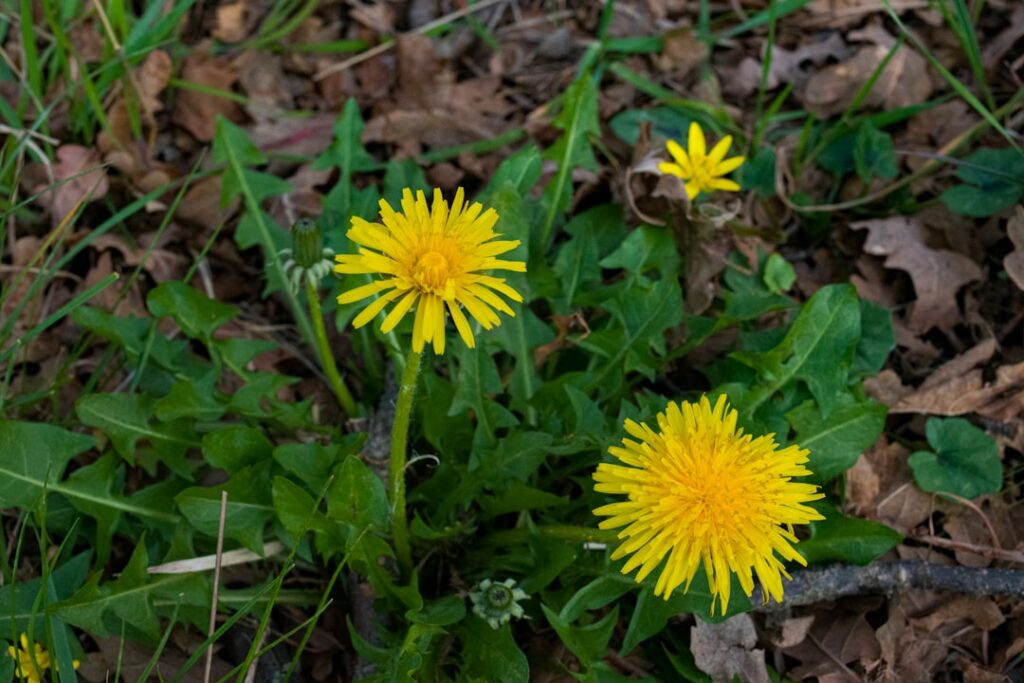
Dandelion (Taraxacum officinale)
Beyond its bright yellow flowers, dandelion is a powerhouse. Its leaves, rich in vitamins and minerals, can support digestion, while its roots are traditionally used for liver support and gentle detoxification.
Plantain (Plantago major/lanceolata)
Not the banana-like fruit, but the broadleaf or narrow-leaf plantain, commonly found in lawns. This resilient plant is cherished for its soothing and drawing properties, making it excellent for skin irritations like bug bites, stings, and minor cuts.
Remedy 1: Dandelion Root & Leaf Detox Tea
This simple tea utilizes both the diuretic properties of dandelion leaves and the liver-supporting qualities of its roots, making it a natural choice for gentle detoxification and digestive aid.
Ingredients
- 1 tablespoon fresh dandelion leaves, chopped OR 1 teaspoon dried dandelion leaves
- 1 tablespoon fresh dandelion root, scrubbed and chopped OR 1 teaspoon dried dandelion root, chopped
- 2 cups filtered water
Approximate Measurements
The quantities above are for a single serving. Adjust proportionally if making a larger batch. For dried herbs, generally use about half the volume of fresh herbs, as they are more concentrated.
Formula / Recipe
- If using fresh root, scrub thoroughly and chop into small pieces.
- Combine chopped dandelion leaves and root in a small saucepan.
- Add 2 cups of filtered water.
Step-by-Step Method
- Bring the mixture to a boil over medium heat.
- Once boiling, reduce heat to low, cover, and simmer for 10-15 minutes (for dried ingredients, 5-10 minutes is often sufficient). This longer simmer extracts more from the roots.
- Remove from heat and let steep for another 5 minutes.
- Strain the tea into a mug, pressing the plant material to extract all liquid.
- Sweeten with a touch of honey or lemon if desired.
How to Use
Drink warm. Best consumed in the morning or between meals to support digestion and detoxification.
How Often to Use
1-2 cups per day for 1-2 weeks for a gentle cleanse, or as needed for digestive support. Consult a healthcare professional for prolonged use.
Remedy 2: Plantain Leaf Soothing Poultice
Plantain is renowned for its ability to draw out toxins and soothe irritated skin. A poultice is a quick, effective way to apply its benefits directly to the skin.
Ingredients
- 2-3 fresh, clean plantain leaves (broadleaf or narrow-leaf)
- Optional: A few drops of water or a carrier oil (like olive oil)
Approximate Measurements
The number of leaves depends on the size of the area to be treated. More leaves for larger areas.
Formula / Recipe
- Wash plantain leaves thoroughly to remove dirt and insects.
- Gently bruise or chew the leaves to release their juices.
Step-by-Step Method
- Place the bruised leaves directly onto the affected skin area (bug bite, minor cut, sting).
- If desired, secure with a bandage or cloth.
- For a more intense effect, you can crush the leaves with a mortar and pestle (or even a clean rock) to create a pulp, adding a few drops of water or oil to form a paste if needed.
How to Use
Apply the poultice to insect bites, stings, splinters, minor cuts, or rashes. Leave on for 30 minutes to a few hours, or until symptoms subside. Reapply as needed.
How Often to Use
Repeat application 2-3 times a day until the irritation is resolved.
Why These “Weeds” Work: The Science Insight
The efficacy of dandelion and plantain lies in their rich chemical compositions.
- Dandelion: Contains bitter compounds (sesquiterpene lactones) that stimulate digestion and bile flow, supporting liver and gallbladder function. Its leaves are rich in vitamins A, C, K, and minerals like potassium, acting as a natural diuretic.
- Plantain: Features mucilage, which creates a soothing, protective layer on the skin. It also contains iridoid glycosides (like aucubin), which contribute to its anti-inflammatory and antimicrobial properties, helping to calm irritation and aid wound healing.
Did You Know? The ‘drawing’ power of plantain is often attributed to its ability to pull out splinters or venom from stings, providing quick relief.
How to Choose & Harvest Your Ingredients
Ethical and safe foraging is key to these remedies.
- Identification: Always be 100% sure of your plant identification. Use reliable field guides.
- Location: Harvest from areas free from pesticides, herbicides, and pollution (away from roadsides, industrial areas, or recently treated lawns).
- Timing: Harvest dandelion leaves in spring before flowering for the mildest taste. Roots are best harvested in spring or fall when their energy is concentrated. Plantain leaves can be harvested throughout the growing season.
- Cleaning: Always wash freshly harvested plants thoroughly under cool running water.
Fresh vs. Dried: A Quick Reference
| Feature | Fresh Herbs | Dried Herbs |
|---|---|---|
| Potency | Generally milder, but with full spectrum of fresh compounds | More concentrated, requiring less quantity |
| Preparation | Requires immediate use or processing | Longer shelf life, ready for use anytime |
| Flavor Profile | Brighter, sometimes more bitter (dandelion) | Deeper, sometimes earthier |
| Availability | Seasonal | Year-round |
Storage Best Practices
- Fresh Dandelion/Plantain: Store unwashed in a plastic bag in the refrigerator for up to 3-5 days.
- Dried Dandelion: Once thoroughly dried (leaves brittle, roots snap), store in airtight containers in a cool, dark place for up to 1 year.
- Poultice: Best made fresh for each application. Do not store prepared poultices.
Practical Tips for Best Results
- Harvesting Tools: For dandelion roots, a sturdy trowel or digging fork is essential.
- Drying: Lay leaves and chopped roots in a single layer on a clean screen or paper bag in a well-ventilated, shaded area. Turn daily until completely dry.
- Taste Adjustment: Dandelion tea can be quite bitter. Start with smaller amounts if you’re new to it, and consider adding mint or ginger for flavor.
Common Mistakes to Avoid
- Misidentification: The biggest risk! Always double-check before harvesting and consuming.
- Harvesting from Contaminated Areas: Avoid plants near roadsides or chemically treated lawns.
- Improper Drying: Incomplete drying leads to mold and spoilage, rendering the herbs useless.
- Over-harvesting: Take only what you need, leaving plenty for the plant to thrive and for wildlife.
- Using Sprayed Plants: Never use plants that have been treated with pesticides or herbicides.
Cautions / Who Should Avoid It
While generally safe for most, some individuals should exercise caution:
- Dandelion: Avoid if allergic to plants in the daisy family (ragweed, chrysanthemums, marigolds). May interact with certain medications (e.g., diuretics, blood thinners) or exacerbate gallstones. Consult a doctor if you have kidney or liver conditions.
- Plantain: Generally very safe topically. Internal use is less common and should be approached with care if pregnant or breastfeeding.
Always consult with a healthcare professional before starting any new herbal remedy, especially if you have underlying health conditions, are pregnant, breastfeeding, or taking medications.
Quick Summary
- Best Preparation: Dandelion for tea (leaves & root), Plantain for poultice (leaves).
- Best Use-Case: Dandelion for digestion/detox, Plantain for skin irritations.
- Storage: Dried herbs in airtight containers for up to 1 year; fresh used within days.
- When to Use: Dandelion tea in the morning; Plantain poultice as needed for skin issues.
- What to Avoid: Misidentification, contaminated plants, improper storage.
Frequently Asked Questions
- Can I use fresh or dried dandelion/plantain? Both can be used. Fresh is often preferred for poultices, while both work for teas, with dried being more convenient for year-round use.
- How long do dried herbs last? When stored properly in airtight containers in a cool, dark place, dried dandelion can last up to a year.
- Can I refrigerate fresh leaves? Yes, store unwashed fresh leaves in a plastic bag in the refrigerator for 3-5 days.
- How often should I use dandelion tea? For general support, 1-2 cups daily for 1-2 weeks.
- What part of the dandelion is best? The leaves are great for diuretics and nutrition, while the root is prized for liver support.
- When should I avoid these remedies? If you have known allergies to related plants, are on specific medications, or have serious kidney/liver conditions, consult a doctor first.
- Can I reuse dandelion tea leaves? While some flavor and compounds remain, the potency significantly decreases after the first brew. It’s generally best to use fresh material for each batch.
Conclusion
The next time you spot a dandelion or plantain in your garden, think twice before pulling them out. These humble ‘weeds’ are a testament to nature’s abundant wisdom, offering accessible, effective remedies that are often overlooked. With a little knowledge and careful harvesting, you can unlock a world of natural healing right in your backyard, proving that sometimes, the most powerful solutions are hidden in plain sight.
You may also like: The Simple Guide to Making Herbal Teas at Home
Read more: Natural Remedies for Itchy Skin