Most people walk right past this common ‘weed’ in their garden, dismissing it as nothing more than a nuisance. But what if that overlooked plant held a surprising key to natural pain relief, especially for stubborn aches like back pain? You might be unknowingly discarding one of nature’s most potent remedies, a true gold mine for soothing discomfort.
This isn’t about exotic herbs or complicated concoctions. It’s about a resilient, unassuming plant called purslane (Portulaca oleracea) that thrives in many climates and is surprisingly packed with compounds known for their anti-inflammatory and pain-relieving properties. While the fruit often gets the attention in health circles, purslane leaves and stems are what many herbalists keep for their unexpected benefits. One small preparation mistake, however, can diminish its efficacy.
What It Is: Purslane for Pain Relief
Purslane, often mistaken for a common garden weed, is actually a succulent plant with fleshy leaves and reddish stems. It’s renowned for its high nutritional value and a long history of use in traditional medicine. For pain relief, especially localized discomfort like backaches or sore muscles, purslane can be prepared into a soothing topical compress or paste. Its rich profile of Omega-3 fatty acids, antioxidants, and minerals makes it a natural ally against inflammation.
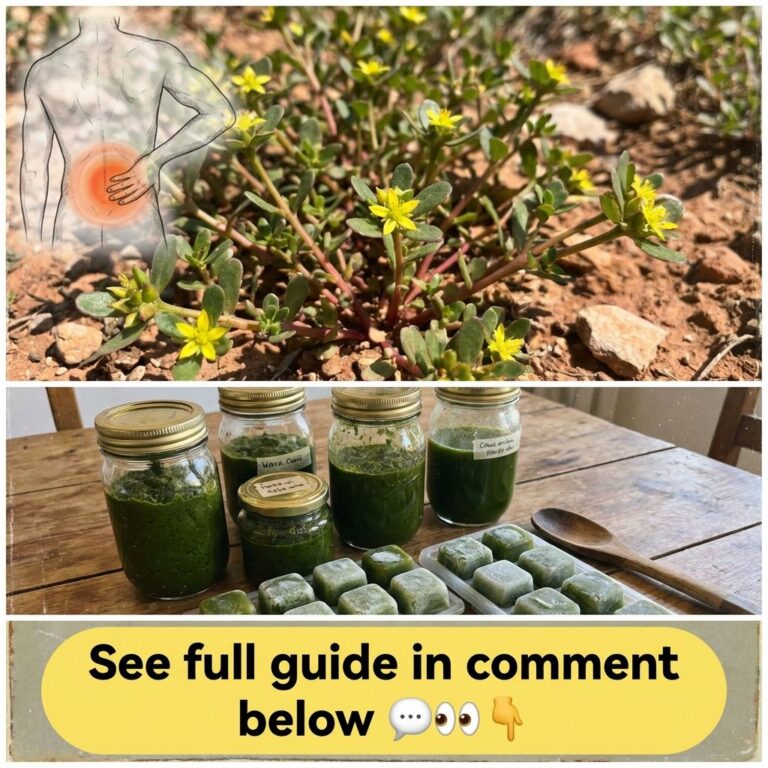
Ingredients for a Purslane Pain Relief Compress
- Fresh Purslane: 1-2 cups, loosely packed (leaves and tender stems)
- Water: 1/4 cup (for blending)
- Optional (for enhanced relief):
- Ginger (freshly grated): 1 teaspoon
- Turmeric powder: 1/2 teaspoon
Approximate Measurements
The quantities listed above are for a medium-sized compress. You can easily double or halve them depending on the area you need to treat. The goal is to create a thick, spreadable paste.
Formula / Recipe: Purslane Pain Relief Paste
Creating your own purslane pain relief paste is straightforward. The key is to retain its natural compounds without excessive heat. This method focuses on a fresh, potent preparation.
Step-by-Step Method
- Harvest & Clean: Carefully harvest fresh purslane, ensuring it’s free from pesticides. Wash it thoroughly under cool running water to remove any dirt or debris. Pat dry with a clean cloth.
- Chop: Roughly chop the purslane leaves and tender stems into smaller pieces.
- Blend: Place the chopped purslane into a blender or food processor. Add 1/4 cup of water. Blend until you achieve a smooth, thick paste. If using optional ginger and turmeric, add them now and blend again.
- Consistency Check: The paste should be thick enough to spread but not too watery. If it’s too thin, add a few more purslane leaves and blend again. If too thick, add water sparingly, a teaspoon at a time.
- Prepare for Use: Transfer the paste into a clean bowl or directly onto a cloth for application.
How to Use Your Purslane Compress
This purslane paste is best used topically for localized pain. Gently spread a generous layer of the paste directly onto the affected area, such as your lower back, neck, or sore joints. If you prefer, you can apply the paste onto a clean, thin cotton cloth (like a cheesecloth or an old t-shirt cut into strips) and then place the cloth onto your skin, creating a poultice.
How Often to Use
For acute pain, you can apply the compress 1-2 times a day, leaving it on for 30-60 minutes each time. For chronic discomfort, daily application for 30 minutes can be beneficial. Observe how your body responds and adjust accordingly.
Quick Tip: For enhanced soothing, you can gently warm the paste slightly before application. Place the bowl containing the paste over a pot of warm water (bain-marie style) for a few minutes, ensuring it’s comfortably warm, not hot, to the touch.
Why It Works (Science Insight)
The efficacy of purslane against pain largely stems from its unique biochemical profile. It’s one of the richest plant sources of Omega-3 fatty acids (alpha-linolenic acid), which are potent anti-inflammatory agents. Beyond Omega-3s, purslane contains a wealth of antioxidants like Vitamin C, Vitamin E, glutathione, and various carotenoids, all of which combat oxidative stress and reduce inflammation at a cellular level. It also provides essential minerals like magnesium, potassium, and calcium, which play roles in muscle function and nerve signaling, potentially contributing to overall pain reduction. The synergistic action of these compounds helps to calm inflammatory responses in the body, offering relief from various forms of discomfort.
Who Benefits Most
This purslane remedy is particularly beneficial for individuals experiencing localized inflammatory pain, such as:
- Those with mild to moderate back pain
- Individuals with sore muscles after physical activity
- People seeking natural relief for joint stiffness or minor aches
- Anyone looking for a soothing, anti-inflammatory topical treatment.
How to Buy / How to Choose Ingredients
The best purslane for this remedy is fresh, organically grown purslane. Look for vibrant green leaves and firm, reddish stems. Avoid any plants that show signs of wilting, discoloration, or pest damage. If you don’t grow it yourself, you might find fresh purslane at farmers’ markets or specialty grocery stores. Ensure you are correctly identifying the plant before use.
Storage
Fresh purslane paste is most potent when used immediately. However, you can store any leftover paste in an airtight container in the refrigerator for up to 2-3 days. For longer storage, as seen in the image, you can freeze the paste in ice cube trays. Once frozen, transfer the cubes to a freezer-safe bag or container. These frozen cubes can last for up to 3 months. Thaw a cube as needed for your compress.
Practical Tips
- Patch Test: Before widespread application, perform a patch test on a small area of skin to ensure no allergic reaction.
- Combine with Heat: Applying the compress after a warm shower or with a warm cloth over it can help open pores and enhance absorption.
- Consistency is Key: Regular application, even for mild discomfort, can provide cumulative benefits.
Common Mistakes
- Using Sprayed Plants: Always ensure your purslane is free of pesticides or herbicides. Wild-harvested purslane should be picked from clean, uncontaminated areas.
- Over-Dilution: Making the paste too watery reduces its potency and makes it difficult to apply effectively.
- Improper Storage: Leaving fresh paste at room temperature can lead to spoilage and loss of beneficial compounds.
- Ignoring Reactions: While rare, discontinue use if you experience any skin irritation, redness, or itching.
Cautions / Who Should Avoid It
Purslane is generally considered safe for topical use. However, individuals with allergies to plants in the Portulacaceae family should exercise caution. Pregnant or breastfeeding women should consult a healthcare professional before using any new herbal remedies. Do not apply the paste to broken skin or open wounds.
Quick Summary
- Best Preparation: Freshly blended paste for topical application.
- Best Use-Case: Localized pain relief, especially back pain, muscle soreness, and joint stiffness.
- Storage: Refrigerate for 2-3 days, freeze in cubes for up to 3 months.
- When to Use: 1-2 times daily for 30-60 minutes.
- What to Avoid: Pesticide-laden plants, overly diluted paste, and application to broken skin.
FAQ
- Can I use dried purslane for this remedy?
Fresh purslane is highly recommended for its higher concentration of beneficial compounds, especially its Omega-3s. Dried purslane may have reduced potency for this specific application. - How long does the fresh paste last in the refrigerator?
The fresh paste will last up to 2-3 days in an airtight container in the refrigerator. - Can I freeze purslane paste?
Yes, freezing in ice cube trays is an excellent way to preserve it for up to 3 months. Thaw before use. - How often should I apply the compress?
For best results, apply 1-2 times a day for 30-60 minutes. - What part of the purslane plant is best?
The leaves and tender stems are the most beneficial parts for this remedy. - Can I consume purslane internally for pain relief?
Yes, purslane is edible and nutritious, often used in salads. Consuming it can provide systemic anti-inflammatory benefits, but for targeted pain relief, a topical application is often preferred. - Is it safe for all skin types?
Generally, yes, but always perform a patch test first, especially if you have sensitive skin. - What if I don’t have a blender?
You can finely mince the purslane and then use a mortar and pestle to crush it into a paste, adding water slowly.
This often-overlooked garden dweller offers a simple, natural pathway to easing pain and discomfort. By learning to harness its potential, you transform a common ‘weed’ into a powerful ally for your well-being. Don’t let its humble appearance fool you; purslane is a testament to nature’s quiet potency.
You may also like: Read our full guide on making herbal tinctures
Related remedy: Continue with our DIY Ginger-Turmeric Anti-Inflammatory Tonic