Are you dreaming of skin that feels deeply hydrated, looks refreshed, and radiates a healthy, natural glow? In a world full of complex skincare routines and expensive products, sometimes the best solutions come straight from nature. At Healthy Roots, we believe in harnessing the power of simple, natural ingredients to support your wellness journey, and that includes your skin health. Today, we’re unveiling an incredible homemade secret: our DIY Okra Botanical Face Gel. This natural hydrating gel is packed with botanical goodness, offering a simple, practical way to nurture your skin without harsh chemicals. It’s time to discover your natural beauty secret!
Why Botanical Skincare Is Trending
The beauty industry is experiencing a powerful shift towards natural and botanical ingredients, and for good reason. Consumers are becoming increasingly aware of what they put on their skin, seeking transparency, sustainability, and ingredients that work in harmony with their body’s natural processes. Botanical skincare leverages the inherent properties of plants – from their antioxidants and vitamins to their soothing and moisturizing capabilities – to deliver effective results.
- Ingredient Transparency: With DIY skincare, you know exactly what goes into your products, avoiding fillers, synthetic fragrances, and potentially irritating chemicals.
- Gentle on Skin: Many natural ingredients are less likely to cause irritation, making them suitable for sensitive skin types.
- Sustainable Choices: Opting for homemade botanical face gel can reduce your environmental footprint by minimizing packaging and supporting local produce.
- Empowerment: Creating your own products gives you control over your skincare, allowing you to tailor ingredients to your specific needs.
While botanical skincare can significantly enhance your routine, it’s important to approach it with realistic expectations. These homemade remedies are fantastic for supporting skin hydration, soothing, and providing antioxidant benefits, helping your skin look and feel healthier. They complement a regular skincare routine and healthy lifestyle but should not be expected to reverse aging permanently, eliminate deep wrinkles, or replace professional dermatological treatments for serious skin conditions.
What Makes Okra Unique for DIY Skincare?
When you think of okra, you probably picture it in a delicious gumbo or stew. But this humble vegetable, often celebrated for its culinary uses, holds a surprising secret for skincare enthusiasts! Okra, specifically its mucilaginous (gel-like) properties, makes it an exceptional ingredient for a natural hydrating gel. But it’s not just about the texture; okra is a powerhouse of beneficial compounds that can contribute to naturally refreshed and soothed skin.
The Science Behind Okra’s Skin Benefits:
- Plant Polysaccharides: This is the key! Okra is rich in complex carbohydrates that, when extracted, create a natural, soothing gel texture. These polysaccharides act as humectants, meaning they attract and bind moisture to the skin. This helps to keep your skin plump, hydrated, and feeling soft. Think of it as a natural moisture magnet!
- Vitamin C: Okra is a good source of Vitamin C, a powerful antioxidant. Antioxidants help protect your skin from environmental stressors that can lead to dullness and premature signs of aging. Vitamin C also plays a role in brightening the skin’s appearance, contributing to that desired healthy glow.
- Antioxidants (Beyond Vitamin C): In addition to Vitamin C, okra contains other beneficial antioxidants that work synergistically to support skin health. These compounds help combat free radicals, which are unstable molecules that can damage skin cells.
- Water-Soluble Fiber: The same fiber that makes okra good for your gut health also contributes to its hydrating properties. When applied topically, the mucilage derived from okra’s fiber content creates a protective, moisturizing layer on the skin, reducing transepidermal water loss and locking in hydration.
By leveraging these natural components, a DIY okra face gel recipe can offer incredible benefits: it deeply moisturizes, soothes irritated skin, helps maintain a healthy skin barrier, and leaves your complexion feeling refreshed and looking more vibrant. It’s a wonderful way to give your skin a botanical boost!
Benefits of Aloe Vera in Your Face Gel
No discussion about soothing and hydrating natural skincare is complete without mentioning aloe vera. This succulent plant has been revered for centuries for its medicinal and cosmetic properties. When combined with okra, aloe vera elevates the hydrating and calming power of your homemade botanical face gel.
- Intense Hydration: Aloe vera gel is over 99% water, making it an excellent natural hydrator. It penetrates the skin easily, delivering moisture without leaving a greasy residue. This helps to plump up skin cells, reducing the appearance of dry patches.
- Soothing and Calming: Known for its anti-inflammatory properties, aloe vera can help soothe irritated, red, or sun-exposed skin. It provides a cooling sensation that makes your face gel feel incredibly refreshing, especially after a long day or sun exposure.
- Rich in Nutrients: Aloe vera contains a wealth of vitamins (A, C, E, B12), enzymes, minerals, and amino acids. These nutrients contribute to overall skin health, supporting its natural functions and helping it look more radiant.
- Lightweight Feel: Its non-comedogenic nature means it won’t clog pores, making it suitable for almost all skin types, including oily and acne-prone skin. It allows the skin to breathe while providing ample moisture.
Incorporating pure aloe vera gel into your homemade skincare gel adds an extra layer of hydration and healing, making your okra face gel truly a multi-tasking wonder.
Benefits of Vitamin E for Skin
Vitamin E is a star ingredient in many commercial skincare products, and for good reason. Including it in your DIY facial moisturizer brings powerful antioxidant benefits and helps preserve your homemade creation. It’s a small but mighty addition!
- Potent Antioxidant: Vitamin E is a fat-soluble antioxidant that helps protect skin cells from damage caused by free radicals, which are generated by environmental factors like UV radiation and pollution. This protective action contributes to maintaining a youthful appearance and a healthy skin barrier.
- Moisturizing and Conditioning: It helps to strengthen the skin’s natural barrier function, reducing moisture loss and keeping the skin hydrated and supple. It can feel wonderfully conditioning on the skin, contributing to a smooth and soft texture.
- Natural Preservative Aid: While not a full-spectrum preservative on its own, Vitamin E can help prevent the oxidation of other oils in your formulation and extend the shelf life of your homemade products by protecting against rancidity. This is particularly useful in natural formulations.
- Supports Skin Repair: Vitamin E is often associated with skin repair and regeneration, helping the skin to recover and look its best.
A few drops of Vitamin E oil in your okra beauty recipe provides a nourishing boost, enhancing both the efficacy and stability of your botanical face gel.
Why Hydrated Skin Often Looks Healthier
The quest for healthy-looking skin often begins with one fundamental principle: hydration. It’s not just about feeling good; well-hydrated skin genuinely looks better, feels better, and functions better. Our natural hydrating gel specifically targets this crucial aspect of skin health.
- Plumpness and Elasticity: When skin cells are adequately hydrated, they plump up. This plumping effect can significantly reduce the appearance of fine lines and wrinkles, making the skin look smoother and more youthful. Hydrated skin also maintains better elasticity, allowing it to bounce back and resist sagging.
- Improved Skin Barrier Function: The outermost layer of your skin, the stratum corneum, acts as a protective barrier. Proper hydration is essential for this barrier to function effectively, keeping irritants out and vital moisture in. A compromised barrier can lead to dryness, sensitivity, and various skin issues.
- Enhanced Radiance and Glow: Hydrated skin reflects light more evenly, resulting in a natural, healthy glow. Dry, dehydrated skin tends to appear dull, flaky, and lacklustre. By providing ample moisture, the okra face gel recipe helps restore your skin’s inherent luminosity.
- Better Nutrient Absorption: Well-hydrated skin is better equipped to absorb beneficial ingredients from your skincare products. This means your other serums, oils, and creams can work more effectively.
- Reduced Sensitivity: Dehydrated skin is often more prone to sensitivity, redness, and irritation. By ensuring your skin is properly moisturized, you can help calm these symptoms and promote a more resilient complexion.
Ultimately, investing in hydration, like with our homemade botanical face gel, is investing in the long-term health and vibrant appearance of your skin. It’s the foundation for a truly healthy glow.
Ingredients for Your DIY Okra Botanical Face Gel
Crafting your own soothing face gel is simpler than you might think. Here’s what you’ll need to gather to create this amazing okra face gel recipe:
- Okra: 5-6 medium-sized fresh okra pods. Choose firm, vibrant green pods without blemishes.
- Distilled Water: 1 cup (240ml). Using distilled water helps prevent contamination and extends the shelf life of your gel.
- Pure Aloe Vera Gel: 2 tablespoons. Ensure it’s 100% pure aloe vera, preferably without added fragrances or colors.
- Vitamin E Oil: 1/2 teaspoon (from capsules or a bottle).
- Optional Essential Oils (for scent and added benefits): 2-3 drops of lavender, frankincense, or rosehip oil (ensure they are skin-safe and patch test individually if you have sensitivities). Essential oils are purely for scent and mild additional benefits; they are not necessary for the gel’s core function.
Equipment Needed
Before you begin making your DIY okra skincare, make sure you have these tools clean and ready:
- Small saucepan
- Fine-mesh sieve or cheesecloth
- Clean glass bowl
- Whisk or spoon
- Airtight, sterilized glass container (e.g., a small jar or pump bottle)
- Chopping board and knife
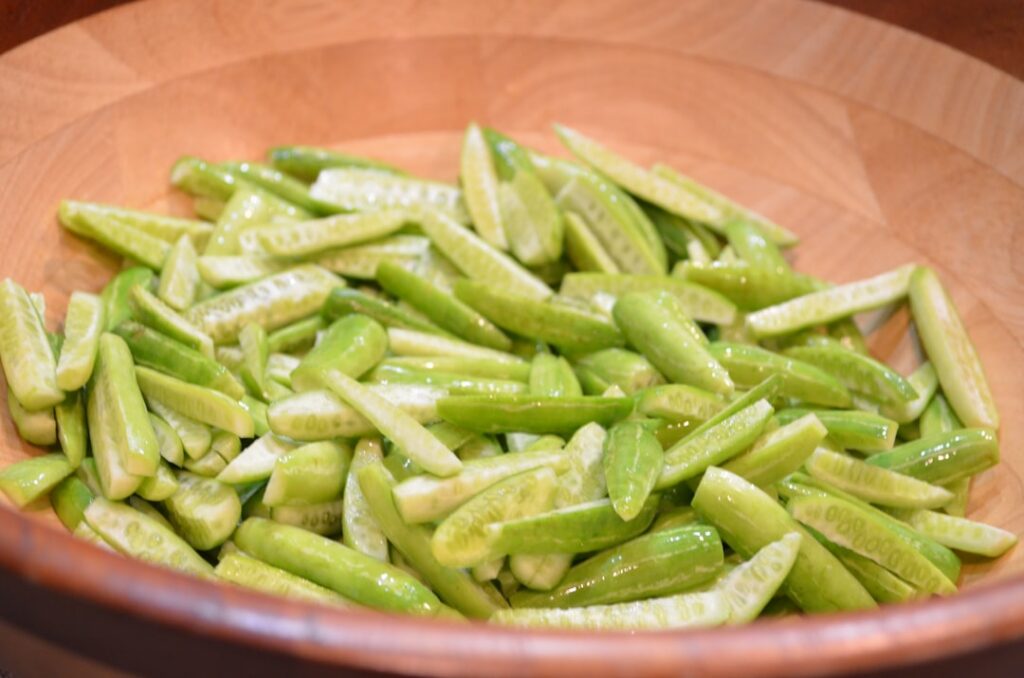
Step-by-Step Instructions: Creating Your Okra Face Gel
Follow these simple steps to make your very own okra face gel recipe:
- Prepare the Okra: Wash the okra pods thoroughly. Trim off both ends and slice them into 1/2-inch thick rounds. The more surface area, the better the mucilage extraction.
- Simmer the Okra: Place the sliced okra in the small saucepan with 1 cup of distilled water. Bring it to a gentle boil, then reduce the heat to low and simmer for about 10-15 minutes. You’ll notice the water becoming thicker and mucilaginous. Stir occasionally.
- Cool and Strain: Remove the saucepan from the heat and let the okra mixture cool down completely. This is crucial for the gel to fully form and to avoid denaturing other ingredients you’ll add later. Once cool, strain the mixture through a fine-mesh sieve or cheesecloth into a clean glass bowl. Press down on the okra to extract as much gel as possible. Discard the solid okra pieces. You should be left with a clear, slightly viscous okra gel.
- Add Remaining Ingredients: To the strained okra gel, add 2 tablespoons of pure aloe vera gel and 1/2 teaspoon of Vitamin E oil. If using, add 2-3 drops of your chosen essential oil.
- Whisk to Combine: Gently whisk all the ingredients together until they are thoroughly combined and the mixture has a uniform, smooth consistency.
- Transfer to Container: Carefully pour or spoon your freshly made homemade skincare gel into your sterilized airtight glass container.
Tips for Better Texture
Achieving the perfect texture for your DIY okra botanical face gel can sometimes take a little trial and error, but these tips can help:
- Don’t Over-Simmer: Simmering for too long can sometimes thin out the gel or reduce the potency of certain compounds. Stick to the 10-15 minute range.
- Cool Completely: Ensure the okra liquid is fully cooled before straining. The gel thickens as it cools.
- Fine Strainer is Key: A very fine-mesh sieve or multiple layers of cheesecloth will ensure a smooth, pulp-free gel. Any lingering small pieces of okra can affect the texture and potentially introduce impurities.
- Adjust Water if Needed: If your gel feels too thick after cooling, you can add a tiny bit more distilled water, one teaspoon at a time, and whisk well. If it’s too thin, you might need to try a smaller amount of water in your next batch or use more okra.
- Gentle Whisking: Whisk gently to combine the ingredients to avoid introducing too much air, which can create bubbles and affect stability.
How to Apply Your Okra Face Gel
Using your natural hydrating gel is easy and enjoyable. Integrate it seamlessly into your daily skincare routine:
- Cleanse: Start with a freshly cleansed face. Use your favorite gentle cleanser to remove any makeup, dirt, and impurities.
- Tone (Optional): If you use a toner, apply it now.
- Apply the Gel: Dispense a small, pea-sized amount of the okra face gel onto your fingertips. Gently dab it onto your face and neck.
- Massage In: Using upward and outward motions, gently massage the gel into your skin until fully absorbed. Pay attention to areas that need extra hydration.
- Follow Up: Once the gel has absorbed (it should feel light and non-sticky), follow up with your preferred serum, facial oil, or moisturizer if desired.
This homemade botanical face gel should feel incredibly soothing and refreshing on your skin.
Morning vs. Evening Use
This versatile DIY facial moisturizer can be incorporated into both your morning and evening routines:
- Morning Use: Apply after cleansing and toning (and before sunscreen). Its lightweight, non-greasy texture makes it an excellent base for makeup. It provides a refreshing boost of hydration that lasts throughout the day, helping your skin stay plump and dewy.
- Evening Use: Apply as part of your nighttime routine after cleansing and toning. It can be used alone or layered under a richer night cream or facial oil for an extra boost of overnight hydration and soothing benefits.
Listen to your skin! You might find it particularly beneficial in the morning for a fresh start, or in the evening to calm and hydrate your skin overnight.
Storage Guide and Shelf Life
Since your homemade skincare gel is made with natural ingredients and without strong synthetic preservatives, proper storage is crucial to maintain its freshness and efficacy.
- Refrigeration is Key: Always store your okra face gel in an airtight glass container in the refrigerator. The cool temperature helps slow down bacterial growth and maintains the gel’s stability.
- Airtight Container: Ensure your container has a tight-fitting lid to prevent air exposure, which can lead to oxidation and contamination. Sterilize your container thoroughly before use.
- Avoid Contamination: Always use clean hands or a clean spatula to scoop out the gel. Dipping fingers directly into the jar can introduce bacteria and shorten its shelf life.
- Shelf Life: Due to its natural composition, your okra beauty recipe typically has a shelf life of about 1 to 2 weeks when stored properly in the refrigerator. If you notice any changes in color, smell, or texture, or if mold appears, it’s time to discard it and make a fresh batch.
Patch Test Instructions
Before introducing any new product, especially a homemade one, to your full face, a patch test is an essential safety step. This helps you identify any potential sensitivities or allergic reactions.
- Choose an Inconspicuous Area: Apply a tiny amount of the DIY okra botanical face gel to a small, discreet area of skin, such as behind your ear or on your inner forearm.
- Observe: Leave the gel on for at least 24 hours. During this time, monitor the area for any signs of irritation, redness, itching, burning, or swelling.
- Proceed with Caution: If you experience any adverse reaction, immediately wash off the gel and discontinue use. If no reaction occurs after 24-48 hours, it’s generally safe to use on your face.
Common Mistakes to Avoid When Making DIY Skincare
While making your own homemade botanical face gel is rewarding, avoiding common pitfalls ensures safety and effectiveness:
- Neglecting Sterilization: Using unsterilized equipment and containers can introduce bacteria, leading to spoilage and potential skin infections. Always sterilize jars and tools.
- Skipping the Patch Test: As mentioned, this is crucial! Even natural ingredients can cause reactions in some individuals.
- Expecting Instant Miracles: Natural skincare supports skin health over time. Be patient and consistent, understanding that results are gradual and focus on improving hydration and overall appearance, not miraculous transformations.
- Ignoring Shelf Life: Homemade products don’t have the long shelf life of commercial ones. Using expired products can be ineffective or even harmful.
- Using Tap Water: Tap water contains minerals and chlorine that can react with ingredients or introduce contaminants. Always use distilled water for DIY skincare.
- Adding Too Many “Active” Ingredients: Keep it simple, especially when starting out. Overloading with too many ingredients can increase the risk of irritation or instability.
- Not Straining Properly: Any remaining pulp can cause inconsistencies in texture and potentially break down faster.
Frequently Asked Questions About Okra Face Gel
Q1: Can I use frozen okra for this recipe?
A: Yes, you can use frozen okra, but fresh is often preferred for optimal mucilage extraction. If using frozen, ensure it’s unseasoned and thaw it completely before slicing and simmering.
Q2: Will this okra face gel recipe make my skin sticky?
A: When made correctly and applied in a small amount, the gel should absorb well and leave your skin feeling hydrated and refreshed, not sticky. Over-applying or not letting it absorb fully might lead to a slightly tacky feel initially.
Q3: Can I add other ingredients like essential oils?
A: Yes, as mentioned, a few drops of skin-safe essential oils like lavender, frankincense, or rosehip can be added for scent and additional benefits. Always research essential oil safety, dilute properly, and perform a patch test. For beginners, it’s best to start without them to isolate the effects of the core ingredients.
Q4: Is this DIY okra skincare suitable for all skin types?
A: Generally, yes! Okra and aloe vera are known for being gentle and hydrating. However, individual sensitivities vary, which is why a patch test is always recommended. It’s particularly great for those seeking natural hydration for normal, dry, combination, or sensitive skin.
Q5: How often should I use the homemade botanical face gel?
A: You can use it once or twice daily, in your morning and/or evening skincare routine, as a hydrating step after cleansing and before heavier moisturizers. Consistency is key for best results.
Q6: Can I use this gel around my eyes?
A: Yes, its gentle formulation typically makes it safe for the delicate skin around the eyes. However, apply with extra care, avoiding direct contact with the eyes, and perform a patch test on a small area near the eye first.
Q7: What if my gel doesn’t get thick enough?
A: Ensure you’re using enough okra relative to the water, that you’ve simmered it for the full duration, and that it has cooled completely. Also, make sure you’re pressing the okra firmly during straining to extract all the mucilage. If it’s still too thin, you can try reducing the amount of water slightly in your next batch.
Q8: Can this gel replace my regular moisturizer?
A: For some with very oily skin, it might be sufficient, especially in humid climates. However, for most skin types, particularly dry or mature skin, this natural hydrating gel works best as a hydrating serum layer beneath a more occlusive moisturizer to lock in the benefits and provide richer nourishment.
Q9: Will this homemade skincare gel help with acne?
A: While not an acne treatment, the soothing and hydrating properties of okra and aloe vera can help calm irritated skin and support a healthy skin barrier, which is beneficial for acne-prone skin. It won’t directly clear breakouts but can create a healthier environment for your skin.
Embrace Your Natural Glow with Okra!
Discovering your natural glow doesn’t have to be complicated or expensive. With this DIY Okra Botanical Face Gel, you have a simple, practical, and incredibly effective way to infuse your skincare routine with nature’s goodness. Embrace the power of plant polysaccharides, antioxidants, and pure hydration to keep your skin looking and feeling its best. Remember, consistent care and healthy habits are the true secrets to radiant, refreshed skin. Give this okra beauty recipe a try and let your natural beauty shine!
Join the Healthy Roots community and share your homemade skincare journey! For more healthy recipes and natural wellness tips, follow us on social media.