Unlock Your Potential: The Power Trio for Muscle Growth
Ready to sculpt a stronger, more resilient you? Building and maintaining muscle isn’t just about hitting the weights; it’s a dynamic interplay between three crucial pillars: proper nutrition, consistent resistance training, and adequate recovery. Neglect any one, and your progress will plateau. At Remedies Wellness, we believe in a holistic approach, empowering you with the knowledge and practical strategies to achieve your fitness goals sustainably.
Today, we’re diving deep into the cornerstone of muscle development: nutrition. Specifically, we’re exploring the incredible foods that fuel your strength, enhance recovery, and help you unlock your full potential. Forget quick fixes; we’re talking about real, whole foods that provide the building blocks your body craves.
Essential Muscle-Building Foods: Your Plate, Your Powerhouse
Let’s explore some of the top contenders that deserve a starring role in your muscle-building diet. Each of these foods offers a unique combination of protein, amino acids, vitamins, and minerals vital for growth and recovery.
1. Eggs: The Perfect Protein Package
Often called nature’s multivitamin, eggs are a staple in any muscle-building diet. They’re affordable, versatile, and packed with nutrients.
- Protein Content: A single large egg provides about 6 grams of high-quality protein.
- Amino Acids: Eggs are a complete protein source, meaning they contain all nine essential amino acids necessary for muscle protein synthesis, including a significant amount of leucine, a key trigger for muscle growth.
- Vitamins and Minerals: Rich in B vitamins (B2, B6, B12, folate, biotin), choline (crucial for brain health and fat metabolism), selenium, and vitamin D.
- Muscle Recovery Benefits: The complete amino acid profile supports rapid muscle repair and growth after workouts. Choline aids in nervous system function, impacting muscle contraction and recovery.
- How to Cook It: Extremely versatile! Boiled, scrambled, poached, fried, or in an omelet.
- Best Serving Size: 2-3 eggs per meal is common for many active individuals, depending on overall protein goals.
- When to Eat It: Excellent for breakfast to kickstart protein intake, as a post-workout meal, or as a quick snack anytime.
2. Salmon: Omega-3 Power for Muscle & Health
This fatty fish is a nutritional powerhouse, offering much more than just protein.
- Protein Content: A 3-ounce (85-gram) serving of cooked salmon typically contains around 22 grams of high-quality protein.
- Amino Acids: Like eggs, salmon provides a complete amino acid profile, essential for muscle repair and growth.
- Vitamins and Minerals: Abundant in omega-3 fatty acids (EPA and DHA), vitamin D, B vitamins (B3, B6, B12), and selenium.
- Muscle Recovery Benefits: Omega-3s are powerful anti-inflammatory agents, reducing muscle soreness and speeding up recovery. Vitamin D plays a role in muscle function and strength.
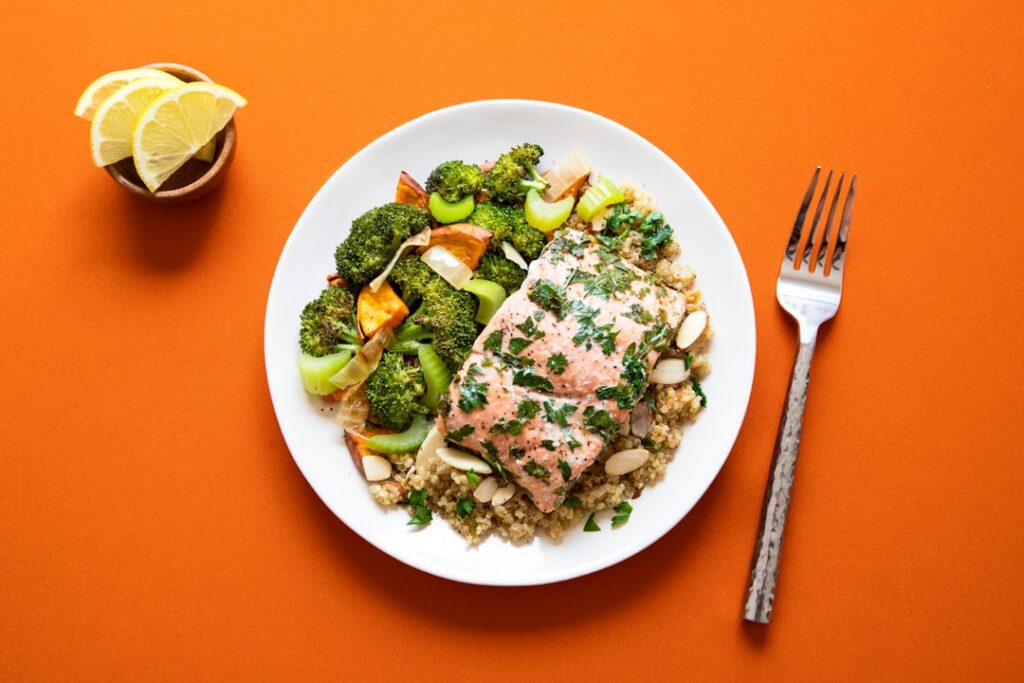
- How to Cook It: Baked, grilled, pan-seared, or roasted. Pairs well with herbs and lemon.
- Best Serving Size: 3-5 ounces (85-140 grams) per meal, 2-3 times a week.
- When to Eat It: Great for lunch or dinner, providing sustained protein and healthy fats.
3. Shrimp: Lean & Quick Protein Boost
Shrimp offers a low-calorie, high-protein option that’s incredibly quick to prepare.
- Protein Content: A 3-ounce (85-gram) serving of cooked shrimp provides approximately 20-22 grams of lean protein.
- Amino Acids: A complete protein, providing all essential amino acids for muscle synthesis.
- Vitamins and Minerals: Rich in iodine, selenium, vitamin B12, phosphorus, and zinc.
- Muscle Recovery Benefits: High protein content supports muscle repair. Selenium acts as an antioxidant, combating exercise-induced oxidative stress.
- How to Cook It: Sautéed, grilled, boiled, or baked. Cooks in just a few minutes.
- Best Serving Size: 3-5 ounces (85-140 grams) per meal.
- When to Eat It: Excellent for quick meals, salads, stir-fries, or as an appetizer.
4. Chicken Breast: The Classic Muscle Builder
A perennial favorite, chicken breast is renowned for its lean protein content and versatility.
- Protein Content: A 3-ounce (85-gram) cooked chicken breast contains about 26 grams of high-quality protein.
- Amino Acids: A complete protein source, crucial for muscle repair and hypertrophy.
- Vitamins and Minerals: Good source of niacin (B3), vitamin B6, phosphorus, and selenium.
- Muscle Recovery Benefits: High protein helps with tissue repair and growth. B vitamins are vital for energy metabolism, which supports overall recovery.
- How to Cook It: Baked, grilled, pan-fried, roasted, or shredded for salads and sandwiches.
- Best Serving Size: 3-6 ounces (85-170 grams) per meal, depending on individual protein needs.
- When to Eat It: A versatile option for any meal – breakfast scrambles, lunch salads, dinner stir-fries, or post-workout fuel.
5. Beans (e.g., Black Beans, Kidney Beans): Plant-Powered Protein & Fiber
For plant-based athletes or anyone looking to diversify their protein sources, beans are indispensable.
- Protein Content: One cup of cooked black beans offers about 15 grams of protein, while kidney beans provide around 16 grams.
- Amino Acids: While not complete proteins on their own (often low in methionine), they become complete when combined with grains like rice over the course of the day.
- Vitamins and Minerals: Excellent source of fiber, iron, magnesium, folate, potassium, and B vitamins.
- Muscle Recovery Benefits: Provide sustained energy from complex carbohydrates, essential for fueling workouts and replenishing glycogen stores. Fiber aids digestion and overall gut health.
- How to Cook It: Can be used in chilis, soups, stews, salads, burritos, or as a side dish. Canned beans are convenient; just rinse thoroughly.
- Best Serving Size: 1/2 to 1 cup cooked per meal.
- When to Eat It: Great as a hearty lunch or dinner component, especially pre-workout for long-lasting energy.
6. Chickpeas: Versatile Legume for Plant-Based Gains
Another fantastic legume, chickpeas (garbanzo beans) are incredibly versatile and nutritious.
- Protein Content: One cup of cooked chickpeas contains about 15 grams of protein.
- Amino Acids: Similar to other beans, they are generally low in methionine but can be combined with other plant-based proteins or grains to form a complete amino acid profile.
- Vitamins and Minerals: Rich in fiber, folate, manganese, iron, and phosphorus.
- Muscle Recovery Benefits: Offer complex carbohydrates for energy, aiding in sustained performance and recovery. Fiber supports digestive health.
- How to Cook It: Roasted as a crunchy snack, blended into hummus, added to salads, curries, or stews.
- Best Serving Size: 1/2 to 1 cup cooked per meal.
- When to Eat It: Excellent for snacks, lunch, or dinner, providing both protein and complex carbs.
Deep Dive into Muscle Nutrition: What You Need to Know
Building muscle is a science, and understanding the foundational principles of nutrition will give you a significant edge.
Daily Protein Requirements: How Much Is Enough?
For individuals engaged in regular resistance training, protein needs are higher than for sedentary people. General guidelines suggest aiming for 1.6 to 2.2 grams of protein per kilogram of body weight (or 0.7 to 1 gram per pound) daily. For example, a 150-pound individual might aim for 105-150 grams of protein per day. Distributing this intake evenly throughout the day (e.g., 20-40g per meal) is more effective than consuming it all in one sitting.
Animal vs. Plant Protein: Understanding the Differences
Both animal and plant proteins can contribute to muscle growth. The primary difference lies in their amino acid profiles and bioavailability.
- Animal Proteins: (meat, poultry, fish, eggs, dairy) are typically ‘complete proteins,’ meaning they contain all nine essential amino acids in sufficient quantities. They also tend to be highly bioavailable.
- Plant Proteins: (beans, lentils, nuts, seeds, grains) are often ‘incomplete,’ meaning they may be low in one or more essential amino acids. However, by consuming a variety of plant proteins throughout the day (e.g., rice and beans, peanut butter on whole-wheat bread), plant-based individuals can easily get all essential amino acids. Many plant-based options like soy, quinoa, and hemp seeds are also complete proteins.
The key is to ensure overall daily protein intake is met with a diverse range of sources.
Protein Timing: When to Fuel Your Muscles
While the