Visualizing Your Protein: What 100g REALLY Looks Like!
Protein is a vital macronutrient, playing a crucial role in almost every bodily function, from building and repairing tissues to making enzymes and hormones. While we often hear recommendations for daily protein intake, it can be challenging to truly grasp how much food it takes to reach specific protein goals. How much chicken breast, lentils, or yogurt do you actually need to consume to hit, say, 100 grams of protein?
This insightful guide from Wellness Daily aims to make understanding your protein intake simpler and more tangible. We’ll explore various diverse protein sources, both animal and plant-based, to show you what 100g of protein *really* looks like on your plate. Get ready to visualize your nutrition!
Why Is Protein So Important?
Before we dive into the visuals, let’s quickly recap why protein deserves a starring role in your diet:
- Muscle Repair and Growth: Essential for repairing muscle tissues after exercise and for building new muscle.
- Satiety: Protein helps you feel fuller for longer, which may support healthy weight management by reducing overall calorie intake.
- Bone Health: Adequate protein intake is associated with maintaining strong bones as you age.
- Enzymes and Hormones: Proteins are the building blocks for many enzymes, hormones, and other body chemicals.
- Immune Function: Antibodies, crucial for fighting infections, are made from protein.
Understanding the quantity of protein in different foods can empower you to make more informed dietary choices, whether you’re aiming for muscle gain, weight management, or overall wellness.
The 100g Protein Challenge: Different Foods, Different Quantities
Reaching 100 grams of protein in a day might seem like a lot, and for some sources, it certainly means a substantial portion of food! Here’s a visual breakdown of what 100g of protein approximately looks like from various popular sources. Remember, exact protein content can vary slightly based on cooking methods and specific product brands.
Animal-Based Protein Sources
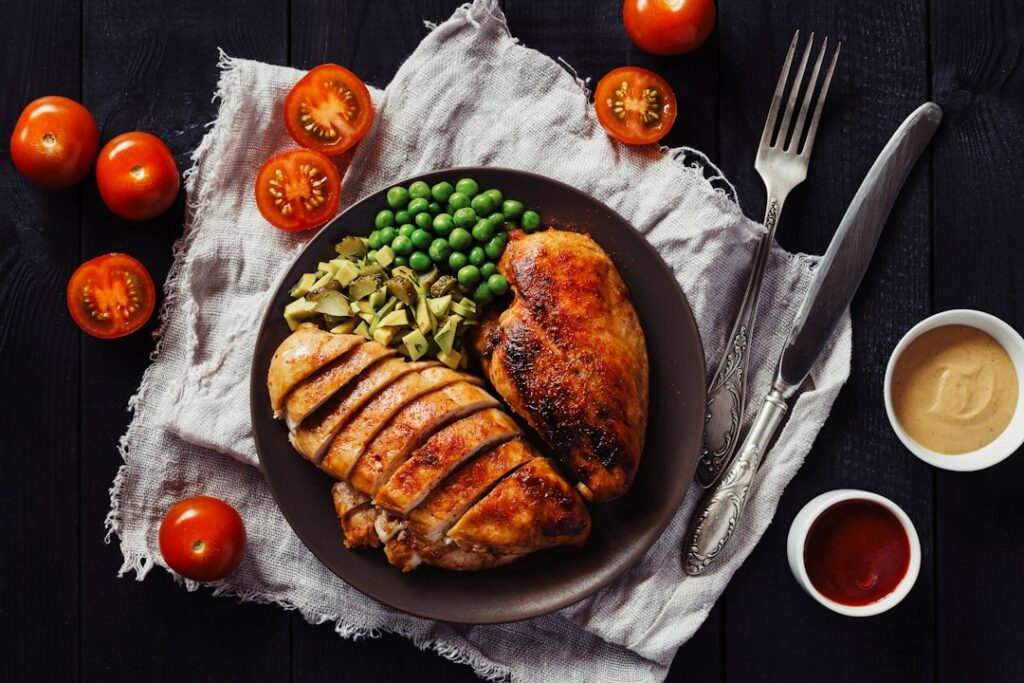
- Chicken Breast: To get 100g of protein, you’d typically need around 320-330 grams (about 11-12 ounces) of cooked, boneless, skinless chicken breast. That’s a considerable amount, often spread across multiple meals!
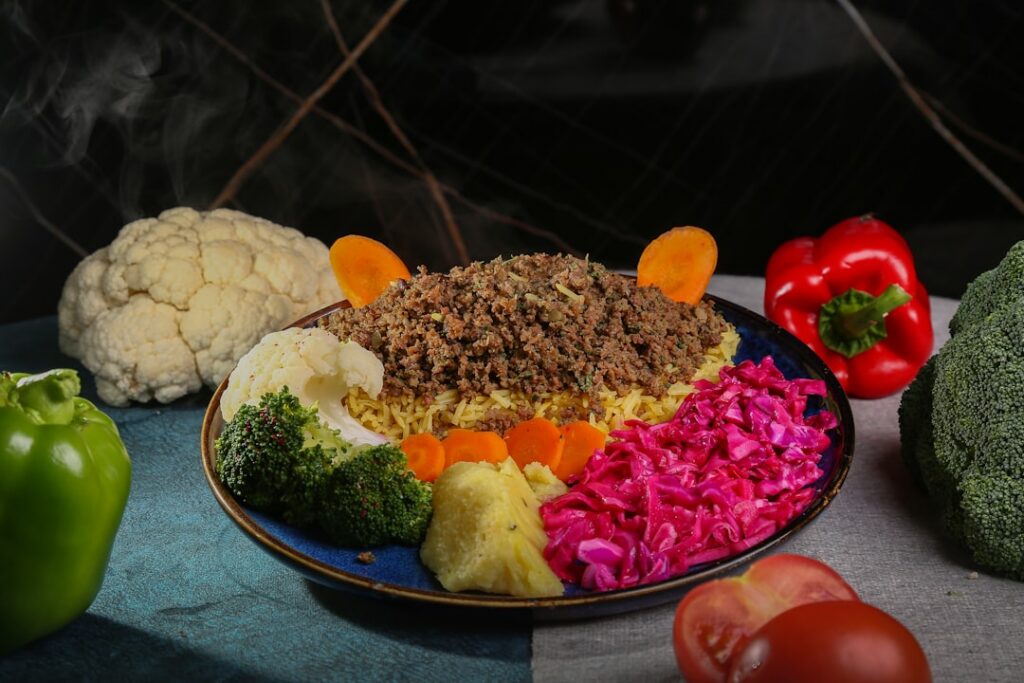
- Lean Ground Beef / Steak: For 100g of protein, you’re looking at roughly 350-400 grams (12-14 ounces) of cooked lean beef.
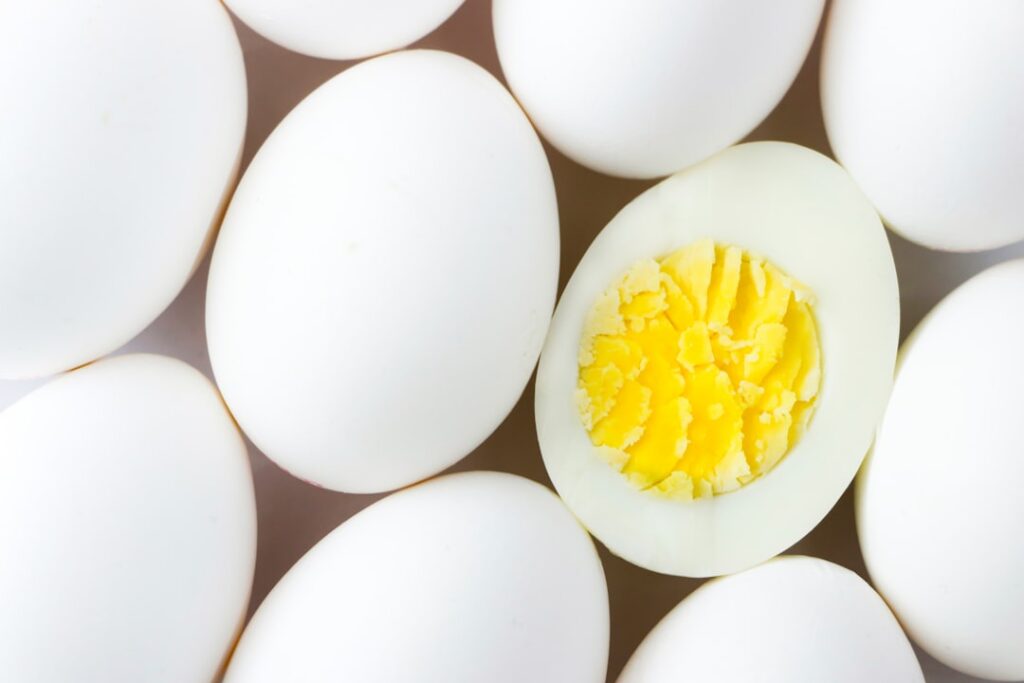
- Eggs: Each large egg contains about 6 grams of protein. To reach 100g of protein, you would need approximately 16-17 large eggs. This shows how quickly protein adds up, but also how much volume is involved for certain foods.

- Greek Yogurt (Plain, Non-fat): With about 10 grams of protein per 100 grams of yogurt, you’d need roughly 1 kilogram (1000g or 2.2 lbs) of Greek yogurt to hit 100g of protein.
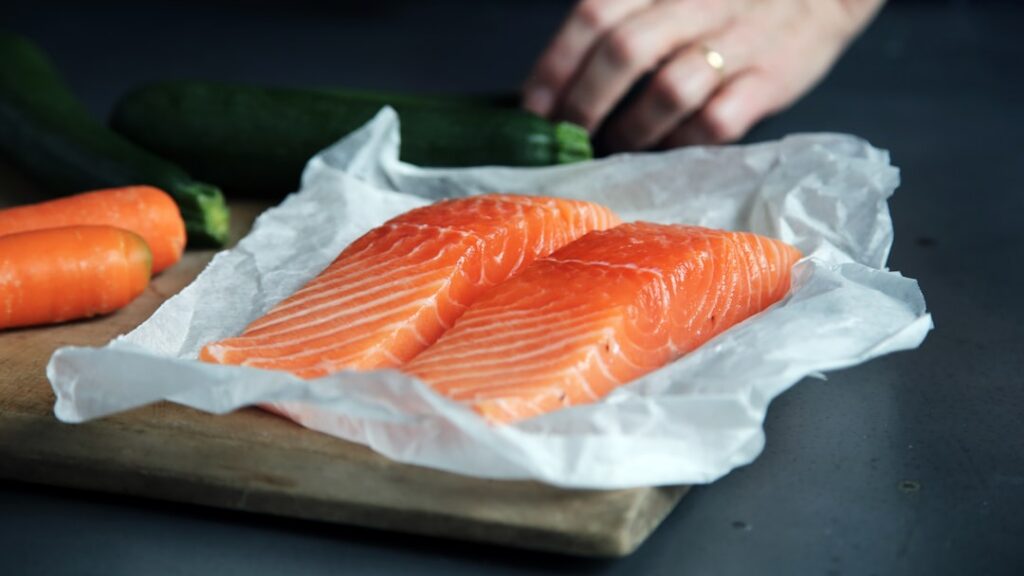
- Fish (e.g., Salmon): Salmon contains about 22-25 grams of protein per 100 grams. To get 100g of protein, you’d need approximately 400-450 grams (14-16 ounces) of cooked salmon.
Plant-Based Protein Sources
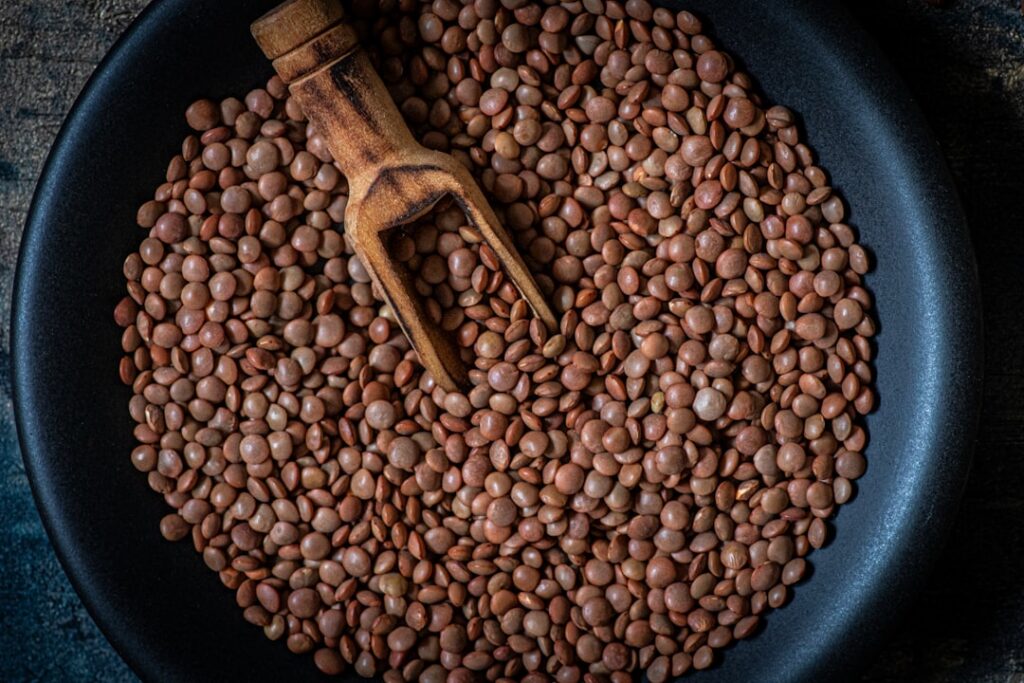
- Lentils/Beans (cooked): Cooked lentils offer about 9 grams of protein per 100 grams. Achieving 100g of protein would require a very large portion – around 1.1 kilograms (1100g or 2.4 lbs) of cooked lentils. This highlights the importance of combining various plant sources.
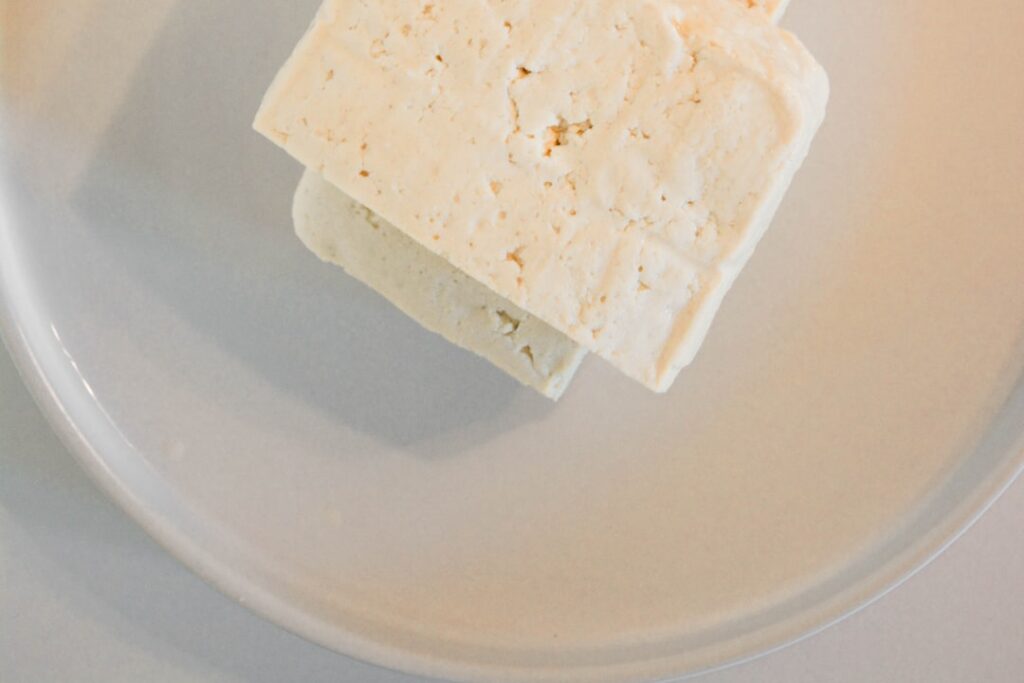
- Tofu (Firm): Firm tofu contains about 8-10 grams of protein per 100 grams. For 100g of protein, you would need approximately 1 to 1.25 kilograms (2.2-2.7 lbs) of tofu.
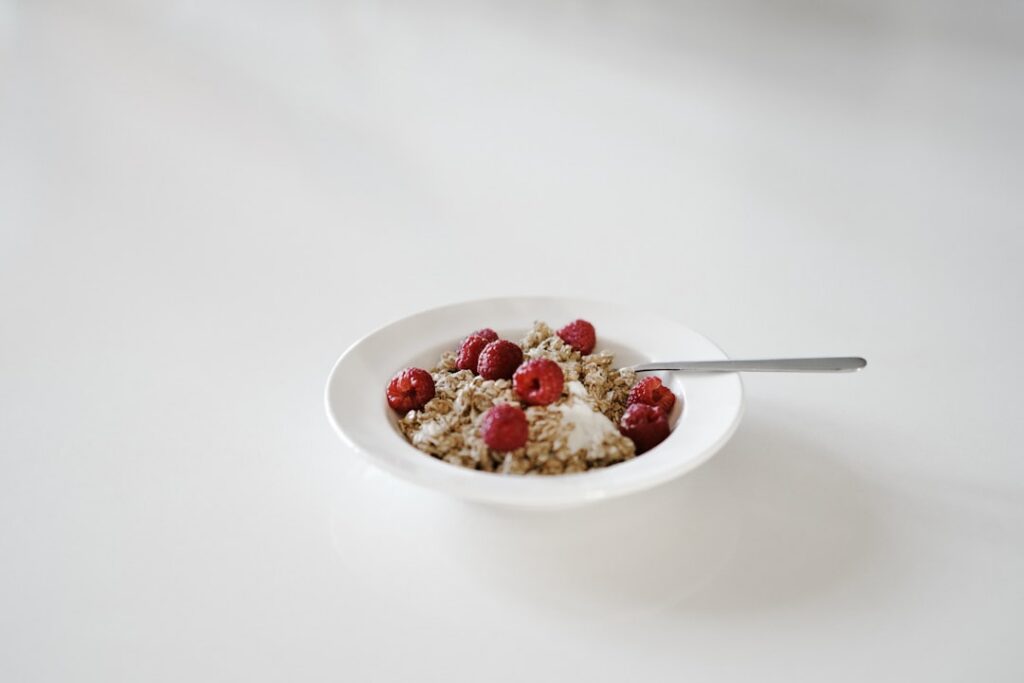
- Quinoa (cooked): While a complete protein, cooked quinoa has about 4 grams of protein per 100 grams. To hit 100g, you’d need about 2.5 kilograms (5.5 lbs) of cooked quinoa, making it more of a complementary protein source for high targets rather than a primary one.
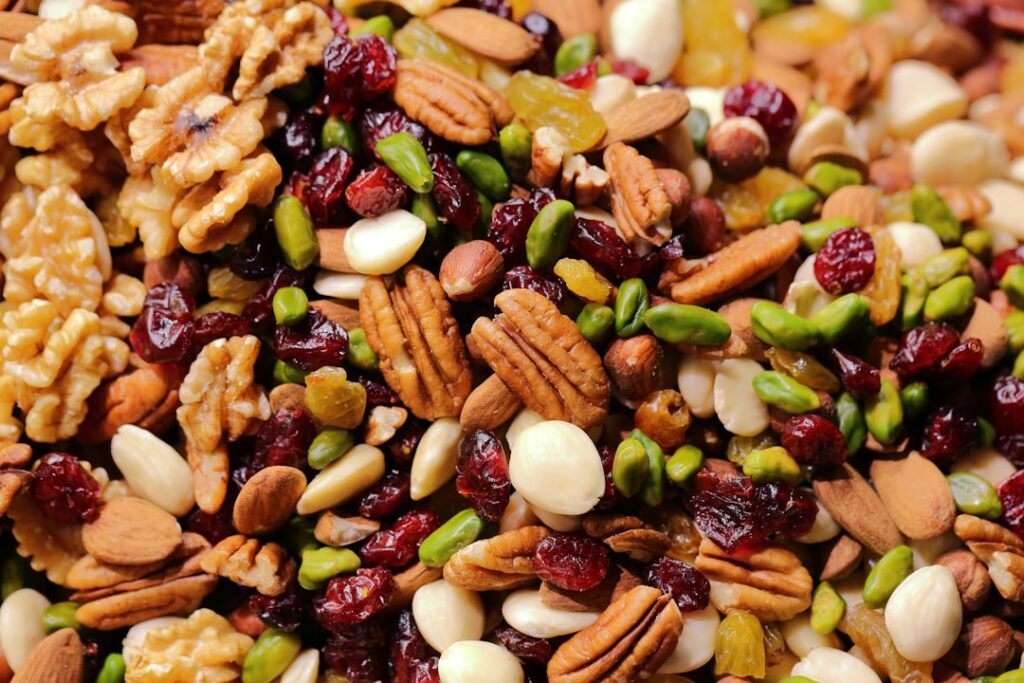
- Nuts & Seeds: Protein content varies greatly, but on average, nuts and seeds provide around 15-25 grams of protein per 100 grams. To get 100g of protein, you’d typically need 400-650 grams (14-23 ounces) of nuts and seeds, which is also very calorie-dense and a large volume!
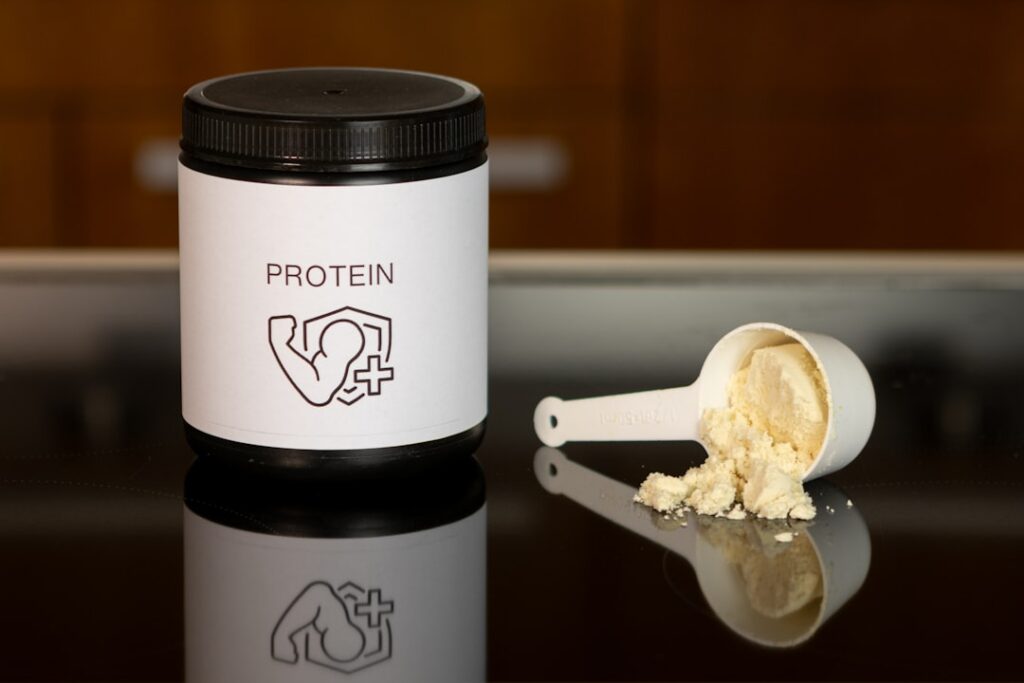
- Protein Powder: Depending on the brand and type, one scoop (about 25-30g) of protein powder usually delivers 20-25 grams of protein. So, approximately 4-5 scoops throughout the day could help you reach 100g of protein with less food volume.
Key Takeaways for Smart Protein Intake
As you can see, hitting a high protein target like 100g requires significant portions of food, and the volume varies dramatically between sources. Here are some key takeaways:
- Variety is Key: Relying on just one source for all your protein can be challenging. A diverse diet ensures you get a wide range of nutrients and makes reaching your goals more enjoyable.
- Portion Sizes Matter: Be mindful of how much food you’re actually consuming. A food scale or measuring cups can be helpful tools.
- Combine Sources: Mix animal and plant proteins, or combine different plant proteins, to ensure you’re getting all essential amino acids and to manage the volume.
- Calorie Density: While some foods are protein-dense, they can also be calorie-dense (like nuts and seeds). Balance your choices according to your overall dietary needs.
Tips for Meeting Your Protein Goals
If you’re aiming for a higher protein intake, here are some practical tips:
- Start Your Day with Protein: Incorporate protein into breakfast with eggs, Greek yogurt, or a protein smoothie.
- Include Protein at Every Meal: Aim for a protein source in each main meal and even in snacks.
- Smart Snacking: Opt for protein-rich snacks like a handful of almonds, cottage cheese, or a hard-boiled egg.
- Plan Ahead: Meal prepping can help ensure you have protein-packed options readily available.
- Consider Supplements: If meeting your protein goals through whole foods alone is a struggle, a protein powder supplement may help support your intake.
Final Thoughts
Understanding what 100g of protein looks like from various food sources can be a real eye-opener. It highlights that while protein is essential, reaching higher targets often means conscious food choices and larger portions of specific foods. Remember, these visualizations are for educational purposes to help you better understand food quantities. Always aim for a balanced diet rich in whole foods, and if you have specific dietary concerns or health conditions, please consult with a healthcare professional or a registered dietitian for personalized advice.
Which protein source on this list surprised you the most with its quantity for 100g of protein? Share your thoughts in the comments!