Are you looking to fuel your body effectively and support your health goals? Protein is an essential macronutrient that plays a vital role in nearly every bodily function. From building and repairing tissues to producing enzymes and hormones, getting enough protein is crucial for overall well-being. But with so many options, how do you know which foods are the true ‘protein powerhouses’? Let’s dive into a comprehensive guide to help you make smart, protein-rich choices!
Understanding the best sources of protein can help you feel more energized, support muscle health, and manage your weight more effectively. Whether you’re an athlete, a busy professional, or simply aiming for a healthier lifestyle, incorporating these nutrient-dense foods into your diet can make a significant difference.
What is Protein and Why Do We Need It?
Protein is often called the building block of life. It’s made up of amino acids, some of which our bodies can produce, and others, known as essential amino acids, which we must obtain through our diet. Protein is essential for:
- Muscle Growth and Repair: Crucial for maintaining and building muscle mass, especially after exercise.
- Satiety and Weight Management: Protein helps you feel fuller for longer, which can reduce overall calorie intake and support healthy weight management.
- Bone Health: Adequate protein intake is associated with stronger bones.
- Enzyme and Hormone Production: Many enzymes and hormones, vital for countless bodily processes, are made from protein.
- Immune Function: Antibodies, which fight off infections, are proteins.
Top Protein Powerhouses to Include in Your Diet
Let’s explore some of the best protein sources that can easily be incorporated into your meals:
Lean Meats and Poultry
When it comes to animal-based protein, lean meats and poultry are often top contenders. They offer a complete protein profile, meaning they contain all nine essential amino acids.
- Chicken Breast: A classic lean protein, versatile and low in fat. Great for grilling, baking, or adding to salads.
- Turkey: Similar to chicken, turkey is another excellent lean choice, especially popular in ground form or as a breast.
- Lean Beef: Cuts like sirloin, flank steak, or lean ground beef provide not only protein but also essential nutrients like iron and zinc.
- Pork Loin: A surprisingly lean option, pork loin can be a delicious and protein-rich addition to your meals.
Fish and Seafood
Fish and seafood offer a fantastic combination of high-quality protein and beneficial fats, especially omega-3 fatty acids, which are great for heart and brain health.
- Salmon: Rich in protein and omega-3s, salmon is a nutritional superstar.
- Tuna: Whether fresh or canned, tuna is a convenient and protein-packed option.
- Cod and Tilapia: These white fish varieties are very lean and offer a mild flavor, making them versatile for various dishes.
- Shrimp: Low in calories and high in protein, shrimp is a quick and easy seafood choice.
Eggs and Dairy
Often pantry staples, eggs and dairy products are incredibly versatile and packed with protein.
- Eggs: Affordably priced and incredibly nutritious, eggs are a complete protein source. One large egg provides about 6 grams of protein.
- Greek Yogurt: Compared to regular yogurt, Greek yogurt is strained, resulting in a thicker texture and a significantly higher protein content.
- Cottage Cheese: A creamy, protein-rich dairy product that’s excellent on its own, with fruit, or as an ingredient in savory dishes.
- Milk: A good source of protein, calcium, and vitamin D.
Legumes
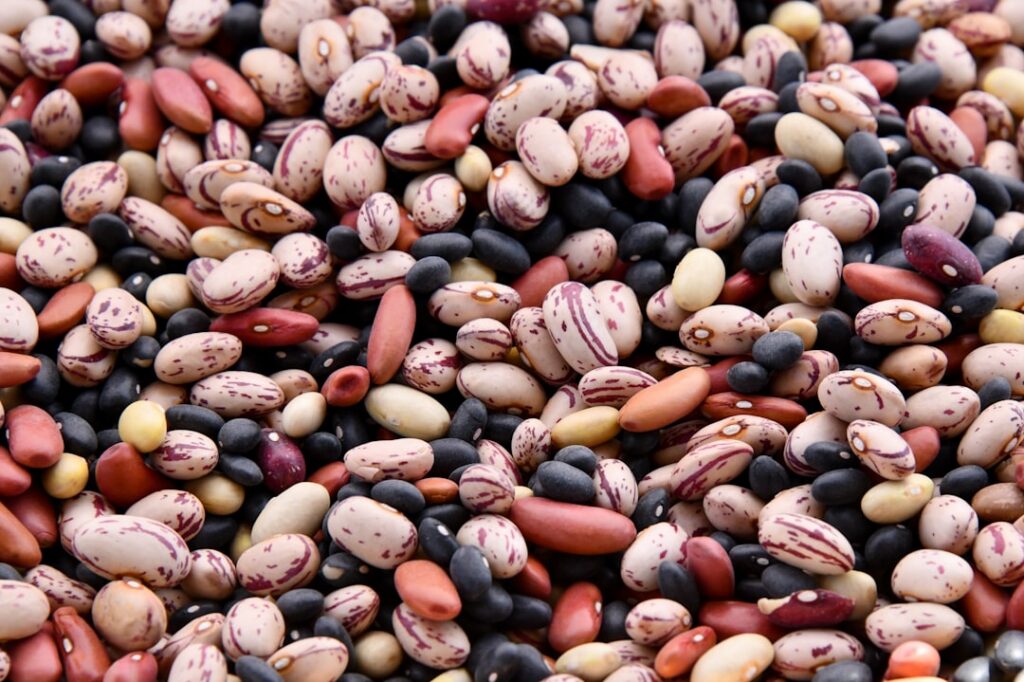
For those following a plant-based diet or looking to reduce meat consumption, legumes are invaluable protein powerhouses. They also provide fiber, which aids digestion and promotes satiety.
- Lentils: Quick to cook and very versatile, lentils are great in soups, stews, and salads.
- Chickpeas (Garbanzo Beans): Perfect for hummus, roasted snacks, or added to curries and salads.
- Black Beans: A staple in many cuisines, black beans are delicious in tacos, bowls, and chilis.
- Kidney Beans: Often used in chili and salads, kidney beans are another excellent source.
Nuts and Seeds
These tiny powerhouses are not only rich in protein but also healthy fats, fiber, and micronutrients. They make excellent snacks or additions to meals.
- Almonds: A popular snack, almonds offer protein, fiber, and vitamin E.
- Peanuts: Technically a legume, peanuts are nutritionally similar to nuts and are a great source of protein.
- Chia Seeds: These tiny seeds are packed with protein, fiber, and omega-3s. Try them in puddings or smoothies.
- Flax Seeds: Similar to chia, flax seeds offer protein, fiber, and omega-3s, often used ground.
- Pumpkin Seeds: Great for snacking or sprinkling on salads for an extra protein boost.
Whole Grains and Plant-Based Alternatives
Some whole grains and plant-based products also contribute significantly to your daily protein intake.
- Quinoa: Unique among grains, quinoa is a complete protein, making it an excellent choice for vegetarians and vegans.
- Oats: While not as high in protein as some other sources, oats still offer a decent amount, especially when combined with other protein-rich toppings.
- Tofu and Tempeh: Made from soybeans, these versatile plant-based proteins can absorb flavors well and are great in stir-fries, scrambles, and more.
- Edamame: Whole, immature soybeans that can be steamed and enjoyed as a snack or in salads.
How Much Protein Do You Really Need?
The recommended dietary allowance (RDA) for protein is 0.8 grams per kilogram of body weight per day for the average healthy adult. However, individual needs can vary greatly based on factors like age, activity level, and health goals. Athletes, older adults, and those trying to lose weight may benefit from higher protein intake, often ranging from 1.2 to 2.0 grams per kilogram of body weight.
It’s always a good idea to consult with a healthcare professional or a registered dietitian to determine your specific protein needs.
Tips for Boosting Your Daily Protein Intake
Incorporating more protein into your diet doesn’t have to be complicated. Here are some simple strategies:
- Start with Protein: Begin your day with a protein-rich breakfast like eggs, Greek yogurt, or a protein smoothie.
- Snack Smart: Opt for protein-packed snacks such as a handful of almonds, a hard-boiled egg, or cottage cheese.
- Add Legumes: Include beans or lentils in soups, salads, and stews.
- Choose Lean Cuts: When eating meat, select leaner cuts and remove visible fat.
- Vary Your Sources: Don’t rely on just one type of protein. Mix and match animal and plant-based sources for a broader nutrient profile.
- Consider Protein Powder: If struggling to meet your needs through whole foods, a high-quality protein powder can be a convenient supplement, but always prioritize whole food sources first.
Embrace Your Protein Journey!
Boosting your diet with these protein powerhouses is an excellent way to support your energy levels, muscle health, and overall wellness. By making conscious choices and incorporating a variety of these foods into your meals, you’ll be well on your way to a stronger, healthier you.
Remember, this information is for educational purposes only and should not be considered medical advice. Always consult with a healthcare professional before making significant changes to your diet or if you have any specific health concerns.